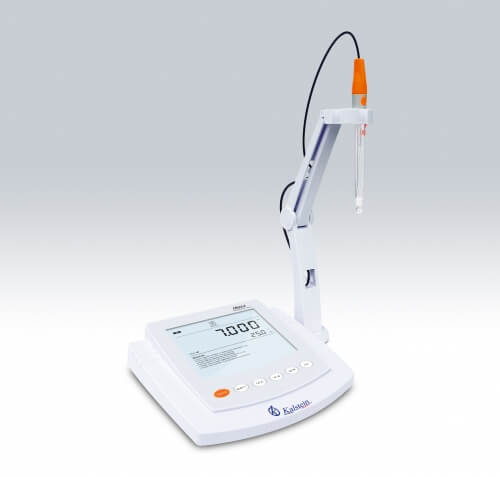
Ensuring ISO/IEC Compliance in Laboratory Practices: A Focus on Table Conductivity Controllers
Laboratories are increasingly required to operate under ISO/IEC standards to ensure quality, reliability, and safety in their testing processes. In this article, we will delve into how table conductivity controllers contribute to meeting these norms, highlighting critical standards like ISO 17025 and IEC 61010, and providing a comparison of various models to help professionals make informed decisions.
Understanding ISO/IEC Standards and Their Importance
ISO/IEC standards provide a framework for quality management and technical requirements that laboratories must follow. ISO 17025, for example, specifies the general requirements for the competence of testing and calibration laboratories. Compliance with these standards not only enhances the credibility of the laboratory but also ensures that its results are reliable and valid.
ISO 17025 and Its Relevance to Conductivity Testing
ISO 17025 mandates that laboratories demonstrate their ability to produce valid results, which is essential for testing procedures involving conductivity measurements. It requires rigorous calibration processes, adequate documentation of test results, and proper maintenance of equipment. Table conductivity controllers must be calibrated regularly to ensure compliance with these standards, making the choice of model crucial for a laboratory's success.
The Role of Table Conductivity Controllers in Regulatory Compliance
Table conductivity controllers are designed to measure the electrical conductivity of liquids, which is a critical parameter in many laboratory applications. These devices must comply with various regulatory requirements, as they play a significant role in quality control and assurance. Models equipped with automatic calibration and temperature compensation features can help labs meet ISO/IEC requirements more effectively.
Key Features to Look for in a Table Conductivity Controller
When selecting a table conductivity controller, several features are essential for compliance with ISO/IEC standards:
- Automatic Calibration: Ensures precision and reduces human error during the calibration process.
- Temperature Compensation: Adjusts readings based on temperature variations, crucial for accurate conductivity measurements.
- Data Management: Features like USB connectivity and data storage capabilities help in maintaining records for compliance audits.
Comparison of Available Models
| Model | ISO/IEC Clauses Covered | Traceability Features | Best For |
|---|---|---|---|
| YR01836-1 | ISO 17025 | Automatic calibration with standards | Multifunctional testing |
| YR01836 | IEC 61010 | USB data transfer for compliance | High-volume laboratories |
| YR01829-1 | ISO 17025 | Temperature compensation | Routine testing |
| YR01829-2 | IEC 61010 | Data logging capabilities | Quality control |
| YR01829 | ISO 15189 | Real-time data transfer | Research labs |
| YR01828 | ISO 17025 | Calibration traceability | Environmental testing |
Common Mistakes and How to Avoid Them
Laboratory professionals often overlook crucial aspects of ISO/IEC compliance when using table conductivity controllers. Common mistakes include inadequate calibration procedures, failing to maintain up-to-date records, and neglecting the importance of equipment maintenance. To avoid these pitfalls, it is recommended to establish a routine calibration schedule, utilize models with built-in data management features, and ensure that all procedures align with relevant standards.
Frequently Asked Questions
What are the ISO/IEC compliance requirements for table conductivity controllers?
ISO/IEC compliance requires that table conductivity controllers meet specific calibration and traceability standards. Models like YR01836-1 provide automatic calibration and traceability through standardized protocols, ensuring adherence to ISO 17025.
How often should calibration be performed on conductivity meters for compliance?
Calibration frequency can vary based on usage and laboratory requirements, but it is generally recommended to calibrate table conductivity controllers like YR01829 every month or after significant use, in line with ISO 17025 standards.
Which table conductivity controller is best for routine testing in a laboratory?
The YR01829-1 model is highly suitable for routine testing due to its automatic calibration and temperature compensation features, ensuring compliance with ISO 17025 mandates.
How do conductivity controllers help ensure reliable testing results?
Conductivity controllers ensure reliable testing results by providing accurate and consistent measurements through features like automatic calibration and temperature compensation. The YR01836 model, for instance, is designed to meet IEC 61010 standards, enhancing reliability.
What documentation is needed for ISO 17025 compliance with conductivity testing?
Documentation for ISO 17025 compliance should include calibration records, maintenance logs, and test results. Using a model like YR01836 ensures that data can be easily stored and retrieved for audits and compliance checks.
Which features enhance the usability of table conductivity controllers in labs?
Features such as USB connectivity, automatic calibration, and temperature compensation significantly enhance usability in labs. For example, the YR01829 model offers robust data management options critical for compliance with ISO standards.
What impact does temperature have on conductivity measurements?
Temperature can significantly affect conductivity measurements, making automatic temperature compensation critical. Models like YR01828 adjust readings based on temperature, ensuring accuracy in compliance with ISO standards.
How can I ensure my laboratory meets ISO standards when using conductivity meters?
To ensure compliance with ISO standards, laboratories should select conductivity meters that offer robust calibration and traceability features, such as the YR01836-1, and adhere to regular maintenance and documentation practices.
If you are looking for a fusion of innovation and quality, you have come to the right place. At Kalstein, we offer you the luxury of exploring our exclusive catalog of laboratory equipment. We manufacture every device to the highest standards of excellence. Our intuitive and seamless online purchasing channels are designed for your convenience, securing the most competitive prices. Hesitate no longer — we bring science to life, it is time to become part of our community.