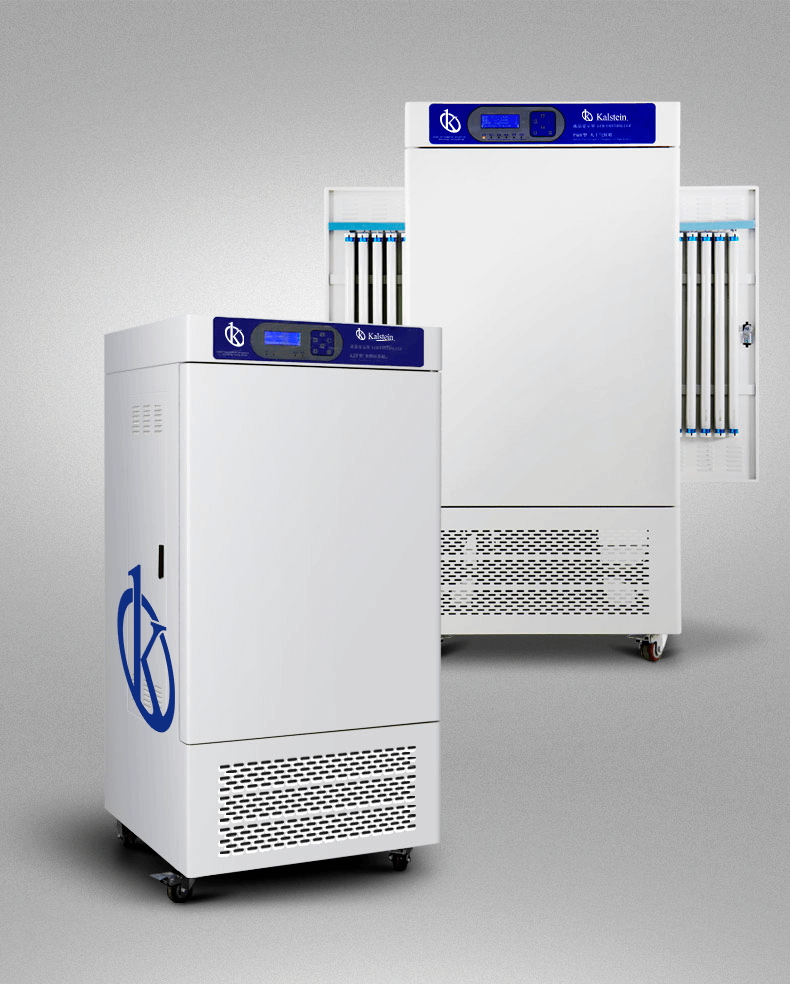
Environmental Chambers: Applications and Techniques in 2026
Environmental chambers are vital tools in laboratory settings, designed to simulate various environmental conditions such as temperature, humidity, and light. In 2026, they are increasingly utilized across a range of scientific disciplines, providing essential support for research and product development.
What is it used for in 2026
In 2026, environmental chambers are used primarily for biological, agricultural, and environmental research. They allow scientists to replicate specific conditions that organisms or products might experience in real-world environments. This capability is crucial for various applications, including:
- Biological Research: Studying growth patterns and metabolic processes of microorganisms under controlled conditions.
- Agriculture: Testing seed germination and growth responses to different climates.
- Material Science: Evaluating the effects of environmental stressors on materials.
- Pharmaceuticals: Assessing the stability and shelf-life of products in variable conditions.
History and evolution of the technology
The technology behind environmental chambers has evolved significantly over the past decades. Initially, basic incubators simply controlled temperature, but modern chambers now incorporate advanced features such as precise humidity control, lighting, and even programmable environmental settings. This evolution has made them indispensable tools in research and product testing, allowing for more accurate and reliable experiments.
How to use it step by step
Using an environmental chamber effectively requires a systematic approach. Here are the steps laboratory professionals should follow:
- Define Your Experiment: Determine the specific conditions required for your research, including temperature, humidity, and light exposure.
- Set Up the Chamber: Adjust the settings on the environmental chamber according to your experimental conditions.
- Load Your Samples: Place your samples carefully in the chamber, ensuring they are properly spaced for air circulation.
- Monitor Conditions: Use the chamber’s built-in monitoring system to track environmental variables.
- Collect Data: Regularly check and record data throughout the experiment, adjusting conditions if necessary.
- Analyze Results: After the experiment, analyze the collected data and draw conclusions based on your findings.
Best techniques and protocols
To maximize the effectiveness of environmental chambers, laboratory professionals should adhere to best practices such as:
- Regular Calibration: Ensure the chamber is calibrated frequently to maintain accuracy in temperature and humidity.
- Control Variables: Always control for light, water, and nutrient levels in addition to temperature and humidity to avoid skewed results.
- Documentation: Keep detailed records of all experiments, settings, and observations to facilitate reproducibility.
- Routine Maintenance: Follow a maintenance schedule to check for leaks, cleanliness, and functionality of components.
Practical applications by laboratory type
Different laboratories utilize environmental chambers in various ways:
- Biology Labs: Focus on microorganisms and plant growth studies.
- Agricultural Research Stations: Test crop responses to changing climates.
- Pharmaceutical Companies: Assess how medications react under varying environmental conditions.
- Material Testing Facilities: Study the longevity and durability of products against environmental stressors.
Regulations, standards and certifications
Laboratories should adhere to specific regulations and standards when using environmental chambers, including:
- ISO Standards: Follow ISO 9001 for quality management systems and ISO 17025 for laboratory testing and calibration.
- GLP Compliance: Good Laboratory Practices (GLP) to ensure that data generated is reliable and reproducible.
- Safety Regulations: Ensure that all safety protocols are followed to protect laboratory personnel.
Comparison with alternative technologies
While environmental chambers are essential, alternative technologies exist, such as:
- Walk-in Environmental Rooms: Larger spaces suitable for extensive experiments but less mobile.
- Climate Control Chambers: More extensive systems capable of more precise environmental control but often at a higher cost.
Comparison of available models
| Model | Best for | Key specs | Recommended use case |
|---|---|---|---|
| YR05328 | Biological research and microbial studies | Temperature range 10~60°C, humidity 50% ~ 90% | Controlled studies of microorganisms and plants |
| YR05329 | Agricultural testing and plant growth | Temperature range 10~60°C, humidity 50% ~ 90% | Experiments in crop development and resilience |
| YR05330 | Material testing and product stability | Temperature range 10~60°C, humidity 50% ~ 90% | Assessing product durability in variable conditions |
Common mistakes and how to avoid them
When using environmental chambers, common mistakes include:
- Inadequate Calibration: Always calibrate your equipment before use to ensure accurate readings.
- Poor Sample Preparation: Ensure samples are uniformly placed to avoid temperature gradients.
- Ignoring Data Monitoring: Regularly check the chamber’s readings to make necessary adjustments.
Maintenance, calibration and good practices 2026
To maintain optimal performance in 2026, laboratories should:
- Schedule Regular Maintenance: Regular checks for functionality and cleaning are essential.
- Execute Periodic Calibration: Use certified calibration services to ensure the chamber's accuracy.
- Train Staff: Ensure all staff are trained on the proper use and maintenance of the equipment.
Cost-benefit analysis 2026
Investing in environmental chambers can yield significant returns through enhanced research capabilities and increased efficiency. Benefits include:
- Improved Data Quality: Accurate simulation of environmental conditions leads to better research outcomes.
- Cost Savings: Efficient energy use and reduced waste from failed experiments.
Frequently asked questions
What are the key factors to consider when choosing an environmental chamber?
When selecting an environmental chamber, consider your specific research requirements including temperature and humidity ranges, volume, and additional features like light control.
How can I ensure accurate temperature and humidity readings?
Regularly calibrate your chamber, utilize high-quality sensors, and maintain proper airflow to ensure accurate readings.
What maintenance is required for environmental chambers?
Perform routine cleaning, check seals and insulation, ensure the airflow system is functioning, and conduct periodic calibration checks.
Can environmental chambers be used for long-term studies?
Yes, environmental chambers are designed for both short-term and long-term studies, providing controlled conditions over extended periods.
What is the typical lifespan of an environmental chamber?
The typical lifespan of an environmental chamber ranges from 10 to 15 years depending on usage and maintenance practices.
How do I address temperature fluctuations within the chamber?
Ensure proper placement of samples, utilize fans for air circulation, and regularly check for any malfunctioning components that may affect temperature stability.
What should I do if the chamber is not reaching the set conditions?
Check the calibration, inspect for leaks, and ensure that the chamber is not overloaded with samples that could block airflow.
If you are looking for a fusion of innovation and quality, you have come to the right place. At Kalstein, we offer you the luxury of exploring our exclusive catalog of laboratory equipment. We manufacture every device to the highest standards of excellence. Our intuitive and seamless online purchasing channels are designed for your convenience, securing the most competitive prices. Hesitate no longer — we bring science to life, it is time to become part of our community.