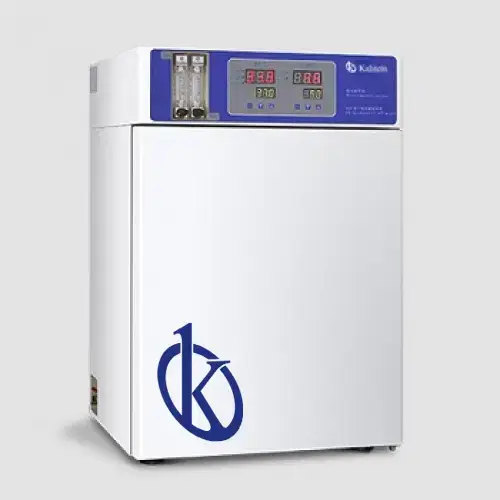
How to Evaluate ROI and Cost-Benefit Analysis for CO₂ Incubators in Laboratories
In the realm of laboratory equipment, particularly for those involved in cell culture and microbiological research, the selection of CO₂ incubators is crucial. Understanding the return on investment (ROI) and conducting a thorough cost-benefit analysis can significantly enhance decision-making processes for laboratory professionals. This article delves into the essential aspects of evaluating CO₂ incubators, focusing on their economic implications for laboratory operations.
Understanding the Importance of ROI and Cost-Benefit Analysis
Measuring ROI and performing cost-benefit analysis are fundamental components of laboratory management. A CO₂ incubator, which serves vital roles in cell culture, tissue regeneration, and microbial research, represents a significant investment. Therefore, assessing its financial viability ensures that laboratories achieve optimal productivity and sustainability.
ROI is calculated by comparing the net profit generated from the use of the incubator against its cost. Meanwhile, the cost-benefit analysis evaluates various costs associated with the incubator, such as initial purchase price, operational costs, and maintenance expenses, against the benefits gained from its utilization, including research outputs, operational efficiency, and enhanced productivity.
Framework for Cost-Benefit Analysis in CO₂ Incubators
To conduct a successful cost-benefit analysis for CO₂ incubators, laboratory managers need to consider several key factors:
- Initial Capital Investment: This includes the purchase price of the incubator and any installation costs.
- Operational Costs: These encompass energy consumption, maintenance, replacement parts, and consumables.
- Expected Lifespan: Understanding how long the incubator is expected to function efficiently can influence the investment's overall value.
- Project Outcomes: The benefits derived from using the incubator, such as enhanced growth rates, successful experiments, or increased throughput, should be quantified.
- Alternative Options: It’s crucial to compare the chosen incubator’s cost-effectiveness with that of alternative models.
Key Features Affecting ROI in CO₂ Incubators
When evaluating CO₂ incubators, specific features can significantly influence ROI:
- Temperature and CO₂ Control: Enhanced control of environmental parameters ensures optimal growth conditions, reducing experimental failures and rework.
- Energy Efficiency: Models that consume less energy can substantially lower operational costs over time.
- Maintenance and Support: Incubators with lower maintenance requirements or better support from manufacturers can reduce downtime and costs.
- Built-in Sterilization Features: Integrated UV sterilization capabilities can decrease contamination risks and related costs.
Comparative Overview of Popular CO₂ Incubator Models
In this section, we will present a comparison of several models of CO₂ incubators, highlighting their features and implications for ROI and cost-benefit analysis.
| Model | CAPEX (USD) | Cost per Test | Payback Period (Months) | Recommended Scenario |
|---|---|---|---|---|
| YR02048 | 1300.00 | Variable | 12 | Basic laboratory setups |
| YR02049 | 1900.00 | Variable | 15 | Advanced microbiological research |
| YR02049-1 | 3200.00 | Variable | 18 | High-throughput applications |
Common Mistakes and How to Avoid Them
Laboratory professionals often fall into common traps when selecting CO₂ incubators:
- Ignoring Total Cost of Ownership: Focusing solely on purchase price neglects long-term operational costs.
- Overlooking Specifications: Not considering the required ambient conditions for specific applications can lead to poor performance.
- Neglecting Future Scalability: Choosing models that cannot adapt to growing laboratory needs can result in higher future costs.
- Underestimating Training Needs: Investing in complex machines without adequate training can hinder productivity.
Frequently Asked Questions
How can I assess the ROI of a CO₂ incubator for my laboratory?
To assess the ROI of a CO₂ incubator like the YR02048, calculate the total costs, including purchase price and operational expenses, and compare them against the benefits like improved experimental success rates and reduced downtime. This enables a clearer financial picture of the investment.
What are the operational costs associated with CO₂ incubators?
Operational costs for CO₂ incubators such as the YR02049 include energy consumption, maintenance, and consumables. Understanding these costs is vital for accurate cost-benefit analysis and determining the overall efficiency of the incubator.
Which CO₂ incubator model is best for high-throughput applications?
The CO₂ Incubator YR02049-1 is designed for high-throughput applications, featuring advanced environmental controls to optimize growth conditions and reduce contamination risks, which can enhance overall laboratory productivity.
What factors impact the payback period of CO₂ incubators?
Factors impacting the payback period include initial investment cost, operating efficiency, rate of successful culture results, and overall laboratory output. For example, the YR02048 has a payback period of approximately 12 months, making it an attractive option for many labs.
How do energy efficiency ratings influence CO₂ incubator costs?
Energy efficiency ratings directly affect operational costs. A more energy-efficient model, such as the YR02049, reduces electricity consumption, contributing to lower overall costs and enhanced ROI over time.
What are the benefits of UV sterilization in incubators?
UV sterilization in incubators like the YR02048 minimizes contamination risks, leading to higher success rates in experiments and lower costs associated with failed cultures. This adds significant value to the overall cost-benefit analysis.
How can I determine the best CO₂ incubator for my specific application?
To determine the best CO₂ incubator, assess your laboratory needs based on factors like space, expected throughput, and specific research goals. For example, the YR02049-1 is highly suitable for advanced microbiological research requiring precise environmental control.
What metrics should I track to evaluate the effectiveness of a CO₂ incubator?
Key metrics to track include growth rates, contamination levels, and running costs. Utilizing models like the YR02049 helps in achieving optimal performance and facilitating a robust evaluation process for long-term investment decisions.
If you are looking for a fusion of innovation and quality, you have come to the right place. At Kalstein, we offer you the luxury of exploring our exclusive catalog of laboratory equipment. We manufacture every device to the highest standards of excellence. Our intuitive and seamless online purchasing channels are designed for your convenience, securing the most competitive prices. Hesitate no longer — we bring science to life; it is time to become part of our community.