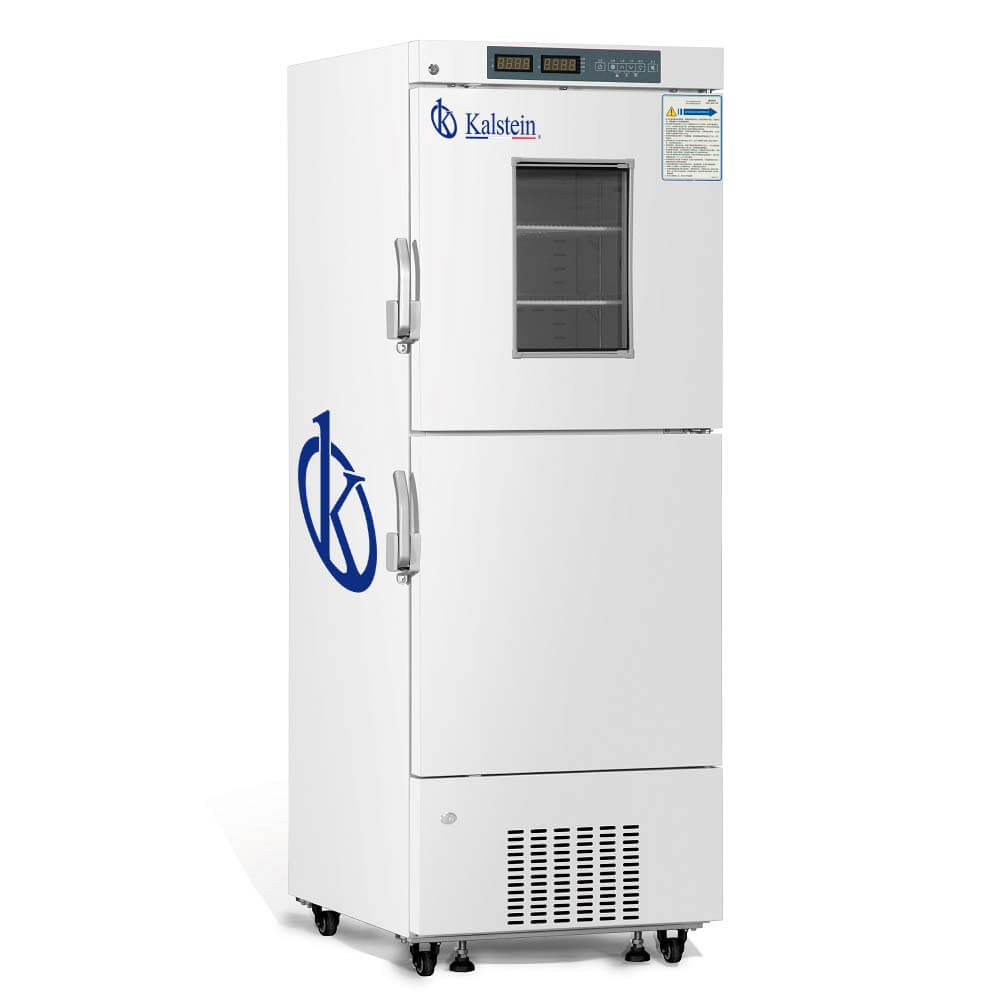
Evaluating Combined Freezers: A Comparative Analysis of Leading Models
In the realm of laboratory settings, combined freezers play a crucial role in the preservation of temperature-sensitive materials such as vaccines, plasma, and biological samples. With the increasing demand for efficiency and reliability in laboratories, it becomes imperative to assess the various models available in the market. This article delves into a detailed comparison of selected combined freezers, focusing on their technical specifications, applications, and overall performance in relation to alternative technologies.
Understanding Combined Freezers
Combined freezers, as opposed to standalone freezers, offer dual functionality, providing both refrigeration and freezing capabilities within a single unit. These units are essential in laboratories where maintaining optimal storage conditions is vital for ensuring the integrity of biological materials. By examining the leading models in this category, laboratories can make informed decisions that enhance their operational effectiveness.
Comparison of Available Models
| Model | Cooling Method | Temperature Range (°C) | Best For | Price (USD) |
|---|---|---|---|---|
| YR05320 | Direct cooling | -20 to -40 (F), 2 to 8 (R) | Pharmaceuticals, plasma storage | 1415.00 |
| YR05321 | Direct cooling | -10 to -25 (F), 2 to 8 (R) | Clinical labs, blood stations | 1060.00 |
| YR05321-1 | Direct cooling | -10 to -25 (F), 2 to 8 (R) | Hospitals, blood transfusion centers | 745.00 |
Key Features and Performance Metrics
Each model of combined freezer has distinct features tailored to specific applications. For instance, the YR05320 model, with a capacity of 368 liters, is designed with dual cooling systems, making it ideal for storing sensitive biological materials like plasma. Its ability to reach temperatures as low as -40°C makes it suitable for long-term storage. On the other hand, the YR05321 and YR05321-1 models focus on clinical efficiency, offering dual compartments for independent temperature control, which is essential in environments where varied materials require different storage conditions.
Performance Comparison Table
| Model | Energy Consumption (kWh/24h) | Noise Level (dB) | Dimensions (mm) |
|---|---|---|---|
| YR05320 | 4.15 | 50 | Not specified |
| YR05321 | 3.03 | 50 | Not specified |
| YR05321-1 | Not specified | Not specified | 650 x 620 x 1980 |
Common Mistakes and How to Avoid Them
In selecting a combined freezer, laboratories often overlook critical specifications that could significantly impact performance. A common mistake is failing to assess the temperature range required for specific applications, which can lead to material degradation. Additionally, purchasing decisions based solely on cost without considering the long-term operational efficiency and energy consumption can result in unexpected expenses.
Frequently Asked Questions
What is the temperature range for the YR05320 combined freezer model?
The YR05320 combined freezer model offers a temperature range of -20°C to -40°C for freezing and 2°C to 8°C for refrigeration, making it suitable for pharmaceuticals and plasma storage.
How does the YR05321 compare to other models in terms of energy efficiency?
The YR05321 model has an energy consumption rate of 3.03 kWh/24h, which makes it a competitive option for laboratories looking to minimize operational costs while maintaining performance standards.
Which combined freezer is best for blood storage applications?
The YR05321-1 model is particularly well-suited for blood storage due to its dual compartment design, allowing for independent temperature control necessary for different blood products, with a temperature range of -10°C to -25°C for the freezing compartment.
What features should I look for in a combined freezer for laboratory use?
When selecting a combined freezer for laboratory use, consider features such as adjustable temperature settings, energy efficiency ratings, noise levels, and the ability to maintain stable temperatures across different compartments, as seen in the YR05321 model.
Can the YR05320 model store vaccines effectively?
Yes, the YR05320 model can effectively store vaccines due to its capability to maintain low temperatures of -20°C to -40°C, ensuring the integrity and efficacy of temperature-sensitive biologicals.
What is the expected lifespan of a combined freezer in a laboratory setting?
The expected lifespan of a combined freezer, such as the YR05321, can typically range from 10 to 15 years with proper maintenance, making it a long-term investment for laboratory applications.
How can I ensure compliance with regulations when using a combined freezer?
To ensure compliance, regularly verify that the combined freezer maintains the required temperature ranges as stipulated by regulatory bodies, and utilize features like digital displays and alarms found in models like YR05321 for monitoring.
What are the advantages of dual compartment combined freezers?
Dual compartment combined freezers, such as the YR05321-1, offer the advantage of independent temperature controls, allowing laboratories to store a wider variety of materials under optimal conditions, thus enhancing operational flexibility.
If you are looking for a fusion of innovation and quality, you have come to the right place. At Kalstein, we offer you the luxury of exploring our exclusive catalog of laboratory equipment. We manufacture every device to the highest standards of excellence. Our intuitive and seamless online purchasing channels are designed for your convenience, securing the most competitive prices. Hesitate no longer — we bring science to life, it is time to become part of our community.