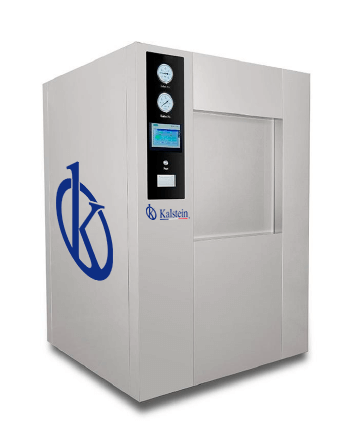
Evaluating Return on Investment for Vertical Autoclaves in Laboratories
In today's competitive laboratory environment, it is crucial to assess the return on investment (ROI) and cost-benefit analysis of laboratory equipment. Vertical autoclaves, which play a vital role in sterilization processes, require careful evaluation to ensure they contribute positively to laboratory efficiency and operational costs. This article explores methods to analyze the ROI of vertical autoclaves through a comparison of various models.
Understanding Cost-Benefit Analysis in Laboratory Settings
A comprehensive cost-benefit analysis is essential to determine the financial viability of vertical autoclaves. It factors in not only direct costs such as purchase price but also operational costs, maintenance, and potential savings achieved through improved efficiency.
Key Factors Affecting ROI for Vertical Autoclaves
When assessing the ROI for vertical autoclaves, a few critical factors come into play: initial capital expenditure (CAPEX), operational expenditure (OPEX), maintenance costs, and the lifecycle of the equipment. Understanding these variables enables laboratories to make informed decisions.
Investment Scenarios for Vertical Autoclaves
Several scenarios can illustrate how vertical autoclaves can yield returns on investment. By analyzing each model's specifications and their respective costs, laboratories can identify which equipment meets their operational needs while maximizing ROI.
Comparison of Available Models
| Model Code | Initial Cost (USD) | Average Operational Cost (USD/month) | Expected Lifespan (years) | Best Use Case |
|---|---|---|---|---|
| YR05653 | 13030.00 | 150.00 | 10 | High volume sterilization |
| YR05653-1 | 14394.00 | 140.00 | 10 | Research institutions |
| YR05655 | 724.00 | 50.00 | 5 | Small labs with limited budgets |
| YR05656 | 853.00 | 55.00 | 5 | Educational purposes |
| YR05657 | 1210.00 | 60.00 | 5 | Pharmaceutical labs |
| YR05658 | 1448.00 | 65.00 | 5 | Food industry applications |
Common Mistakes and How to Avoid Them
In evaluating the ROI of vertical autoclaves, laboratories often overlook hidden costs such as energy consumption and maintenance. It is essential to consider these factors to avoid overestimating ROI.
Maximizing Efficiency in Your Laboratory
To achieve the highest possible ROI, it is crucial to implement practices that maximize the efficiency of vertical autoclaves. Regular maintenance and optimizing sterilization cycles can drastically reduce operational costs.
Environmental Considerations and ROI
Environmental factors can also play a role in ROI. Modern vertical autoclaves that utilize less water and energy can offer long-term savings and improve your lab's sustainability profile.
Frequently Asked Questions
What factors should I consider for ROI on a vertical autoclave?
When evaluating ROI for a vertical autoclave, consider CAPEX, OPEX, maintenance, and expected lifespan. For instance, the YR05653 model, priced at $13,030, provides high volume sterilization for institutions, making it a valuable long-term investment.
How does energy consumption affect the cost of operating a vertical autoclave?
Energy consumption significantly impacts operational costs. For example, models like the YR05655 have lower energy demands, which can lead to savings of around $50 per month, enhancing overall ROI.
Which vertical autoclave is best for small labs on a budget?
The YR05655 model, priced at $724, is ideal for small laboratories with budget constraints. Its lower initial cost and operational expenses make it a practical choice for efficient sterilization.
What maintenance practices improve the ROI of vertical autoclaves?
Regular maintenance, including calibration and part replacements, enhances the efficiency and lifespan of vertical autoclaves. This proactive approach can prevent costly breakdowns and extend the lifespan of units like the YR05656.
How do I compare different models of vertical autoclaves?
Comparing vertical autoclaves involves assessing initial costs, operational expenses, and specific use cases. The table in this article includes various models, such as the YR05653, to help identify the best fit for your laboratory.
What is the average lifespan of a vertical autoclave?
The average lifespan of a vertical autoclave typically ranges from 5 to 10 years, depending on usage and maintenance practices. For instance, the YR05653 model can last up to 10 years with proper care.
How can I calculate the expected savings from a vertical autoclave?
To calculate expected savings, consider the difference between operational costs of current sterilization methods and those of a new model. For example, switching to the YR05653 could yield savings of over $100 monthly compared to older models.
What role does certification play in the ROI of vertical autoclaves?
Certification ensures compliance with safety and operational standards, which can minimize liabilities and improve efficiency. Models like the YR05658 are designed to meet high standards, offering peace of mind and potentially lower insurance costs.
Request a quote for one of our high-quality vertical autoclaves today.
If you are looking for a fusion of innovation and quality, you have come to the right place. At Kalstein, we offer you the luxury of exploring our exclusive catalog of laboratory equipment. We manufacture every device to the highest standards of excellence. Our intuitive and seamless online purchasing channels are designed for your convenience, securing the most competitive prices. Hesitate no longer — we bring science to life, it is time to become part of our community.