Explosion-proof Cabinets: Practical Applications and Techniques 2026
Explosion-proof cabinets play a crucial role in laboratory safety by providing secure storage for flammable and hazardous materials. In 2026, understanding how to effectively use these cabinets is essential for laboratory professionals to ensure compliance and safety. This guide delves into the applications, techniques, and best practices for explosion-proof cabinets.
What is it used for in 2026
In 2026, explosion-proof cabinets are primarily used in laboratories for the safe storage of flammable liquids, corrosive substances, and other hazardous materials. These cabinets are designed to prevent ignition and contain potential explosions, making them vital for meeting safety standards in various laboratory settings, including research facilities, industrial labs, and educational institutions. Their ability to minimize risks associated with volatile chemicals ensures a safer working environment for laboratory professionals.
History and evolution of the technology
The concept of explosion-proof storage dates back to the early 20th century when the need for safe storage of volatile substances became apparent following numerous laboratory accidents. Early cabinets were simple metal boxes, but advancements in materials and engineering have led to the development of modern explosion-proof cabinets that incorporate features such as double-lock systems, adjustable shelving, and grounding capabilities. Over the decades, these cabinets have evolved to meet stricter regulations and improve safety measures, making them an indispensable part of laboratory safety protocols.
How to use it step by step
- Select the appropriate cabinet: Choose a model based on the types of chemicals you will store, considering factors such as capacity and color coding for different substances.
- Prepare the cabinet: Ensure the cabinet is clean, dry, and free from any previous residues. Check for any damage or defects before use.
- Organize materials: Categorize chemicals and place them in the cabinet according to their compatibility, ensuring flammable liquids are stored separately from corrosive substances.
- Lock securely: Use the double lock system to secure the cabinet, ensuring that only authorized personnel have access to hazardous materials.
- Regularly inspect: Carry out routine inspections to check for any signs of wear or damage and ensure compliance with safety regulations.
Best techniques and protocols
To maximize safety when using explosion-proof cabinets, follow these best techniques and protocols:
- Regularly update training for all laboratory staff on proper storage protocols and emergency response.
- Implement a strict inventory management system to track chemical usage and ensure timely disposal of expired materials.
- Maintain clear labeling of all chemicals stored, including hazard symbols, to enhance safety awareness among staff.
- Ensure proper ventilation around the cabinets to minimize the buildup of flammable vapors.
Practical applications by laboratory type
Explosion-proof cabinets are utilized across various laboratory types, including:
- Chemical laboratories: For storing flammable solvents, acids, and bases.
- Biological laboratories: To safely store hazardous biological materials and chemicals.
- Research institutions: For long-term storage of volatile substances used in experiments.
- Educational laboratories: To provide students with hands-on experience in a safe environment while handling hazardous materials.
Regulations, standards and certifications
In 2026, compliance with regulations and standards is paramount when using explosion-proof cabinets. Key regulations include:
- Occupational Safety and Health Administration (OSHA) regulations regarding flammable liquid storage.
- National Fire Protection Association (NFPA) guidelines for hazardous materials.
- Uniform Fire Code (UFC) requirements for the safe storage of flammable substances.
- American National Standards Institute (ANSI) standards for safety cabinets.
Comparison with alternative technologies
Explosion-proof cabinets offer several advantages compared to alternative technologies such as standard storage cabinets or hazardous material lockers. Key differences include:
- Enhanced safety: Explosion-proof cabinets are specifically designed to contain and prevent explosions, while standard cabinets lack such features.
- Regulatory compliance: Explosion-proof cabinets meet stringent safety regulations, which standard storage solutions may not.
- Material compatibility: These cabinets are often constructed with materials that resist corrosion and withstand extreme conditions, unlike conventional cabinets.
Comparison of available models
| Model | Best for | Key specs | Recommended use case |
|---|---|---|---|
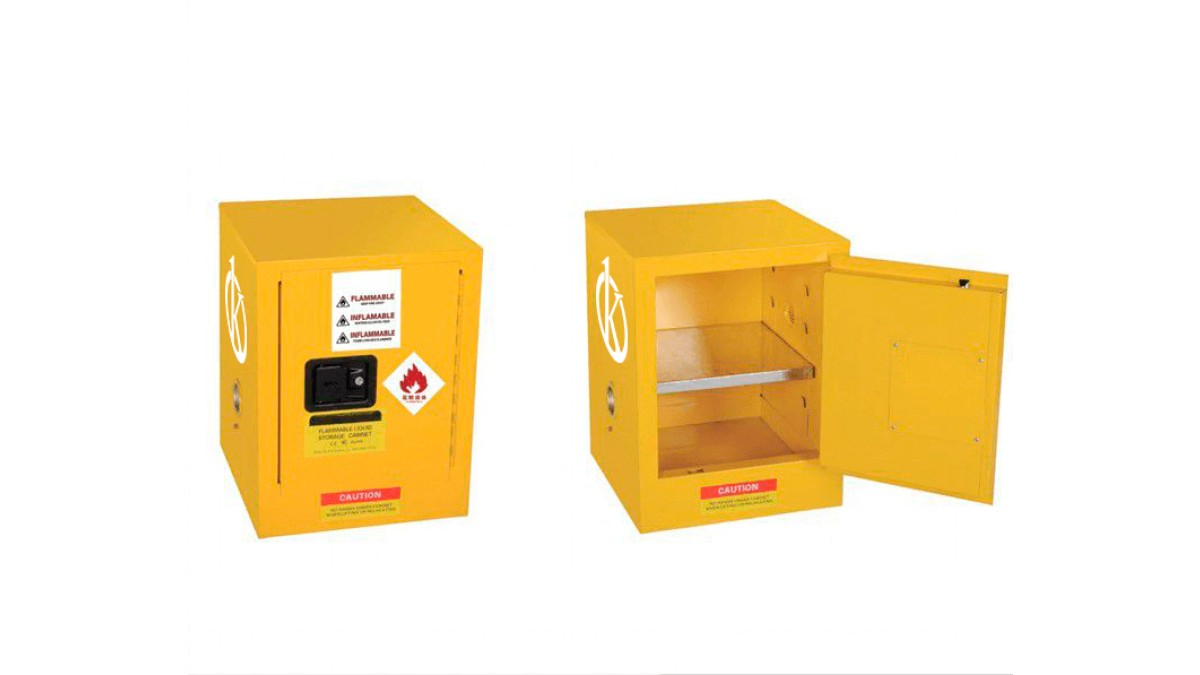
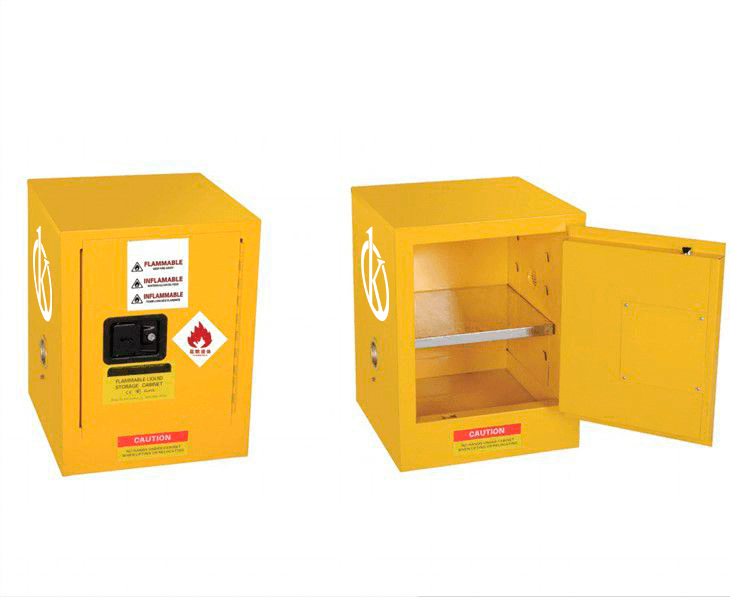
| YR05464-1 | 2-4 Gallon Flammable Liquids | Dimensions: 330x330x330 mm, Weight: 21 kg | Ideal for small laboratories needing secure storage for flammable liquids. |
| YR05464-2 | 2-4 Gallon Flammable Liquids | Dimensions: 330x330x330 mm, Weight: 21 kg | Best for educational laboratories that store smaller quantities of flammable materials. |
| YR05465 | 2-4 Gallon Flammable Liquids | Dimensions: 560x430x430 mm, Weight: 21 kg | Recommended for research institutions needing reliable storage for volatile chemicals. |
| YR05465-1 | 2-4 Gallon Flammable Liquids | Dimensions: 560x430x430 mm, Weight: 21 kg | Suitable for labs focusing on safety and compliance with hazardous materials. |
| YR05465-2 | 2-4 Gallon Flammable Liquids | Dimensions: 560x430x430 mm, Weight: 21 kg | Perfect for industrial labs handling flammable substances. |
| YR05464 | 2-4 Gallon Flammable Liquids | Dimensions: 330x330x330 mm, Weight: 21 kg | Great for small-scale operations where space is limited but safety is paramount. |
Common mistakes and how to avoid them
Laboratory professionals often make mistakes when using explosion-proof cabinets. To avoid these, consider the following:
- Ignoring compatibility: Always ensure that chemicals stored together are compatible to prevent reactions.
- Overloading the cabinet: Respect the weight and volume limits of the cabinet to maintain safety.
- Neglecting inspections: Regularly check cabinets for damage and wear to ensure they function properly.
- Inadequate training: Provide thorough training for all staff on proper usage and safety protocols.
Maintenance, calibration and good practices 2026
To ensure explosion-proof cabinets remain effective, implement a maintenance schedule that includes:
- Regular cleaning and inspection of the cabinet for any signs of corrosion or damage.
- Checking seals and locks to ensure they function correctly.
- Routine testing of grounding systems to prevent static buildup.
Cost-benefit analysis 2026
Investing in explosion-proof cabinets can seem costly; however, the benefits outweigh the expenses. The cost of potential accidents, regulatory fines, and health risks incurred from improper storage can be significantly higher. By ensuring safe storage practices, laboratories protect their staff and reduce liability, making explosion-proof cabinets a worthwhile investment in 2026.
Frequently asked questions
What should I consider when choosing an explosion-proof cabinet?
When selecting an explosion-proof cabinet, consider the types of chemicals you will store, the cabinet's capacity, and any specific safety features required by your laboratory's regulations.
How often should I inspect my explosion-proof cabinet?
It is recommended to inspect explosion-proof cabinets at least once a month for wear and tear, ensuring all safety features function properly.
Can I use any cabinet for storing flammable materials?
No, only cabinets specifically designed to be explosion-proof should be used for storing flammable materials to prevent accidents and comply with safety regulations.
What is the proper way to label chemicals in the cabinet?
All chemicals should be clearly labeled with their names, hazard symbols, and any other relevant information to ensure safety and compliance.
Are there specific training requirements for using explosion-proof cabinets?
Yes, laboratory staff must receive training on proper usage, emergency procedures, and safety regulations related to explosion-proof cabinets.
How do I ensure compliance with safety regulations?
Regularly review and update your laboratory's safety protocols and ensure all staff are trained on the latest regulations regarding hazardous material storage.
What should I do in case of a chemical spill inside the cabinet?
Immediately follow your laboratory's emergency response plan, which may include isolating the area, notifying supervisors, and cleaning up the spill using appropriate protective equipment.
If you are looking for a fusion of innovation and quality, you have come to the right place. At Kalstein, we offer you the luxury of exploring our exclusive catalog of laboratory equipment. We manufacture every device to the highest standards of excellence. Our intuitive and seamless online purchasing channels are designed for your convenience, securing the most competitive prices. Hesitate no longer — we bring science to life, it is time to become part of our community.