Food Freeze Dryers: Practical Applications and Techniques 2026
What is it used for in 2026
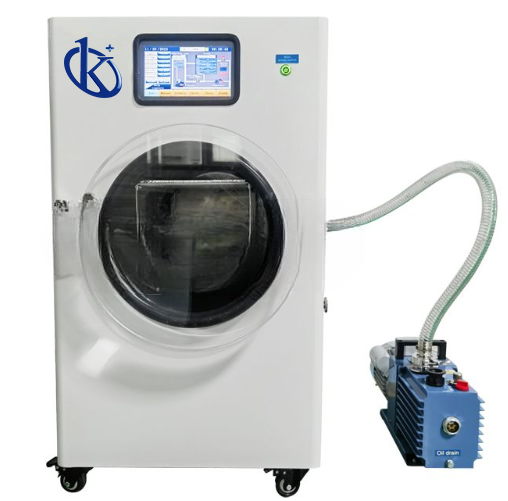
In 2026, food freeze dryers are invaluable in the preservation of food, pharmaceuticals, and biological materials. The freeze-drying process, or lyophilization, eliminates moisture from products once frozen and placed under vacuum, allowing ice to change directly from solid to vapor without passing through a liquid phase. This technology is crucial for maintaining the quality and integrity of products, extending shelf life, and enhancing transportability.
History and evolution of the technology
The process of freeze-drying dates back to the early 20th century, originally developed for military applications to preserve food. Over the decades, advancements in technology have led to more efficient and compact models suitable for laboratory and home use. The evolution from large, industrial machines to user-friendly devices has made freeze-drying accessible for various sectors, including agriculture, pharmaceuticals, and food production.
How to use it step by step
Using a food freeze dryer typically involves the following steps:
- Preparation: Select and prepare food or samples for freeze-drying. Ensure they are clean and cut into appropriate sizes for efficient processing.
- Freezing: Place the prepared samples in the freeze dryer trays and initiate the freezing process. Ensure the unit is set to the required temperature.
- Primary Drying: Once frozen, the vacuum pump is activated, and the pressure is reduced. This process sublimates the ice directly into vapor.
- Secondary Drying: The temperature is gradually increased to remove any remaining moisture, ensuring the product is thoroughly dried.
- Storage: Once the drying process is complete, store the lyophilized products in airtight containers to maintain quality until use.
Best techniques and protocols
To achieve optimal results when using food freeze dryers, adhere to the following techniques:
- Ensure uniformity in sample size for even freeze-drying.
- Maintain a clean and organized workspace to avoid contamination.
- Regularly calibrate your equipment to ensure accuracy in temperature and pressure settings.
- Document the entire process to refine and improve future operations.
Practical applications by laboratory type
Food freeze dryers find applications across various laboratory types:
- Research Laboratories: For preserving biological samples and conducting experiments with lyophilized substances.
- Food Industry: For creating shelf-stable food products while retaining taste and nutritional value.
- Pharmaceuticals: For producing stable drug formulations and vaccines that require long-term storage.
- Agricultural Labs: For preserving seeds and plant material for research and development.
Regulations, standards and certifications
Compliance with industry regulations and standards is critical when using food freeze dryers. Organizations like the FDA and ISO provide guidelines for hygienic practices and equipment safety. Ensuring your freeze dryer meets these certifications can aid in quality assurance and market acceptance.
Comparison with alternative technologies
While freeze-drying is highly effective, other methods such as air drying, spray drying, and vacuum drying exist. Each method has its pros and cons:
- Air Drying: Simpler but may compromise product quality due to oxidation.
- Spray Drying: Faster but typically less effective in preserving volatile compounds.
- Vacuum Drying: Effective but may not achieve the same level of preservation as freeze-drying.
Comparison of available models
| Model | Best for | Key specs | Recommended use case |
|---|---|---|---|
| YR05984 | Home and small batch food preservation | 1550W, 4 trays, 0.4m² | Ideal for small families wanting to preserve fruits and vegetables. |
| YR05983 | Home use | 1100W, 3 trays, 0.1m² | Designed for personal use in preserving smaller quantities. |
| YR05985 | Fruits and vegetables | 2000W, 4 trays, 0.6m² | Best for commercial applications in preserving larger batches of food. |
| YR06612 | Large scale food preservation | 150kW, 9+1 shelves, 52.92m² | Suitable for industrial applications needing to process high volumes. |
Common mistakes and how to avoid them
It's essential to be aware of common pitfalls when using food freeze dryers:
- Overloading the dryer: Always follow capacity guidelines to avoid inefficient drying.
- Inadequate cleaning: Ensure all equipment is sanitized before use to prevent contamination.
- Ignoring manufacturer guidelines: Each model has specific operational instructions; always consult the manual.
Maintenance, calibration and good practices 2026
Regular maintenance is crucial for the longevity of your freeze dryer. Follow these best practices:
- Schedule routine cleaning and inspection of components.
- Calibrate temperature and pressure settings every few months.
- Keep a log of maintenance activities to track performance over time.
Cost-benefit analysis 2026
Investing in a food freeze dryer can be a costly upfront expense. However, analyzing long-term benefits like reduced food waste, preservation of nutrients and flavors, and potential market opportunities can justify the investment. Calculating return on investment based on your specific use case is essential.
Frequently asked questions
What factors should I consider when choosing a food freeze dryer?
Consider your production volume, space constraints, energy consumption, and whether you need specialized features like adjustable temperature controls.
How do I maintain my freeze dryer for optimal performance?
Regularly clean the unit, check for leaks, calibrate settings, and follow the manufacturer's maintenance schedule to ensure longevity and efficiency.
Can I freeze-dry liquids in a food freeze dryer?
Yes, but it requires specific techniques and careful monitoring to prevent spills and ensure even drying.
What are the best practices for packaging freeze-dried products?
Use vacuum-sealed bags or airtight containers to prevent moisture reabsorption and preserve quality during storage.
How does freeze drying affect the nutritional value of food?
Freeze-drying retains most of the nutrients in food, making it a preferable preservation method compared to other drying techniques.
What is the expected lifespan of a food freeze dryer?
With proper maintenance, a food freeze dryer can last for many years, typically around 10-15 years depending on usage and care.
Where can I get a quote for a food freeze dryer?
For personalized pricing and product options, request a quote on our platform.
If you are looking for a fusion of innovation and quality, you have come to the right place. At Kalstein, we offer you the luxury of exploring our exclusive catalog of laboratory equipment. We manufacture every device to the highest standards of excellence. Our intuitive and seamless online purchasing channels are designed for your convenience, securing the most competitive prices. Hesitate no longer — we bring science to life, it is time to become part of our community.