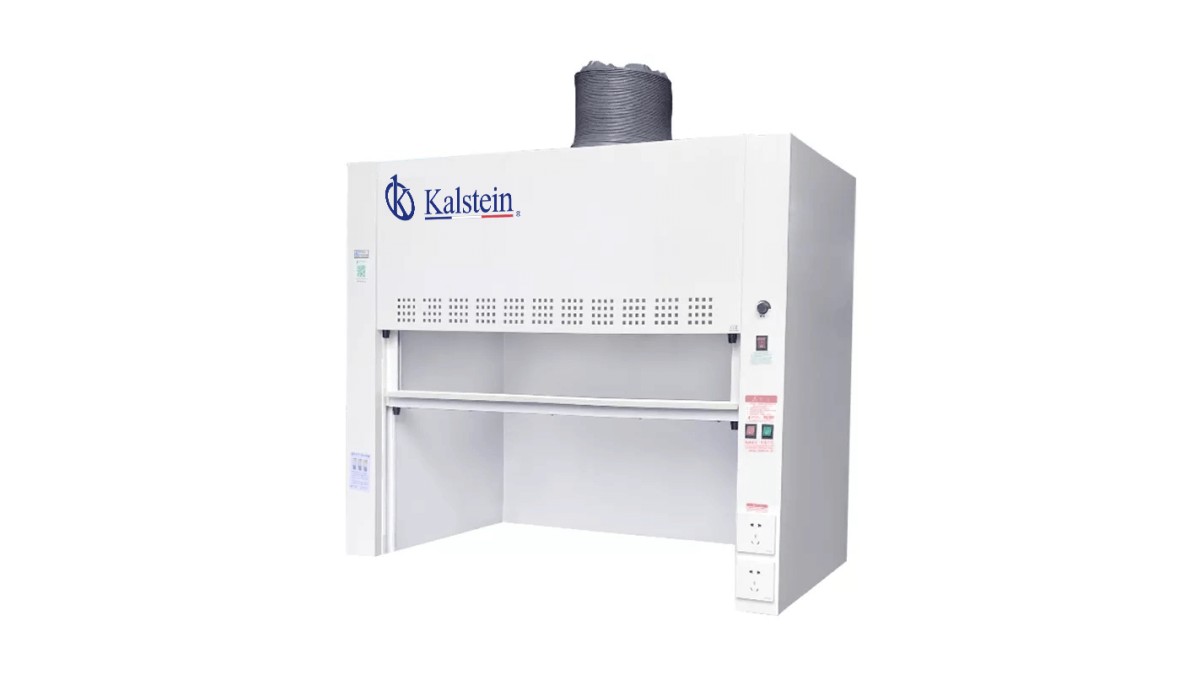
Fume Hood Cabinet: Practical Usage Guide for 2026
The fume hood cabinet is an essential piece of equipment in laboratories, designed to ensure user safety by extracting hazardous fumes and vapors. This guide will delve into its various applications, best practices, and operational protocols to maximize efficiency in 2026.
What is it used for in 2026
In 2026, fume hood cabinets are primarily used in chemical, biological, and pharmaceutical laboratories to protect users from harmful substances. They are critical in preventing exposure to toxic fumes, vapors, and particulate matter generated during experiments and material handling. These cabinets enhance laboratory safety and compliance with health regulations, making them indispensable for a wide range of laboratory operations.
History and evolution of the technology
The technology of fume hoods has evolved significantly over the decades. Early versions were simple structures with minimal ventilation capabilities. However, advancements in materials science and engineering have led to the development of more sophisticated models made from epoxy-coated steel with integrated ventilation systems. Today's fume hoods are equipped with features such as adjustable airflow, LED lighting, and advanced monitoring systems, ensuring optimal performance and safety.
How to use it step by step
Using a fume hood cabinet effectively requires careful adherence to specific procedures:
- Preparation: Ensure that all necessary materials and equipment are within reach in the fume hood before starting any work.
- Check Functionality: Verify that the fume hood is operational by checking the airflow indicator and making sure the fan is running properly.
- Appropriate Setup: Place all hazardous materials inside the fume hood, ensuring that they are at least six inches from the sash to allow for proper airflow.
- Work Safely: Always keep the sash at the recommended height to maximize protection. Avoid blocking airflow with your body.
- Post-Use Cleanup: After completion, dispose of all waste materials according to your laboratory’s protocols and clean the workspace.
Best techniques and protocols
Implementing best practices is crucial for the effective use of fume hood cabinets:
- Maintain a clutter-free workspace to ensure optimal airflow.
- Regularly check and maintain the fume hood to prevent any malfunctioning.
- Train all laboratory personnel on the correct usage and emergency procedures associated with fume hoods.
- Utilize appropriate personal protective equipment (PPE) while working in or around the fume hood.
Practical applications by laboratory type
Fume hood cabinets find applications across various laboratory settings:
- Chemical Laboratories: Used for handling volatile solvents and reactive chemicals.
- Biological Laboratories: Essential for manipulating infectious materials and biological agents.
- Pharmaceutical Laboratories: Provide a controlled environment for drug formulation and testing.
Regulations, standards and certifications
Compliance with safety regulations is vital for laboratories using fume hood cabinets. Key standards include:
- ANSI/AIHA Z9.5 for ventilation in laboratory fume hoods.
- OSHA regulations concerning chemical exposure and safety.
- NIOSH guidelines for the safe use of fume hoods.
Comparison with alternative technologies
While fume hood cabinets are widely used, alternative technologies such as biosafety cabinets and ventilated balance enclosures serve specific functions. Here’s a brief comparison:
- Biosafety Cabinets: Primarily designed for work with biological agents, providing containment against exposure.
- Ventilated Balance Enclosures: Specifically intended for weighing hazardous materials with limited airflow.
Comparison of available models
| Model | Best for | Key specs | Recommended use case |
|---|---|---|---|
| YR05808 | Basic chemical extraction | External dimensions: 650x650x1000 mm; Internal dimensions: 450x600x750 mm | General laboratory use for basic chemical handling. |
| YR05809 | Advanced chemical extraction | External dimensions: 800x650x1000 mm; Internal dimensions: 600x600x750 mm | Suitable for larger volume chemical experiments. |
| YR05810 | High-capacity chemical extraction | External dimensions: 1000x650x1000 mm; Internal dimensions: 800x600x750 mm | Ideal for extensive chemical work requiring larger space. |
| YR05811 | Laboratory environments needing flexibility | External dimensions: 1000x650x1000 mm; Internal dimensions: 1000x600x750 mm | Effective for laboratories with varying workflows. |
| YR05812 | Heavy-duty applications | External dimensions: 1500x650x1000 mm; Internal dimensions: 1300x600x750 mm | Best for high-volume labs needing robust extraction. |
| YR05813 | Multi-purpose chemical extraction | External dimensions: 800x650x1900 mm; Internal dimensions: 600x600x750 mm | Versatile use across various laboratory settings. |
Common mistakes and how to avoid them
Awareness of common pitfalls can enhance safety and efficiency:
- Overloading the fume hood with materials can obstruct airflow; only keep necessary items inside.
- Not maintaining the sash height can reduce protection; always adhere to recommended settings.
- Failing to regularly inspect the fume hood can lead to unnoticed malfunctions; schedule routine checks.
Maintenance, calibration and good practices 2026
Proper maintenance is critical for optimal performance:
- Conduct regular inspections and servicing to ensure airflow and equipment reliability.
- Calibrate airflow monitors as per manufacturer guidelines to maintain safety standards.
- Educate staff on best practices for fume hood usage and emergency procedures.
Cost-benefit analysis 2026
Investing in fume hood cabinets can provide long-term benefits:
- Enhances laboratory safety and compliance with regulations.
- Reduces the risk of accidents and health issues, which could lead to costly liabilities.
- Improves productivity by providing a safe and efficient workspace.
Frequently asked questions
What should I consider when choosing a fume hood cabinet?
Consider the size, airflow capacity, and specific applications you need the fume hood for. Assess your laboratory's layout and the hazardous materials you'll be working with.
How do I know if my fume hood is functioning properly?
Regularly check the airflow indicator and conduct performance tests. Ensure that the sash is at the recommended height to maintain adequate airflow.
What are the consequences of improper fume hood usage?
Improper use can lead to exposure to hazardous fumes, potential health risks, and non-compliance with safety regulations.
Can I perform maintenance on my fume hood myself?
While minor maintenance tasks can be performed by trained personnel, it's advisable to have a qualified technician conduct major inspections and repairs.
What types of hazardous materials can be used in fume hoods?
Fume hoods are designed for volatile solvents, acids, bases, and other hazardous chemicals. Always consult safety data sheets for specific materials.
How often should I have my fume hood serviced?
Fume hoods should be serviced at least annually, but more frequent checks may be necessary depending on usage and local regulations.
Where can I request a quote for a fume hood cabinet?
You can easily request a quote on Kalstein Plus for the fume hood cabinets that suit your laboratory needs.
If you are looking for a fusion of innovation and quality, you have come to the right place. At Kalstein, we offer you the luxury of exploring our exclusive catalog of laboratory equipment. We manufacture every device to the highest standards of excellence. Our intuitive and seamless online purchasing channels are designed for your convenience, securing the most competitive prices. Hesitate no longer — we bring science to life, it is time to become part of our community.