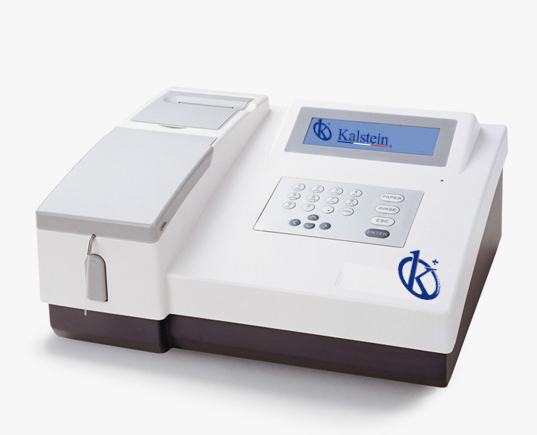
Harnessing Chemical Analyzers for University Research Projects
In the dynamic environment of university research, the role of chemical analyzers is pivotal for conducting experiments, validating theories, and producing reliable results. With the increasing demand for precision and efficiency in academic projects, the right choice of chemical analyzer can significantly impact research outcomes. This article delves deep into the application of chemical analyzers within academia, comparing various models while highlighting their specific use cases, advantages, and integration into research workflows.
Understanding the Role of Chemical Analyzers in Academic Research
Chemical analyzers are essential in university laboratories for performing quantitative and qualitative analyses of substances. They facilitate a wide range of tests, including but not limited to, blood chemistry, soil analysis, and environmental monitoring. By utilizing modern chemical analyzers, researchers can ensure high levels of accuracy and reproducibility in their studies, which is critical for scientific validation.
Universities often engage in interdisciplinary research, where the ability to analyze various chemical compounds becomes crucial. For instance, in biochemical research, detectors can identify metabolic markers, while in environmental studies, they can analyze pollutants in water samples. Choosing the appropriate chemical analyzer can streamline these processes, ensuring that researchers can focus on data interpretation rather than the complexities of the analytical methods.
Comparison of Available Models
| Model | Specifications | Best For |
|---|---|---|
| YR05115 | 5-inch color LCD, 80 preprogrammed tests, 10,000 results memory | Routine chemical analysis in laboratories |
| YR05114 | 5 wavelengths, reliable performance, user-friendly interface | Academic research with complex requirements |
| YR06092 | Portable, digital LCD, adjustable temperature settings | Field research and on-site testing |
| YR06075 | 560 tests/hour, advanced optical system | High-throughput environments |
| YR05116 | Windows OS, real-time curve visualization | Complex analytical experiments |
| YR06078 | Compact design, 7 wavelengths, 10,000 results memory | Educational settings and training labs |
Choosing the Right Chemical Analyzer for Academic Research
When selecting a chemical analyzer for university research projects, several factors must be taken into account:
- Purpose and Application: Understand the specific tests that will be conducted and the type of samples to be analyzed.
- Budget Constraints: Consider the total cost of ownership, including maintenance, consumables, and potential upgrades.
- Ease of Use: Look for user-friendly interfaces and features that facilitate training for students and researchers.
- Integration Capabilities: Ensure compatibility with existing laboratory information management systems (LIMS) for seamless data management.
The YR06092 model, with its portable design and digital display, is perfect for field research where equipment mobility is crucial. Conversely, the YR06075 model, capable of processing up to 560 tests per hour, is ideal for high-demand laboratories where throughput is essential.
Common Mistakes and How to Avoid Them
When utilizing chemical analyzers in academic research, common pitfalls can hinder productivity and accuracy. Here are some frequent mistakes and tips on how to avoid them:
- Neglecting Calibration: Regular calibration is necessary to maintain accuracy. Establish a routine calibration schedule based on manufacturer recommendations.
- Inadequate Training: Ensure that all users receive proper training on the equipment to minimize errors in sample handling and data interpretation.
- Overlooking Maintenance: Schedule regular maintenance to prevent breakdowns and extend the equipment's lifespan. Utilize models like the YR06075, which offer advanced self-cleaning features, to reduce maintenance efforts.
The Impact of Chemical Analyzers on Research Efficiency
Efficiency in academic research is pivotal, and chemical analyzers play a significant role in streamlining laboratory processes. By automating testing and reducing the time required for manual analysis, these machines enhance output and allow researchers to focus on data interpretation and decision-making.
For instance, a model like the YR06075 can conduct multiple tests simultaneously, thereby accelerating research timelines. In many cases, faster results translate into more rapid iterations of research hypotheses, leading to greater productivity and innovation.
Integration of Chemical Analyzers with Laboratory Information Systems
Integrating chemical analyzers with laboratory information systems (LIMS) is vital for data management and compliance in academic settings. A well-integrated system allows for automated data entry, reducing human errors and improving data accuracy.
Models such as the YR05116 feature RS232 interfaces that facilitate LIMS connectivity. This integration ensures that all test results are systematically recorded and accessible, which is essential for both research documentation and regulatory compliance.
Frequently Asked Questions
How much can I save with a semi-automatic chemistry analyzer in academic projects?
Cost savings with semi-automatic chemistry analyzers like the YR05114 can vary, but on average, institutions report reducing costs by up to 30% due to decreased reagent waste and lower operational costs compared to fully manual systems.
Which chemical analyzer is best for teaching laboratory courses?
The YR06078 is highly recommended for teaching laboratory courses due to its user-friendly interface and ability to store up to 10,000 test results, facilitating easy access and review for students.
What is the expected lifespan of a laboratory chemical analyzer?
Most laboratory chemical analyzers, like the YR06075, can last anywhere from 5 to 10 years with proper maintenance and regular calibration, ensuring reliability in long-term research projects.
How can I ensure compliance with laboratory regulations using chemical analyzers?
To ensure compliance, models like the YR05115 are equipped with features that facilitate traceability and documentation, which are crucial for adhering to regulatory standards such as ISO 17025.
What are the maintenance requirements for chemical analyzers in academic labs?
Maintenance for chemical analyzers like the YR06092 typically includes regular cleaning, calibration checks, and software updates. Following a maintenance schedule can prevent operational failures.
How do chemical analyzers enhance research data quality in universities?
Chemical analyzers improve data quality by providing consistent, precise measurements that are less susceptible to human error. Models like the YR05116 offer real-time data visualization to ensure accurate results.
Are portable chemical analyzers effective for field research?
Yes, portable chemical analyzers like the YR06092 are specifically designed for field research, allowing researchers to conduct analyses directly at sample collection sites, thus enhancing the relevance of their data.
If you are looking for a fusion of innovation and quality, you have come to the right place. At Kalstein, we offer you the luxury of exploring our exclusive catalog of laboratory equipment. We manufacture every device to the highest standards of excellence. Our intuitive and seamless online purchasing channels are designed for your convenience, securing the most competitive prices. Hesitate no longer — we bring science to life, it is time to become part of our community.