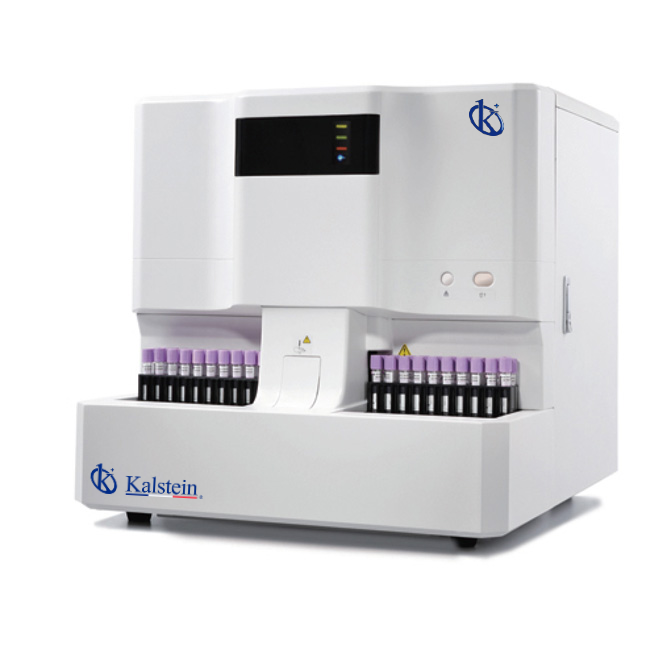
Hematology Analyzers: Best Techniques and Protocols in 2026
Hematology analyzers play a crucial role in laboratory diagnostics, enabling laboratories to perform detailed analysis of blood samples efficiently. As technology advances, understanding the current best practices, techniques, and applications of hematology analyzers is essential for laboratory professionals. This article provides a comprehensive overview of hematology analyzers, focusing on the latest techniques and protocols in 2026.
What is it used for in 2026
In 2026, hematology analyzers are primarily used for analyzing blood components, including red blood cells, white blood cells, and platelets. They provide crucial data on hemoglobin levels, hematocrit, and cell morphology, which are essential for diagnosing various medical conditions, such as anemia, infections, and blood disorders. Advanced features such as 3D scatter plots and integrated software for data management enhance the accuracy and efficiency of these devices.
History and evolution of the technology
The development of hematology analyzers has seen significant evolution from manual counting methods to fully automated systems. Early methods, such as the use of hemocytometers, required manual cell counting, which was time-consuming and error-prone. The introduction of automated analyzers in the late 20th century revolutionized the field, allowing for high-throughput testing and improved accuracy. Over the years, advancements in laser technology, flow cytometry, and computer algorithms have further enhanced the capabilities of these analyzers, making them an indispensable tool in modern laboratories.
How to use it step by step
- Preparation: Ensure all necessary reagents and controls are ready, and check the analyzer for proper functioning and calibration.
- Sample Collection: Collect blood samples using appropriate techniques, ensuring that they are properly labeled and stored.
- Sample Processing: Load the samples into the analyzer according to the manufacturer’s instructions. Use the automated loader if available for increased efficiency.
- Running Tests: Select the appropriate test protocol on the analyzer’s interface, ensuring that all settings are configured correctly.
- Data Analysis: After the analysis, review the generated reports for accuracy and make any necessary comparisons with previous results.
- Quality Control: Run quality control samples periodically to ensure the analyzer is functioning correctly.
- Documentation: Properly document all results, quality control data, and any anomalies encountered during the testing process.
Best techniques and protocols
Effective techniques for using hematology analyzers include adhering to established protocols for sample handling, ensuring regular maintenance, and utilizing control samples to validate results. Automation of sample loading and data extraction can enhance operational efficiency. Additionally, utilizing the analyzer’s software for data storage and trend analysis can aid in patient monitoring and diagnostics.
Practical applications by laboratory type
Different types of laboratories utilize hematology analyzers in various ways:
- Clinical Laboratories: Use analyzers for routine blood tests essential for patient diagnosis and management.
- Research Laboratories: Employ advanced features for detailed blood component analysis, useful in clinical research and trials.
- Hospital Laboratories: Implement rapid testing protocols in emergency departments to facilitate quick decision-making in critical cases.
- Veterinary Laboratories: Adapt hematology analyzers for animal blood testing, ensuring accurate diagnostics in veterinary care.
Regulations, standards and certifications
Hematology analyzers must comply with various regulations and standards, including ISO 13485 for medical device manufacturing and CLIA regulations for laboratory testing. Regular audits and quality assurance protocols are essential to maintain compliance and ensure reliable results.
Comparison with alternative technologies
While hematology analyzers represent the standard in blood analysis, alternative technologies, such as manual microscopy and microfluidic devices, offer different advantages. Manual microscopy allows for detailed morphological analysis, while microfluidic devices can provide rapid results with minimal sample volume. However, hematology analyzers generally offer higher throughput, accuracy, and automation, making them the preferred choice in most laboratory settings.
Comparison of available models
| Model | Best for | Key specs | Recommended use case |
|---|---|---|---|
| YR06080 | High-volume testing | 28 parameters; 60 samples/hour; titanium incubation | Large hospitals and laboratories with high sample throughput |
| YR05123 | Precision in WBC counting | 60 samples/hour; 3D topographic maps | Laboratories requiring detailed white blood cell analysis |
| YR05122-1 | Comprehensive testing | 29 parameters; 60 samples/hour; 14-inch touchscreen | Versatile laboratories needing high functionality |
| YR05122 | Moderate volume testing | 23 parameters; 35 samples/hour; color TFT | Smaller clinics and laboratories |
| YR05121 | General hematology | 23 parameters; 35 samples/hour; automatic cleaning | General hospitals with moderate testing requirements |
| YR05120 | Basic functionality | 20 parameters; 35 samples/hour; dual-channel hemoglobin | Entry-level laboratories and clinics |
Common mistakes and how to avoid them
Common mistakes in using hematology analyzers include improper sample collection, failing to calibrate the device regularly, and neglecting quality control procedures. To avoid these mistakes, laboratory personnel should receive proper training, adhere to standard operating procedures, and consistently monitor analyzer performance through quality checks.
Maintenance, calibration and good practices 2026
Regular maintenance and calibration of hematology analyzers are critical for accurate results. Laboratories should establish a maintenance schedule that includes cleaning, calibration checks, and software updates. Additionally, training staff on proper usage and troubleshooting can help maintain optimal device performance.
Cost-benefit analysis 2026
In 2026, the cost of hematology analyzers must be weighed against their benefits, including efficiency, accuracy, and the ability to handle large volumes of samples. While initial investments can be high, the long-term savings from reduced labor costs and improved patient outcomes offer a favorable return on investment for modern analyzers.
Frequently asked questions
How do I choose the right hematology analyzer for my laboratory?
Choosing the right hematology analyzer involves evaluating sample volume needs, required parameters, and available budget. Consider features such as automation, data management capabilities, and manufacturer support.
What are the key factors to consider when using hematology analyzers?
Key factors include sample collection techniques, proper calibration, quality control procedures, and regular maintenance to ensure accurate results.
Can hematology analyzers be used for veterinary blood samples?
Yes, many hematology analyzers are adaptable for veterinary applications, allowing analysis of blood samples from various animal species with specific protocols.
What are the common issues faced during hematology analysis?
Common issues include sample contamination, incorrect reagent usage, and operational errors. Regular training and adherence to protocols can help mitigate these problems.
How often should I perform maintenance on my hematology analyzer?
Maintenance frequency depends on usage but should generally be performed monthly, with calibration checks and quality control measures implemented daily.
What advancements can we expect in hematology analyzers?
Future advancements may include enhanced automation, integration with laboratory information systems, and improved algorithms for data analysis, leading to even greater efficiency and accuracy.
Where can I request a quote for hematology analyzers?
For a personalized quote, please contact Kalstein, where our team is ready to assist you in finding the right hematology analyzer for your needs.
If you are looking for a fusion of innovation and quality, you have come to the right place. At Kalstein, we offer you the luxury of exploring our exclusive catalog of laboratory equipment. We manufacture every device to the highest standards of excellence. Our intuitive and seamless online purchasing channels are designed for your convenience, securing the most competitive prices. Hesitate no longer — we bring science to life, it is time to become part of our community.