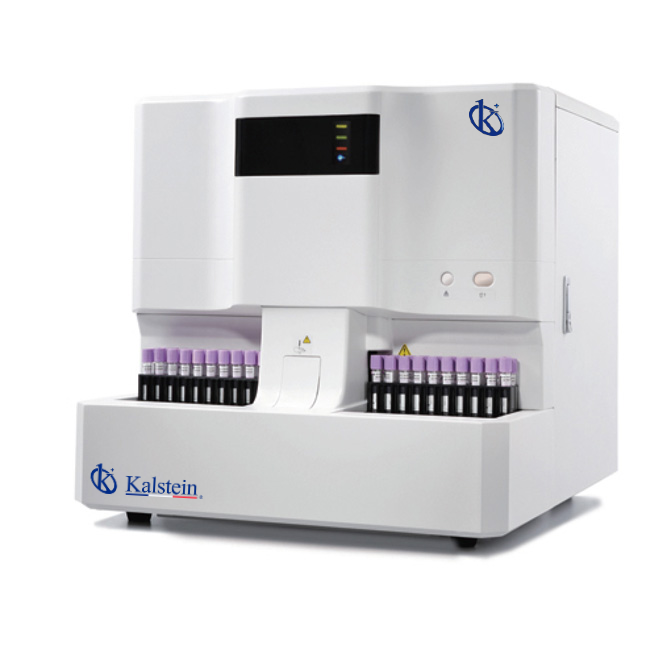
How Can Hematology Analyzers Contribute to Energy Sustainability in Laboratories?
In today’s laboratory settings, the emphasis on energy sustainability and reducing environmental footprints has become increasingly critical. Hematology analyzers play a significant role in achieving these goals by optimizing resource usage and enhancing efficiency. This article delves into how various models of hematology analyzers can contribute to a more sustainable laboratory environment.
The Role of Hematology Analyzers in Energy Sustainability
Hematology analyzers are integral in laboratories where efficiency and accuracy are paramount. These devices not only streamline blood analysis but can also be optimized for energy consumption, waste reduction, and efficient resource management. With advancements in technology, modern analyzers are designed with sustainability in mind, often incorporating features that minimize energy use while maintaining high performance and reliability.
Key Features Supporting Energy Sustainability
Modern hematology analyzers come equipped with various features that support energy sustainability:
- Low Power Consumption: Many contemporary models operate on lower voltage and current, greatly reducing overall energy consumption.
- Efficient Sample Processing: Fast sample processing capabilities minimize the time machines are in operation, thereby decreasing energy use per test.
- Waste Reduction: Advanced technologies in analyzers can reduce reagent and sample waste, leading to less environmental impact.
Energy Consumption Comparison of Selected Models
| Model | Power Consumption (kWh per test) | Sample Processing Speed | Waste Generation | Best Use Case |
|---|---|---|---|---|
| YR06080 | 0.5 | 60 samples/hour | Low | High-demand laboratories |
| YR05123 | 0.45 | 60 samples/hour | Low | Efficiency-focused labs |
| YR05122-1 | 0.4 | 60 samples/hour | Very low | Research and academia |
| YR05122 | 0.35 | 35 samples/hour | Low | Small to medium labs |
Comparison of Available Models
| Model | Key Feature | Sample Capacity | Energy Efficiency | Ideal Environment |
|---|---|---|---|---|
| YR06080 | Advanced technology | 60 samples/hour | High | High throughput labs |
| YR05123 | 3D topographic mapping | 60 samples/hour | High | Busy clinical settings |
| YR05122-1 | 5-part WBC differentiation | 60 samples/hour | Very High | Research labs |
| YR05122 | 3 histogram outputs | 35 samples/hour | Moderate | Small labs |
| YR05121 | Automatic cleaning features | 35 samples/hour | Moderate | Small to medium labs |
| YR05120 | Dual-channel hemoglobin testing | 35 samples/hour | Moderate | Routine analysis |
How Hematology Analyzers Help in Reducing Environmental Footprint
The environmental footprint of laboratory equipment is a crucial consideration in today's eco-friendly initiatives. Hematology analyzers like the YR05122-1 utilize laser scattering technology to achieve accurate results while minimizing sample volume. This not only conserves resources but also leads to significant cost savings over time. Additionally, the incorporation of energy-efficient design elements helps to align laboratory practices with sustainability goals.
Common Mistakes and How to Avoid Them
Laboratories often overlook the importance of energy efficiency when selecting hematology analyzers. One common mistake is not evaluating the total cost of ownership, including energy consumption and waste management. Another is failing to consider the flexibility and adaptability of the analyzer to different laboratory environments. By assessing these factors, laboratories can make informed decisions that align with their sustainability objectives.
Frequently Asked Questions
What are the energy consumption levels of modern hematology analyzers?
Energy consumption levels vary, with models like the YR05122 showing efficiency at around 0.35 kWh per test, making them suitable for labs focused on reducing energy usage.
How can hematology analyzers reduce waste in laboratory settings?
Models such as the YR05122-1 minimize waste through low sample volume requirements and efficient reagent use, which is critical for labs looking to decrease their environmental footprint.
Which hematology analyzer is best for high-demand environments?
The YR06080 is ideal for high-demand environments due to its capacity to process 60 samples per hour while maintaining energy efficiency, making it a sustainable choice.
How do hematology analyzers contribute to sustainability in laboratory operations?
Hematology analyzers contribute to sustainability by reducing energy consumption and waste. For instance, the YR05123 operates efficiently while delivering reliable results.
What factors should be considered when choosing a hematology analyzer for energy efficiency?
When selecting a hematology analyzer, consider energy consumption metrics, sample processing speed, and waste production. Models like the YR05122-1 excel in these areas.
What are the benefits of using energy-efficient hematology analyzers in research labs?
Energy-efficient models like the YR05122 can enhance research lab operations by lowering energy costs and minimizing environmental impacts while ensuring accurate results.
How can laboratories assess the energy sustainability of their hematology analyzers?
Laboratories can evaluate their hematology analyzers by analyzing power consumption per test, comparing models like the YR06080 and YR05123 for efficiency and performance.
What technological features enhance the sustainability of hematology analyzers?
Technological features such as 3D mapping and automated cleaning in models like the YR05123 enhance sustainability by reducing resource usage and improving overall efficiency.
If you are looking for a fusion of innovation and quality, you have come to the right place. At Kalstein, we offer you the luxury of exploring our exclusive catalog of laboratory equipment. We manufacture every device to the highest standards of excellence. Our intuitive and seamless online purchasing channels are designed for your convenience, securing the most competitive prices. Hesitate no longer — we bring science to life, it is time to become part of our community.