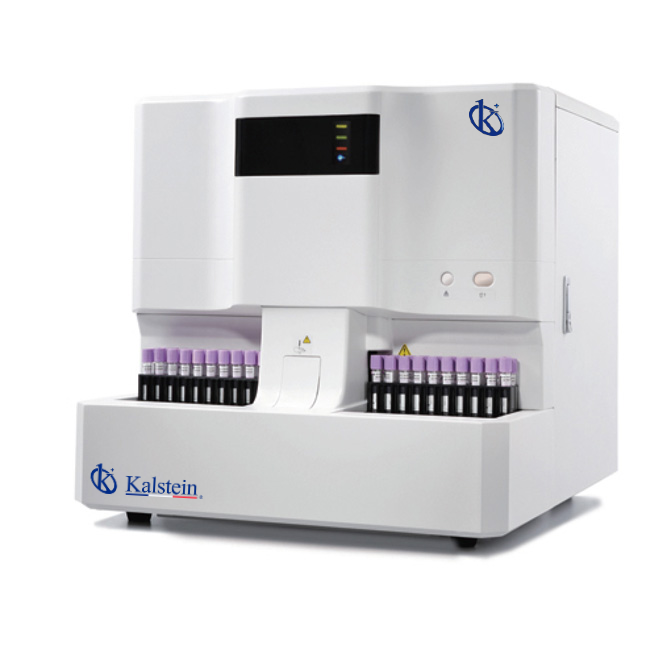
How to Choose Hematology Analyzers for LIMS Integration and Data Workflow Digitalization
The integration of laboratory information management systems (LIMS) with hematology analyzers is crucial for enhancing data workflows in modern laboratories. As demand for efficiency and accuracy in hematological testing increases, selecting the right analyzer becomes essential. This article explores critical factors influencing the choice of hematology analyzers, highlighting models that excel in LIMS integration and data workflow digitalization.
Understanding LIMS Integration in Hematology Analyzers
LIMS integration allows hematology analyzers to communicate with laboratory software systems, facilitating real-time data sharing and management. This integration streamlines the workflow, reducing manual data entry errors and improving turnaround times for test results. Key features to look for in hematology analyzers for effective LIMS integration include connectivity protocols, bidirectional communication, and robust data management capabilities.
Key Connectivity Protocols for Hematology Analyzers
When evaluating hematology analyzers for LIMS integration, it is important to consider the connectivity protocols supported by each device. Common protocols include HL7, ASTM, and REST, which enable seamless communication with various laboratory systems. An analyzer that supports multiple protocols can facilitate easier integration with existing laboratory infrastructure. For example, the Automatic Hematology Analyzer YR06080 supports a variety of protocols, making it suitable for diverse laboratory settings.
Data Workflow Digitalization and Its Benefits
Digitalizing data workflows in laboratories enhances efficiency, improves data accuracy, and streamlines processes. Effective digitalization requires selecting hematology analyzers that not only produce accurate test results but also allow for easy data transfer to LIMS. Features such as barcode scanning, automatic sample tracking, and integrated data reporting are essential for optimizing workflow. The YR05123 model exemplifies this by providing real-time data tracking capabilities and an automated reporting system.
Evaluating Hematology Analyzers for Performance
Performance metrics such as throughput, accuracy, and sample processing time are critical when selecting a hematology analyzer. A high-performance analyzer can significantly impact laboratory productivity. For instance, the Fully automated hematology analyzer YR05121 offers a throughput of up to 60 samples per hour, making it ideal for high-demand laboratory environments. Additionally, assessing ease of use and maintenance requirements is essential for sustained operational efficiency.
Comparative Analysis of Hematology Analyzers
In this section, we will provide a comparative analysis of various hematology analyzers, focusing on their features relevant to LIMS integration and digital workflow.
| Model | Connectivity | Protocols Supported | Integration Effort | Best For |
|---|---|---|---|---|
| YR06080 | High | HL7, ASTM | Moderate | High-demand labs |
| YR05123 | High | REST | Easy | Small to medium labs |
| YR05122-1 | Medium | HL7 | Moderate | Research labs |
| YR05122 | Low | None | High | Budget-conscious labs |
| YR05121 | High | HL7, ASTM | Easy | Hospitals |
| YR05120 | Medium | REST | Moderate | Outpatient clinics |
Common Mistakes and How to Avoid Them
Many laboratories make mistakes when selecting hematology analyzers, often overlooking crucial features that support LIMS integration. One common error is failing to assess the compatibility of the analyzer with existing LIMS. Laboratories should conduct thorough compatibility checks and consult with vendors to ensure seamless integration. Another mistake is neglecting to evaluate the total cost of ownership, including maintenance and operational costs. Additionally, considering user training and support is essential for maximizing the benefits of the chosen analyzer.
Frequently Asked Questions
What are the key features to look for in a LIMS-integrated hematology analyzer?
When selecting a LIMS-integrated hematology analyzer, features such as connectivity protocols (e.g., HL7), data tracking capabilities, and automated reporting systems are crucial. The Automatic Hematology Analyzer YR06080, for example, offers high connectivity and efficient data management, making it suitable for modern laboratories.
How does the throughput of different hematology analyzers impact laboratory efficiency?
Throughput directly affects a laboratory's efficiency by determining how many samples can be processed in a given time. Models like the Fully automated hematology analyzer YR05121 can handle up to 60 samples per hour, significantly improving turnaround times and overall workflow in busy labs.
What protocols should a hematology analyzer support for effective LIMS integration?
For effective LIMS integration, a hematology analyzer should support protocols such as HL7 and ASTM. These protocols enable seamless data sharing between the analyzer and laboratory management systems, enhancing operational efficiency. The YR06080 model is a prime example of an analyzer with robust protocol support.
How can a budget-conscious laboratory select the right hematology analyzer?
A budget-conscious laboratory should evaluate the total cost of ownership of hematology analyzers, including purchase price, maintenance, and operational costs. The YR05122 model is an affordable option that still provides essential testing capabilities, making it ideal for labs with limited budgets.
What role does data tracking play in modern hematology analyzers?
Data tracking is essential for ensuring accuracy and accountability in hematological testing. Modern analyzers, like the YR05123, provide real-time data tracking capabilities, allowing laboratories to monitor sample progress and quickly identify discrepancies, thus improving overall workflow efficiency.
Why is automated reporting important in hematology analyzers?
Automated reporting minimizes manual data entry errors and accelerates communication of test results. This feature is crucial for maintaining efficiency in laboratory workflows. The YR06080 model incorporates advanced reporting capabilities, enabling rapid dissemination of accurate results.
How do different hematology analyzers compare in terms of user-friendliness?
User-friendliness varies among hematology analyzers, with interface design and operational complexity being key factors. Models like the YR05121 are designed with intuitive interfaces, making them easy to operate, thus reducing the learning curve for laboratory staff.
What should laboratories consider when assessing LIMS integration efforts?
Laboratories should consider the compatibility of their existing LIMS with the hematology analyzer, required connectivity protocols, and the integration effort involved. Analyzers like the YR05123 are known for their easy integration, which can save time and resources during implementation.
If you are looking for a fusion of innovation and quality, you have come to the right place. At Kalstein, we offer you the luxury of exploring our exclusive catalog of laboratory equipment. We manufacture every device to the highest standards of excellence. Our intuitive and seamless online purchasing channels are designed for your convenience, securing the most competitive prices. Hesitate no longer — we bring science to life, it is time to become part of our community.