Hematology Reagents: Practical Applications and Techniques 2026
Hematology reagents are vital components in clinical laboratories, serving multiple purposes in the analysis of blood samples. In 2026, the applications of these reagents have expanded, improving diagnostics and patient care. This article aims to provide laboratory professionals with an in-depth understanding of hematology reagents, their uses, techniques, and best practices relevant to contemporary laboratory workflows.
What is it used for in 2026
In 2026, hematology reagents are essential for performing various tests in clinical settings, including complete blood counts (CBC), hemoglobin analysis, and blood cell morphology studies. They facilitate accurate detection of blood components such as red blood cells, white blood cells, and platelets. Furthermore, these reagents enhance the reliability of in vitro diagnostics by ensuring that the reagents effectively lyse red blood cells, dissolve hemoglobin, and prepare samples for analysis.
History and evolution of the technology
The history of hematology reagents dates back to the early 20th century, when laboratory analysis was rudimentary and primarily manual. Over the decades, advancements in chemistry and technology have led to the development of specialized reagents that improve the accuracy and efficiency of blood analysis. The introduction of automated analyzers and sophisticated reagents has revolutionized hematology, allowing for faster testing and more precise results. By 2026, the evolution of these reagents has included refined formulations tailored to specific testing needs, enhancing their effectiveness in clinical applications.
How to use it step by step
Using hematology reagents involves a systematic approach to ensure optimal performance and accurate results. The following steps outline best practices:
- Preparation: Ensure that all reagents are stored properly as per manufacturer guidelines. Check expiration dates and ensure proper labeling.
- Sample Collection: Collect blood samples using standardized protocols. Use appropriate tubes based on the tests to be performed.
- Reagent Mixing: If required, prepare the reagents by mixing them according to the manufacturer's instructions. Some reagents may need to be diluted.
- Testing: Perform the analysis as per the device's operational manual. Follow the specified procedures for loading samples and initiating tests.
- Quality Control: Regularly run control samples to validate the accuracy of the reagents and the analyzer's performance.
- Documentation: Record all results and observations for future reference and compliance with laboratory standards.
Best techniques and protocols
Utilizing the best techniques for handling hematology reagents is crucial in achieving reliable results. These include:
- Following manufacturer's instructions diligently for each reagent used.
- Implementing quality control measures routinely to monitor reagent performance.
- Leveraging automation where possible to reduce human error and improve efficiency.
- Ensuring regular training for laboratory personnel on the latest protocols and safety measures.
- Maintaining a strict inventory management system for reagents to avoid shortages or expired products.
Practical applications by laboratory type
Hematology reagents find applications in various laboratory settings, including:
Clinical Laboratories
In clinical laboratories, hematology reagents are used for routine blood tests, blood typing, and diagnosing blood disorders.
Research Laboratories
Research labs utilize these reagents to explore blood-related diseases, develop new therapies, and conduct epidemiological studies.
Blood Banks
Blood banks rely on hematology reagents for testing donated blood to ensure safety and compatibility for transfusions.
Regulations, standards and certifications
Compliance with regulations and standards is critical for laboratories utilizing hematology reagents. Key regulations include:
- Clinical Laboratory Improvement Amendments (CLIA) for laboratory testing standards.
- ISO 15189 for quality management in medical laboratories.
- Good Laboratory Practices (GLP) to ensure reliability and reproducibility of results.
Laboratories must ensure that reagents comply with these standards and undergo regular audits to maintain certification.
Comparison with alternative technologies
While hematology reagents are essential, there are alternative technologies available. These include:
- Flow Cytometry: A sophisticated method for analyzing cell populations that can provide more detailed information than traditional methods.
- Molecular Diagnostics: Techniques that can detect specific genetic markers related to blood disorders, offering an alternative to conventional hematology tests.
- Automated Hematology Analyzers: Devices that integrate reagents and analysis, providing faster results and reducing manual errors.
Comparison of available models
| Model | Best for | Key specs | Recommended use case |
|---|---|---|---|
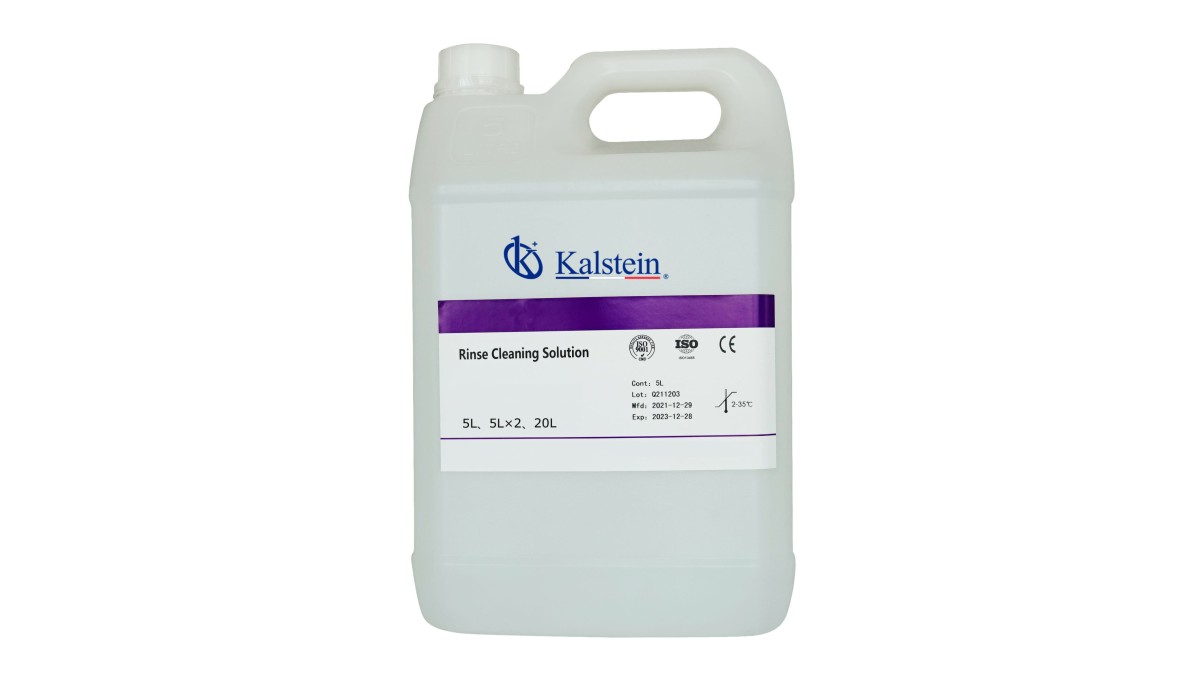
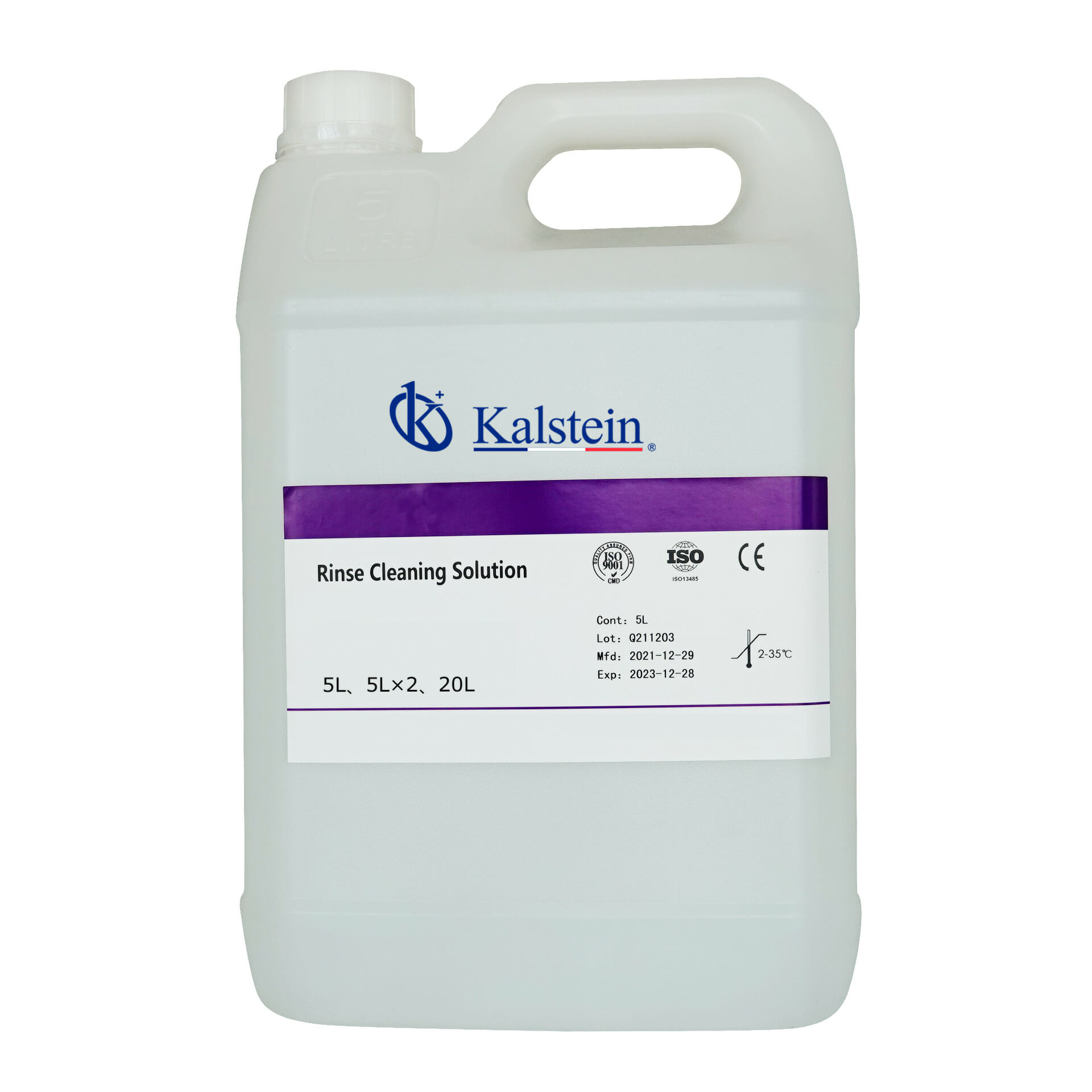
| YRA45 | Cleaning system solutions for blood analyzers | 20L, Diluent | Use in routine maintenance of blood analyzers for reliable results. |
| YRA46 | Cell lysis | 500 ml, Lyse | Ideal for sample preparation in complete blood count tests. |
| YRA47 | Clarifying samples | 5L, 20L, Clarify | Best for improving sample clarity before analysis. |
| YRA48 | EZ cleaner | 100 ml, Cleaner | Use for efficient cleaning of blood analyzers to prevent cross-contamination. |
| YRA49 | Probe cleaner | 50 ml, Probe Cleaner | Recommended for maintaining probe cleanliness to ensure accurate results. |
| YRA50 | General diluent | 20L, Diluent | Best for sample dilution in various hematological tests. |
Common mistakes and how to avoid them
Laboratory professionals often encounter challenges while working with hematology reagents. Common mistakes include:
- Using expired reagents. Always check expiration dates before use.
- Improper storage conditions leading to reagent degradation. Follow storage protocols as per manufacturer instructions.
- Neglecting quality control checks, which can result in inaccurate results. Implement a routine QC program.
By being aware of these common pitfalls, laboratory staff can enhance the reliability of their hematological analyses.
Maintenance, calibration and good practices 2026
Proper maintenance of hematology reagents and associated equipment is crucial to ensure consistent performance. Key practices include:
- Regular calibration of analyzers according to the manufacturer’s recommendations.
- Conducting routine checks of reagent integrity and performance through control tests.
- Maintaining a clean and organized workspace to minimize contamination risks.
Cost-benefit analysis 2026
Investing in high-quality hematology reagents offers significant benefits. While initial costs may be higher, the advantages include:
- Improved accuracy and reliability of test results, leading to better patient care.
- Reduction in repeat tests due to errors, saving time and resources.
- Compliance with regulations required for laboratory accreditation, avoiding potential fines.
Overall, the long-term benefits of using quality reagents significantly outweigh the costs.
Frequently asked questions
What factors should I consider when choosing hematology reagents?
When selecting hematology reagents, consider their compatibility with your analyzer, the specific tests you perform, expiration dates, and the supplier's reputation for quality. Additionally, assess whether the reagents undergo rigorous quality control standards.
How can I ensure the reliability of my hematology test results?
To guarantee reliable results, implement a robust quality control program, regularly calibrate your devices, and ensure that all reagents are stored and handled correctly according to the manufacturer’s recommendations.
What is the importance of regular maintenance for hematology reagents?
Regular maintenance of hematology reagents and equipment is crucial as it prevents degradation of reagents, reduces the risk of cross-contamination, and ensures consistent performance, thus leading to accurate test results.
Can I mix different brands of hematology reagents?
Mixing different brands of reagents is generally not recommended, as each brand may have specific formulations that ensure optimal performance in their respective tests. Always consult with the manufacturer’s guidelines to avoid incompatibilities.
How often should I perform quality control tests on hematology reagents?
Quality control tests should be performed regularly, ideally with every batch of tests conducted, and at the beginning of each shift to validate the performance of reagents and ensure consistent test accuracy.
What should I do if I suspect reagent deterioration?
If you suspect reagent deterioration, stop using the reagent immediately, document your findings, and contact the supplier for guidance. Follow your laboratory’s protocols for disposing of expired or deteriorated reagents safely.
How can I request a quote for hematology reagents?
To request a quote for hematology reagents, you can contact your supplier directly or visit their website to fill out a quote request form. Ensure to provide details about your laboratory's needs and the specific reagents you are interested in.
If you are looking for a fusion of innovation and quality, you have come to the right place. At Kalstein, we offer you the luxury of exploring our exclusive catalog of laboratory equipment. We manufacture every device to the highest standards of excellence. Our intuitive and seamless online purchasing channels are designed for your convenience, securing the most competitive prices. Hesitate no longer — we bring science to life, it is time to become part of our community.