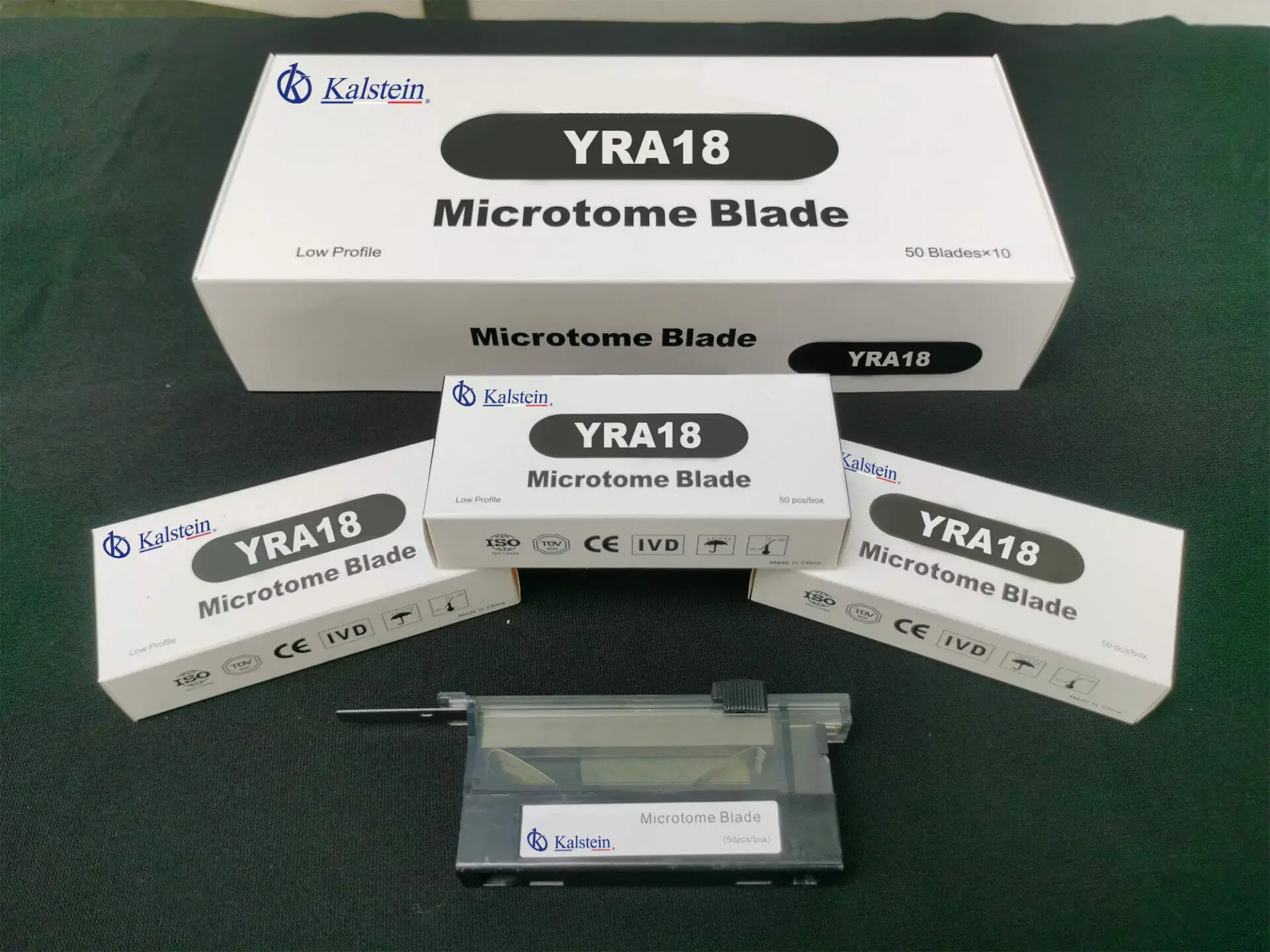
Histopathology Accessories And Consumables Package: A Practical Step-by-Step Guide for 2026
In the realm of histopathology, ensuring quality and efficiency in sample processing is paramount. The right accessories and consumables can significantly improve laboratory workflows. This guide delves into the various accessories and consumables available, providing a comprehensive understanding of their applications, usage, and best practices in the year 2026.
What is it used for in 2026
In 2026, histopathology accessories and consumables are crucial for various laboratory functions, including tissue processing, sectioning, and embedding. High-quality consumables help minimize errors and enhance the accuracy of diagnoses. They are employed in multiple applications such as:
- Tissue sample preparation for microscopic examination.
- Improving efficiency in biopsy processing.
- Ensuring consistency in staining and analysis.
- Facilitating high-throughput workflows in clinical settings.
History and evolution of the technology
The technology behind histopathology accessories has evolved significantly over the years. Initially, histopathology relied on basic tools and techniques, but advancements in materials and manufacturing processes have led to the development of specialized accessories. The introduction of disposable microtome blades, for instance, has revolutionized tissue sectioning, providing enhanced precision and reducing contamination risks. Modern advancements continue to focus on developing consumables that ensure high-quality results while optimizing laboratory efficiency.
How to use it step by step
The following steps outline how to effectively use histopathology accessories and consumables in a laboratory setting:
- Select Appropriate Consumables: Choose the right type of microtome blade (like YRA18-1 or YRA19-1) based on the tissue type and desired section thickness.
- Prepare Tissue Samples: Ensure that tissue samples are adequately fixed and embedded using the tissue embedding cassette (YRA20-1).
- Sectioning: Use a microtome equipped with the chosen blade to cut thin sections of the embedded tissue.
- Mounting: Place the sections on glass slides and cover them with a cover glass.
- Staining: Apply appropriate staining techniques to enhance visibility under a microscope.
- Analysis: Examine the prepared slides using a microscope and document findings for diagnostic purposes.
Best techniques and protocols
Adopting the best techniques when using histopathology accessories ensures optimal results. Some recommended protocols include:
- Microtome Usage: Regularly calibrate and maintain microtomes to ensure uniform section thickness.
- Embedding Protocols: Follow standardized protocols for tissue embedding to avoid shrinkage and distortion.
- Staining Techniques: Utilize high-quality reagents and follow established staining protocols to achieve consistent results.
Practical applications by laboratory type
Different laboratory types utilize histopathology accessories for various applications:
- Clinical Laboratories: Focus on rapid processing of biopsy samples and routine analyses.
- Research Laboratories: Emphasize detailed histological studies and experimental tissue analyses.
- Veterinary Laboratories: Utilize similar techniques for animal tissue sample processing.
Regulations, standards and certifications
In 2026, laboratories must adhere to strict regulations and standards to ensure quality and safety. Key regulations include:
- ISO standards for laboratory equipment and consumables.
- Regulatory compliance with FDA and CE marking for diagnostic tools.
- Best practices outlined by organizations like CAP (College of American Pathologists).
Comparison with alternative technologies
When compared to alternative technologies, histopathology accessories offer numerous advantages, including:
- Disposable microtome blades offer consistent sharpness, eliminating the need for sharpening.
- Embedding cassettes provide a secure method for tissue processing, unlike traditional embedding methods.
- Granular paraffin provides superior infiltration compared to older wax formulations.
Comparison of available models
| Model | Best for | Key specs | Recommended use case |
|---|---|---|---|
| YRA18-1 | Low profile microtome blade | 250 boxes | Best for routine sectioning of standard tissue samples. |
| YRA19-1 | High profile microtome blade | 40 boxes | Ideal for cutting larger or denser tissue samples. |
| YRA20-1 | Tissue embedding cassette | 9000 pieces | Recommended for embedding various tissue types efficiently. |
| YRA21-1 | Plastic cassette with plastic cover | 4000 pieces | Suitable for long-term storage of tissue samples. |
| YRA33-2 | Paraffin block | 10kgs (20 boxes)/Carton | Used for embedding tissue samples during processes. |
| YRA33-3 | Granular paraffin | 10 KG (10 bags)/Carton | For high-quality embedding of delicate samples. |
Common mistakes and how to avoid them
Laboratory professionals often encounter pitfalls when using histopathology accessories. Common mistakes include:
- Poor Blade Selection: Always choose the appropriate microtome blade based on tissue characteristics.
- Inconsistent Embedding: Ensure that embedding procedures are standardized to avoid sample distortion.
- Insufficient Cleaning: Regularly clean equipment to prevent contamination and ensure accuracy.
Maintenance, calibration and good practices 2026
To ensure longevity and accuracy, follow these maintenance practices:
- Regularly check and calibrate microtomes to maintain section quality.
- Store consumables in a controlled environment to prevent degradation.
- Keep detailed records of maintenance schedules and usage patterns.
Cost-benefit analysis 2026
Investing in high-quality histopathology accessories can yield significant benefits:
- Quality Assurance: Enhanced accuracy in diagnostic results.
- Operational Efficiency: Reduced processing time and increased throughput.
- Cost Savings: Minimized waste and rework costs associated with lower-quality consumables.
Frequently asked questions
What are the key advantages of using disposable microtome blades?
Disposable microtome blades offer consistent performance, eliminate the need for sharpening, and reduce contamination risks, leading to higher-quality sections.
How do I choose the right tissue embedding cassette?
Select a tissue embedding cassette based on the sample type and size, ensuring it provides adequate support and sealing for proper processing.
What maintenance is required for microtomes?
Regular calibration, cleaning, and inspection of blades and components are necessary to maintain optimal performance and section quality.
Are there specific protocols for staining tissue sections?
Yes, established staining protocols should be followed to ensure consistent results, including the use of high-quality reagents.
How can I ensure high-quality results in my histopathology lab?
Utilizing high-quality consumables, following standardized protocols, and maintaining equipment are key factors for ensuring high-quality results.
What should I avoid when using histopathology consumables?
Avoid using expired or improperly stored consumables, as this can negatively impact results. Additionally, ensure that all processes are standardized to prevent variability.
Where can I find a reliable supplier for histopathology accessories?
It is important to choose suppliers known for high-quality products and reliable customer service. You might want to request a quote on Kalstein Plus for competitive pricing.
If you are looking for a fusion of innovation and quality, you have come to the right place. At Kalstein, we offer you the luxury of exploring our exclusive catalog of laboratory equipment. We manufacture every device to the highest standards of excellence. Our intuitive and seamless online purchasing channels are designed for your convenience, securing the most competitive prices. Hesitate no longer — we bring science to life, it is time to become part of our community.