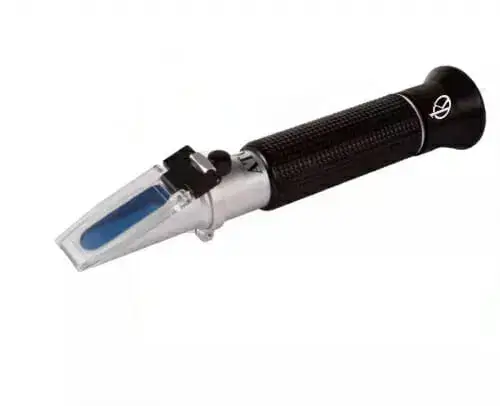
Honey Refractometers: Practical Applications and Techniques 2026
Honey refractometers are essential instruments designed specifically for measuring the sugar content in honey and related products. This guide will delve into the practical applications, historical evolution, how to use these devices, best techniques and protocols, as well as maintenance practices that ensure accuracy and longevity. Whether you are a laboratory professional or involved in biotechnological research, this comprehensive overview aims to enhance your understanding of honey refractometers in 2026.
What is it used for in 2026
In 2026, honey refractometers are primarily used in laboratories and the food industry to monitor the sugar concentration in honey and related products. They assist in assessing the quality of honey, ensuring it meets regulatory standards, and determining the optimal harvest time by measuring the maturity of the product. Furthermore, these devices provide critical data for food processing and packaging, which is essential for maintaining product quality and safety.
History and evolution of the technology
The evolution of refractometry dates back to the early 19th century, with the first devices created for measuring various liquids. Honey refractometers specifically emerged as a response to the need for accurate sugar content measurement in honey production. Over the years, advancements in optical technology and materials have led to improved precision and user-friendliness, making these instruments vital in both academic and commercial laboratories.
How to use it step by step
Using a honey refractometer involves several straightforward steps:
- Calibration: Before use, calibrate the refractometer according to the manufacturer's instructions to ensure accurate readings.
- Sample Preparation: Collect a honey sample, ensuring it is free from air bubbles and impurities.
- Applying Sample: Place a few drops of honey onto the prism surface of the refractometer.
- Reading Measurement: Close the cover, look through the eyepiece, and read the Brix value or other measurements indicated.
- Cleaning: Clean the prism with a soft cloth after each use to maintain accuracy and prevent contamination.
Best techniques and protocols
To achieve the best results with honey refractometers, consider these techniques:
- Ensure samples are at the correct temperature, as temperature variations can affect readings.
- Use a consistent methodology for sample collection and testing to ensure repeatability of results.
- Record measurements accurately and compare results against established standards for quality assurance.
Practical applications by laboratory type
Honey refractometers find applications in various laboratory settings:
- Food Quality Control Labs: Used for ensuring honey meets industry standards.
- Research Laboratories: Employed in studies focusing on sugar content and its effects on product quality.
- Agricultural Testing Facilities: Assist in determining the optimal harvest time based on honey maturity.
Regulations, standards and certifications
In 2026, various regulatory bodies set standards for honey quality that include specific sugar content requirements. Compliance with these standards ensures the safety and reliability of honey products in the market. Laboratories using honey refractometers must adhere to these regulations and may require certification from recognized organizations.
Comparison with alternative technologies
While honey refractometers are the standard for measuring honey sugar content, alternative technologies include:
- Hydrometers: Measure liquid density but require larger sample volumes and can be less accurate.
- Digital Refractometers: Offer electronic readings and potentially more features but at a higher cost.
Comparison of available models
| Model | Best for | Key Specs | Recommended Use Case |
|---|---|---|---|
| YR05885 | High sugar content evaluation | 58-92% Brix, ±0.5% accuracy | Quality control in honey production |
| YR05885-1 | Multiple syrup types | 58-92% Brix, ±0.5% accuracy | Testing varied sugar products |
| YR05885-2 | General honey analysis | 58-92% Brix, ±0.5% accuracy | Routine laboratory assessments |
| YR05886 | Low water content detection | 10-30% water, ±0.10% accuracy | Precision analysis for quality testing |
Common mistakes and how to avoid them
Common mistakes when using honey refractometers include:
- Not calibrating before use, which can lead to inaccurate readings.
- Using samples that are not at the correct temperature.
- Failing to clean the refractometer after each use, which can contaminate future samples.
To avoid these pitfalls, always follow calibration protocols, ensure samples are prepared correctly, and maintain your equipment regularly.
Maintenance, calibration and good practices 2026
Proper maintenance of honey refractometers is crucial for accurate measurements:
- Clean the prism and body with a soft, dry cloth after each use.
- Store the device in a protective case to prevent damage.
- Calibrate regularly, especially before critical measurements.
Cost-benefit analysis 2026
Investing in a honey refractometer offers significant advantages, including:
- Improved product quality through accurate sugar content analysis.
- Increased efficiency in laboratory workflows with quick and reliable results.
- Reduced waste and enhanced compliance with industry standards.
While the initial cost may vary, the benefits often outweigh the investment, making these tools indispensable in modern laboratories.
Frequently asked questions
What should I consider when choosing a honey refractometer?
When selecting a honey refractometer, consider the measurement range, accuracy, and ease of use. Ensure it meets your specific testing requirements.
How often should I calibrate my refractometer?
Calibration should be done before each use and whenever there are significant temperature changes to ensure accuracy.
Can I use a honey refractometer for other liquids?
While primarily designed for honey, some refractometers can be used for other sugar-related liquids. However, ensure compatibility to avoid inaccurate readings.
What are the common indicators of faulty readings?
Indicators of faulty readings include inconsistent measurements, readings that do not match expected values, and issues with the calibration process.
How can I extend the lifespan of my refractometer?
Extend your refractometer's lifespan by maintaining it properly, cleaning after each use, and storing it securely.
Is there a need for specialized training to use a honey refractometer?
While basic training may be beneficial, most users can effectively operate a honey refractometer with a good understanding of its calibration and measurement process.
Where can I request a quote for a honey refractometer?
You can request a quote through the appropriate channels where honey refractometers are sold, ensuring you get the best price and service.
If you are looking for a fusion of innovation and quality, you have come to the right place. At Kalstein, we offer you the luxury of exploring our exclusive catalog of laboratory equipment. We manufacture every device to the highest standards of excellence. Our intuitive and seamless online purchasing channels are designed for your convenience, securing the most competitive prices. Hesitate no longer — we bring science to life, it is time to become part of our community.