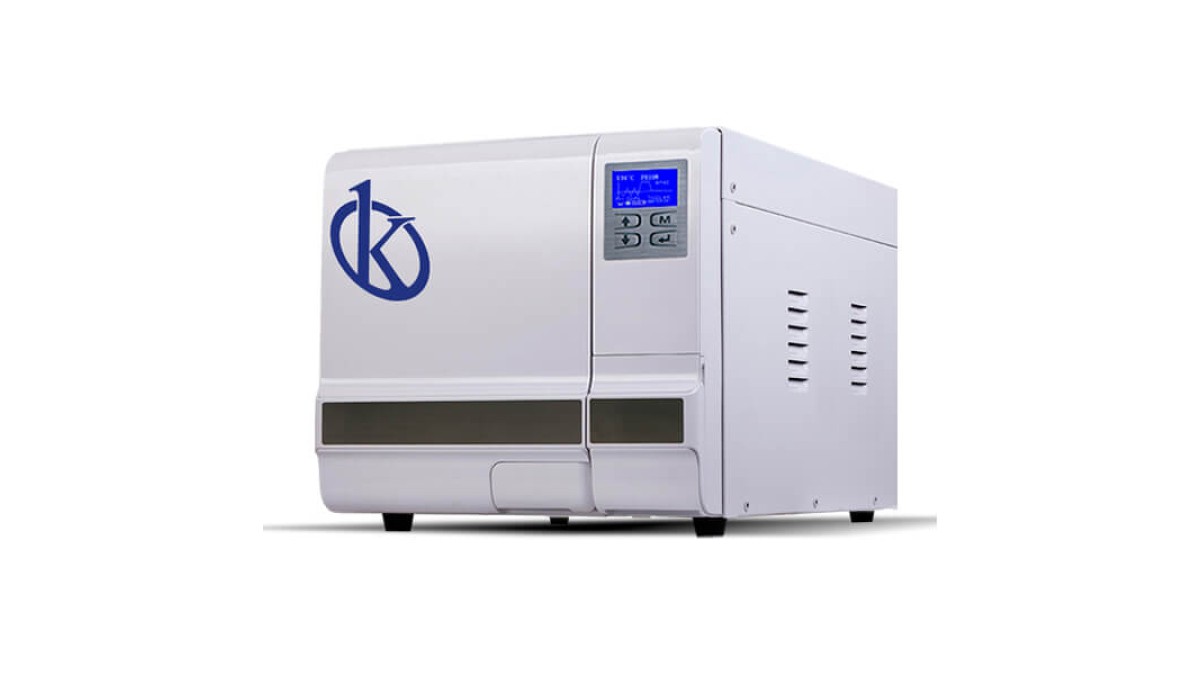
Horizontal Autoclaves: Best Techniques and Protocols in 2026
In the world of laboratory equipment, horizontal autoclaves play a crucial role in ensuring sterilization and safety. As we step into 2026, laboratory professionals are keen to understand how to best utilize these devices for optimal results. This article aims to guide you through the various applications, techniques, and best practices associated with horizontal autoclaves.
What is it used for in 2026
Horizontal autoclaves are primarily used for the sterilization of laboratory tools and equipment. They are especially beneficial for larger volumes of materials, making them ideal for hospitals, veterinary clinics, and beauty salons. With the latest advancements in technology, these autoclaves offer improved efficiency and ease of use, ensuring a higher standard of sterilization. In 2026, the focus is on enhancing safety protocols, accommodating various types of materials, and meeting stringent regulatory standards.
History and evolution of the technology
Autoclaves have evolved significantly since their inception in the early 19th century. Initially used for food preservation, they found their way into medical and laboratory settings by the late 1800s. With each decade, advancements in materials, control systems, and safety features have transformed autoclaves into highly sophisticated sterilization tools. The introduction of horizontal designs allowed for increased capacity and efficiency, marking a significant milestone in sterilization technology.
How to use it step by step
Using a horizontal autoclave requires methodical steps to ensure effective sterilization. Here’s a step-by-step guide:
- Preparation: Clean and organize items for sterilization. Ensure they are suitable for autoclaving.
- Loading: Place items inside the autoclave chamber, ensuring that steam can circulate freely.
- Setting Parameters: Select the appropriate sterilization cycle based on the items and load size.
- Running the Cycle: Start the autoclave and monitor the process. Ensure pressure and temperature reach the necessary levels.
- Cooling and Unloading: Once the cycle is complete, allow the autoclave to cool before unloading the sterilized items.
- Documentation: Record the sterilization cycle parameters for compliance and quality assurance.
Best techniques and protocols
To achieve the best results with horizontal autoclaves, adhere to the following protocols:
- Utilize pre-vacuum cycles for porous loads to ensure air removal.
- Regularly validate and calibrate autoclaves to maintain performance standards.
- Use appropriate packaging materials compatible with sterilization processes.
- Incorporate biological indicators to ensure effective sterilization.
- Implement routine maintenance checks to avoid malfunctions.
Practical applications by laboratory type
Horizontal autoclaves have diverse applications across various laboratory settings:
- Medical Laboratories: Sterilizing surgical instruments, glassware, and culture media.
- Veterinary Clinics: Ensuring all tools and equipment are free of pathogens before procedures.
- Beauty Salons: Sterilizing tools such as scissors and combs to maintain hygienic standards.
- Research Facilities: Preparing media and equipment for microbiological research.
Regulations, standards and certifications
Compliance with regulations is vital for effective sterilization. In 2026, the following standards should be adhered to:
- ISO 13485 for medical devices.
- EN 13060 for small sterilizers.
- FDA regulations for sterilization processes.
- Local health department guidelines for sanitization in beauty and veterinary establishments.
Comparison with alternative technologies
While horizontal autoclaves are effective, alternative sterilization technologies exist:
- Dry Heat Sterilization: Useful for heat-stable items but requires longer cycles.
- Ethylene Oxide: Suitable for heat-sensitive items, but has higher safety concerns.
- Radiation Sterilization: Commonly used in industrial settings but less practical for small labs.
Comparison of available models
| Model | Best for | Key specs | Recommended use case |
|---|---|---|---|
| YR03387 | Small laboratories and salons | 8 L, 2 trays, 220/110V | Ideal for small tool sterilization. |
| YR03388 | General medical use | 12 L, 3 trays, 220/110V | Good for diverse medical instruments. |
| YR03389 | Medium laboratories | 18 L, 3 trays, 220/110V | Best for larger batches of sterilization. |
| YR03390 | Research facilities | 23 L, 3 trays, 220/110V | Suitable for research and development. |
| YR03385C | Large medical facilities | 29 L, 3 trays, 220/110V | Effective for high volumes of sterilization. |
| YR03385B | Industrial applications | 45 L, 3 trays, 220/110V | Designed for extensive sterilization needs. |
Common mistakes and how to avoid them
Laboratory professionals often encounter mistakes that can compromise sterilization efficacy. Here are common errors and how to avoid them:
- Incorrect loading: Ensure items are not overcrowded to allow steam penetration.
- Inadequate cycle selection: Choose the correct sterilization cycle for the items being processed.
- Ignoring routine maintenance: Schedule regular checks to maintain autoclave performance.
- Skipping documentation: Always log cycle data for compliance and future reference.
Maintenance, calibration and good practices 2026
To ensure longevity and efficacy of horizontal autoclaves, follow these maintenance and calibration practices:
- Perform daily checks of the water level and pressure settings.
- Calibrate the temperature and pressure gauges regularly.
- Clean the chamber after each use to prevent residue buildup.
- Review and update sterilization protocols annually to ensure compliance.
Cost-benefit analysis 2026
Investing in a horizontal autoclave can have significant long-term benefits. Here’s a simple cost-benefit analysis:
- Initial Investment: The cost ranges from $750 to $2800 based on capacity and features.
- Operational Costs: Monthly costs may include water, electricity, and maintenance.
- Benefits: Enhanced efficiency, compliance with health standards, and extended lifespan of laboratory tools.
Frequently asked questions
What are the key features to look for in a horizontal autoclave?
When selecting a horizontal autoclave, consider its capacity, ease of use, control systems, and compliance with safety standards.
How often should I perform maintenance on my autoclave?
Daily checks are recommended, with more comprehensive maintenance performed monthly or quarterly depending on usage.
Can I sterilize different types of materials in the same cycle?
It is best to separate materials that require different sterilization conditions to ensure efficacy and prevent damage.
How do I know if my autoclave is functioning correctly?
Regular calibration and monitoring of cycle indicators will help ensure your autoclave operates correctly; use biological indicators for added verification.
What safety measures should I take when using an autoclave?
Always wear appropriate personal protective equipment, follow manufacturer guidelines, and keep the autoclave area clear of obstructions.
What is the average lifespan of a horizontal autoclave?
With proper maintenance, a horizontal autoclave can last anywhere from 10 to 20 years.
Where can I find reliable autoclave models for purchase?
You can compare and request quotes for various models from reputable laboratory equipment suppliers.
If you are looking for a fusion of innovation and quality, you have come to the right place. At Kalstein, we offer you the luxury of exploring our exclusive catalog of laboratory equipment. We manufacture every device to the highest standards of excellence. Our intuitive and seamless online purchasing channels are designed for your convenience, securing the most competitive prices. Hesitate no longer — we bring science to life, it is time to become part of our community.