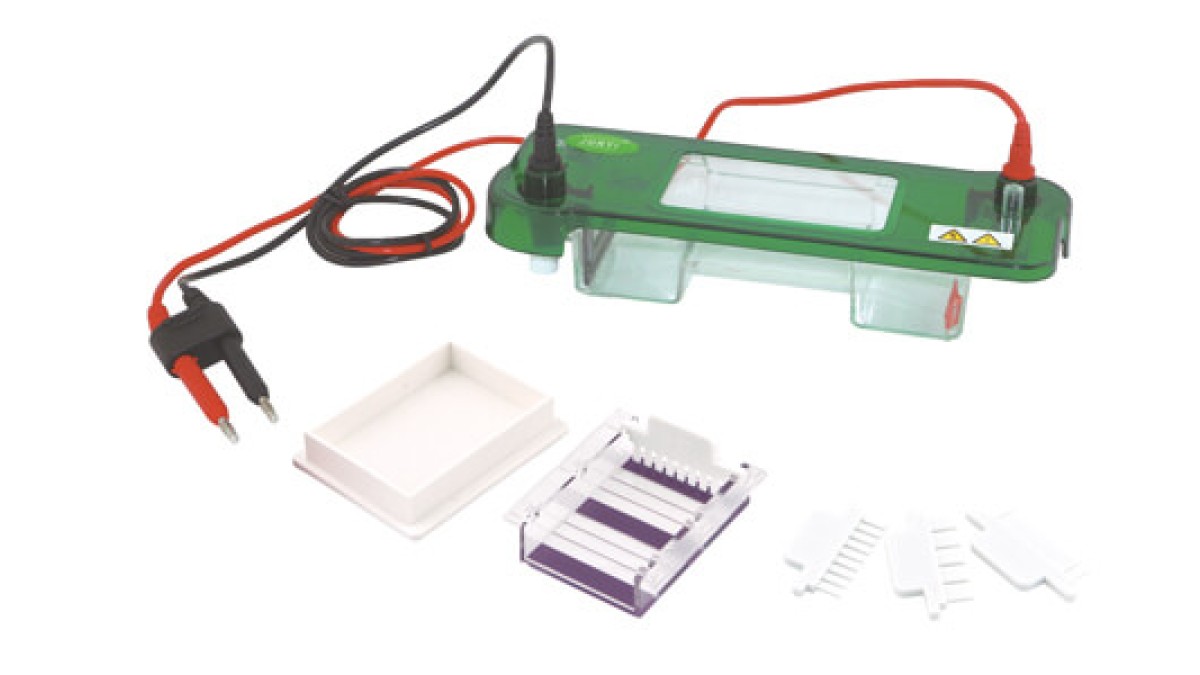
Horizontal Electrophoresis: Understanding Applications and Best Practices in 2026
What is it used for in 2026
Horizontal electrophoresis is a powerful technique used in laboratories to separate nucleic acids or proteins based on their size and charge. In 2026, it has become increasingly relevant in various fields such as molecular biology, genetics, biochemistry, and forensic science due to its ability to provide high-resolution results. It is particularly effective for analyzing DNA fragments, RNA and proteins, thus playing a crucial role in research, diagnostics, and therapeutic development.
History and evolution of the technology
The history of electrophoresis can be traced back to the early 20th century, evolving from simple techniques to highly sophisticated and automated systems seen today. Early applications focused on basic separation methods, but significant advancements occurred in the 1970s with the introduction of agarose gels, which allowed for better resolution of nucleic acids. The development of more user-friendly equipment and the incorporation of computer technology in data analysis have further enhanced the capabilities of horizontal electrophoresis, making it a mainstay in modern laboratories.
How to use it step by step
Using horizontal electrophoresis involves several key steps:
- Preparation of Gel: Choose the appropriate agarose gel concentration based on the size of the DNA or protein to be analyzed. Prepare the gel solution by mixing agarose powder with buffer solution and heating until fully dissolved.
- Casting the Gel: Pour the melted agarose into a casting tray with a comb to create wells for sample loading. Allow the gel to solidify at room temperature.
- Sample Preparation: Mix the samples with loading dye to visualize them during electrophoresis. If necessary, dilute samples to the appropriate concentration.
- Loading Samples: Once the gel is solidified, carefully remove the comb and load samples into the wells using a micropipette.
- Running the Gel: Place the gel in the electrophoresis tank filled with the appropriate buffer and connect the power supply. Set the voltage and run the gel until the desired separation is achieved.
- Staining the Gel: After electrophoresis, remove the gel and stain it with a specific dye (e.g., ethidium bromide for DNA) for visualization.
- Analysis: Use a UV transilluminator to visualize the separated bands and analyze the results.
Best techniques and protocols
To ensure optimal results with horizontal electrophoresis, adhere to the following protocols:
- Always calibrate and maintain equipment regularly to ensure accuracy.
- Use freshly prepared buffers to avoid degradation and changes in pH.
- Optimize gel concentrations based on the size of the molecules being analyzed, typically ranging from 0.5% to 3% agarose.
- Run controls alongside samples to validate results.
Practical applications by laboratory type
The applications of horizontal electrophoresis vary across different laboratory environments:
- Molecular Biology Labs: Used for DNA fragment analysis, PCR product verification, and cloning procedures.
- Clinical Labs: Essential for diagnosing genetic disorders, analyzing blood samples, and studying protein markers.
- Research Laboratories: Utilized in various studies related to gene expression, mutation analysis, and forensic analysis.
Regulations, standards and certifications
Horizontal electrophoresis equipment must comply with safety and quality standards established by regulatory bodies. In many regions, adherence to ISO certifications and Good Laboratory Practices (GLP) is essential to ensure reliable and reproducible results. Regular audits and maintenance of laboratory equipment are required to maintain compliance.
Comparison with alternative technologies
While horizontal electrophoresis is widely used, alternative separation technologies include:
- Capillary Electrophoresis: Provides higher resolution and faster separation compared to traditional methods, but requires more complex instrumentation.
- Chromatography: Useful for purifying proteins and other biomolecules, but often involves more steps and time than electrophoresis.
Comparison of available models
| Model | Best for | Key specs | Recommended use case |
|---|---|---|---|
| YR03415 | General electrophoresis experiments | Gel Size: 186x205mm, Sample Volume: 3-9, Buffer Volume: ~150ml | Versatile applications including DNA and RNA separation |
| YR03416 | Small sample analysis | Gel Size: 78x100mm, Sample Volume: 10-15, Buffer Volume: ~400ml | Ideal for precise small volume experiments |
| YR03417 | Diverse sample sizes | Multiple gel sizes, Sample Volume: 3-25, Buffer Volume: ~550ml | Suitable for a range of applications requiring varied sample sizes |
| YR03418 | High-volume experiments | Gel Size: 140x140mm, Sample Volume: 1-29, Buffer Volume: ~900ml | Perfect for large sample sizes and high throughput |
| YR03419 | Medium to large samples | Gel Size: 130x130mm, Sample Volume: 3-26, Buffer Volume: ~600ml | Good for mixed experiments and varied applications |
| YR03420 | Large scale electrophoresis | Gel Size: 200x200mm, Sample Volume: 17-44, Buffer Volume: ~1800ml | Best for high-capacity experiments |
Common mistakes and how to avoid them
Laboratory professionals often encounter pitfalls that can compromise the integrity of their electrophoresis results. Here are some common mistakes and tips to avoid them:
- Using old buffers: Always prepare fresh buffers to ensure consistent results.
- Overloading wells: Avoid loading too much sample as this can lead to distorted bands. Follow recommended volumes.
- Poor gel preparation: Ensure proper gel concentration is used; testing a range may help find the optimal condition.
- Neglecting temperature control: Running electrophoresis at elevated temperatures can affect separation; keep within recommended voltage settings.
Maintenance, calibration and good practices 2026
For optimal performance from horizontal electrophoresis equipment, regular maintenance is essential:
- Calibrate equipment regularly to ensure accuracy in voltage and current readings.
- Clean tanks and electrodes after each use to prevent contamination.
- Store equipment in a controlled environment to avoid damage from extreme temperatures and humidity.
Cost-benefit analysis 2026
When considering the costs associated with horizontal electrophoresis, it is essential to weigh the initial investment against the benefits provided:
- Initial Costs: Equipment costs can vary widely based on capabilities and features.
- Operational Costs: Regular consumables, such as agarose and buffers, should be factored into budgeting.
- Benefits: Efficient separation and analysis save time and improve outcomes, making these systems valuable in research and diagnostics.
Frequently asked questions
What type of samples can be analyzed using horizontal electrophoresis?
Horizontal electrophoresis is primarily used for analyzing DNA, RNA, and proteins. It is versatile enough to handle a wide range of sample types depending on the gel and buffer used.
How do I choose the right model for my laboratory?
Consider the sample sizes and types you will be analyzing, the volume of samples, and the throughput you need. Models with larger gel sizes are better for high-volume experiments.
Can horizontal electrophoresis be automated?
Yes, some advanced models offer automation features that streamline the process, reducing manual handling and improving reproducibility.
What are common troubleshooting steps if results are inconsistent?
Check buffer preparation, gel concentration, sample loading technique, and ensure the power supply is functioning correctly. Maintaining equipment regularly helps avoid issues.
How often should I perform maintenance on my equipment?
Regular maintenance should be conducted after each use, with a thorough inspection and calibration performed at recommended intervals, typically every few months.
Is it necessary to stain the gel after running electrophoresis?
Yes, staining is necessary to visualize the separated molecules, allowing for analysis and documentation of results.
Where can I find reliable horizontal electrophoresis equipment?
Reliable equipment can be sourced from trusted manufacturers. Request a quote to explore options available for your laboratory needs.
If you are looking for a fusion of innovation and quality, you have come to the right place. At Kalstein, we offer you the luxury of exploring our exclusive catalog of laboratory equipment. We manufacture every device to the highest standards of excellence. Our intuitive and seamless online purchasing channels are designed for your convenience, securing the most competitive prices. Hesitate no longer — we bring science to life, it is time to become part of our community.