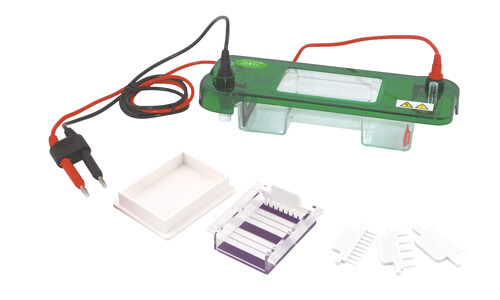
How to Utilize Horizontal Electrophoresis for University Research Projects
Horizontal electrophoresis is a versatile and essential technique widely used in academic research and various laboratory settings. This method provides researchers with a reliable platform for separating nucleic acids and proteins, which is crucial in molecular biology, genetics, and biochemistry studies. In this article, we will explore the benefits of using horizontal electrophoresis in university research, compare various models available in the market, and discuss common mistakes to avoid.
Understanding Horizontal Electrophoresis in Academic Research
Horizontal electrophoresis allows researchers to visualize and analyze biomolecules effectively. It is particularly useful in university laboratories where teaching and research projects require reproducible results. This technique facilitates the separation of DNA, RNA, and proteins based on size and charge, making it a fundamental tool in genetics research, cloning, and protein analysis.
Applications of Horizontal Electrophoresis in Research Projects
University research projects can benefit significantly from horizontal electrophoresis in several ways:
- Thesis Projects: Students can utilize this technology for their thesis projects, ensuring accurate and replicable results that meet academic standards.
- Multi-User Scheduling: Horizontal electrophoresis systems can accommodate multiple users, allowing various research groups to perform their experiments simultaneously.
- Low-Budget Configurations: By selecting appropriate models, laboratories can integrate horizontal electrophoresis into their workflows without excessive costs.
Key Features to Look for in Horizontal Electrophoresis Systems
When selecting a horizontal electrophoresis system, there are several key features to consider:
- Flexibility: The system should be adaptable to different gel sizes and configurations to meet the diverse needs of academic research.
- Ease of Use: A user-friendly design will facilitate its integration into educational settings where students may be new to electrophoresis.
- Sample Capacity: Adequate capacity to handle multiple samples ensures efficiency during experiments.
Comparison of Available Models
| Model | Gel Size (mm) | Sample Volume (ml) | Buffer Volume (ml) | Dimensions (mm) | Net Weight (Kg) | Price (USD) |
|---|---|---|---|---|---|---|
| YR03415 | 186x205 | 3, 5, 9 | ~150 | 250 x 90 x 50 | 0.4 | 81.00 |
| YR03416 | 78x100 | 10, 15 | ~400 | 365 x 105 x 55 | 0.6 | 136.80 |
| YR03417 | 60x60; 120x60; 60x120; 120x120 | 3, 6, 8, 11, 13, 18, 25 | ~550 | 300 x 160 x 75 | 1.1 | 183.00 |
| YR03418 | 140x140; 140x70; 70x70 | 1, 2, 3, 6, 14, 8, 17, 13, 29 | ~900 | 390 x 187 x 63 | 2.0 | 201.00 |
| YR03419 | 130x130; 78x100; 48x75 | 3, 5, 10, 15, 13, 26 | ~600 | 305 x 152 x 80 | 1.7 | 201.00 |
| YR03420 | 200x200; 200x150; 200x100 | 17, 22, 36, 44 | ~1800 | 397 x 230 x 93 | 3.3 | 330.60 |
Common Mistakes and How to Avoid Them
When utilizing horizontal electrophoresis in research projects, it is crucial to avoid common pitfalls:
- Inadequate Sample Preparation: Proper sample preparation is essential for obtaining accurate results. Ensure that samples are free from contaminants and appropriately sized.
- Improper Gel Concentration: Using the wrong gel concentration can affect the separation of biomolecules. It is important to choose the right agarose percentage based on the size of the target molecules.
- Ignoring Buffer Conditions: Not monitoring the pH and ionic strength of the running buffer can lead to inconsistent results. Regularly check buffer conditions to ensure optimal performance.
Frequently Asked Questions
What are the best practices for using horizontal electrophoresis in academic research?
Best practices include ensuring proper sample preparation, selecting the appropriate gel concentration, and monitoring buffer conditions. Models like YR03416 provide flexibility and ease of use, which is ideal for academic environments.
How does model YR03420 enhance throughput in university laboratories?
The YR03420 model supports larger gel sizes and sample volumes, allowing researchers to run multiple samples simultaneously, thereby increasing throughput. Its design optimally accommodates high volume buffer needs for efficient experiments.
What should I consider when purchasing a horizontal electrophoresis unit for my laboratory?
Consider features like gel size compatibility, sample capacity, and ease of use. The YR03419 model offers a good balance of these factors, making it suitable for academic research projects.
Which horizontal electrophoresis models are best for low-budget academic settings?
For low-budget configurations, models like YR03415 and YR03416 are more economical yet still provide reliable performance for basic electrophoresis needs in academic settings.
How can horizontal electrophoresis contribute to reproducibility in research findings?
Using standardized protocols and models like YR03418 helps ensure consistent results across experiments, enhancing the reproducibility of research findings essential in academic research.
What features make YR03417 suitable for multi-user academic laboratories?
The YR03417 model offers flexibility in gel sizes and sample volumes, making it adaptable for various users’ needs in multi-user academic laboratories, thus fostering collaboration.
How does horizontal electrophoresis facilitate DNA and RNA analysis in academic research?
This technique allows clear separation and visualization of nucleic acids, essential for genetic studies. Models such as YR03420 are particularly effective due to their larger gel capacity.
What are the key specifications to look for in a horizontal electrophoresis system?
Look for gel size compatibility, sample and buffer volumes, and overall dimensions. The YR03416 model meets many of these specifications effectively while remaining user-friendly.
If you are looking for a fusion of innovation and quality, you have come to the right place. At Kalstein, we offer you the luxury of exploring our exclusive catalog of laboratory equipment. We manufacture every device to the highest standards of excellence. Our intuitive and seamless online purchasing channels are designed for your convenience, securing the most competitive prices. Hesitate no longer — we bring science to life; it is time to become part of our community.