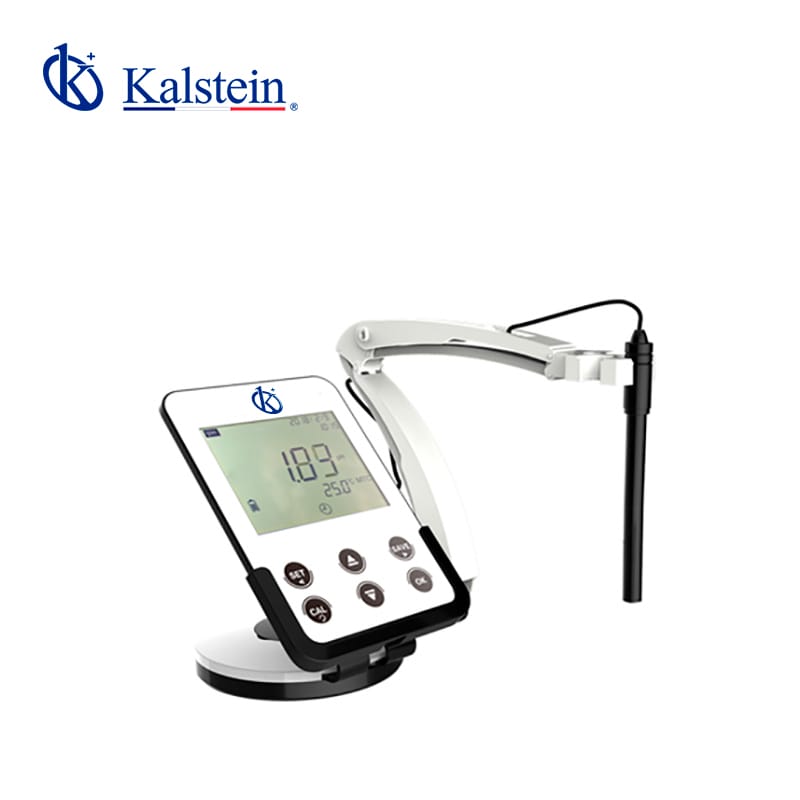
How Does the YR01826 pH/Ion Meter Operate? Understanding Its Scientific Principles
The YR01826 pH/Ion Meter is a sophisticated instrument designed for precise measurement of pH and ion concentrations in various solutions. Understanding the principles of operation behind this device is crucial for users to achieve accurate results and troubleshoot effectively when necessary. This article delves into the scientific fundamentals of the YR01826, explaining its operational mechanisms, design choices, and how it compares to alternative technologies.
Principles of pH Measurement
At its core, the YR01826 operates on the principles of electrochemistry. The pH meter works by measuring the hydrogen ion activity in a solution, which is a direct indicator of acidity or alkalinity. The fundamental equation governing this measurement is the Nernst equation, which relates the measured voltage to the pH level:
E = E0 - (RT/nF) * ln(aH+) where:
- E: the measured voltage
- E0: standard electrode potential
- R: universal gas constant (8.314 J/(mol·K))
- T: absolute temperature in Kelvin
- n: number of electrons transferred in the half-reaction
- F: Faraday’s constant (96485 C/mol)
- aH+: activity of hydrogen ions
This equation demonstrates how the meter translates the chemical activity of ions into a readable voltage, which is then converted to a pH value by the device’s internal microprocessor.
Design Features of the YR01826
The YR01826 comes equipped with a variety of features that enhance its functionality and usability. Its 5-inch LCD display provides a clear visual of measurements from a distance of up to 5 meters. The automatic temperature compensation (ATC) feature ensures that readings remain accurate across varying temperatures, a crucial aspect of pH measurement, as pH values can fluctuate with temperature changes.
Another significant design choice is the inclusion of a microprocessor chip, which enables automatic calibration and data storage. Users can store up to 200 sets of data, including readings and timestamps, which can be transferred via USB for further analysis. This functionality is particularly beneficial in laboratory environments where record-keeping and data integrity are paramount.
Comparing YR01826 with Traditional pH Meters
Traditional pH meters often require manual calibration and lack advanced features such as ATC and data logging. The YR01826 sets itself apart by integrating these features, thereby improving accuracy and user experience. Moreover, its ability to recognize different electrodes and support a wide variety of buffer solutions (up to 15 types) makes it a versatile tool in both clinical and industrial settings.
In contrast to analog meters, which may provide inconsistent readings due to human error during calibration, the YR01826's automated processes minimize the chance of operator-induced errors, leading to more reliable results.
Calibration Process
Calibration is essential for maintaining the accuracy of the YR01826. The device allows for calibration at 1, 2, or 3 points, accommodating various standards to ensure optimal performance. During calibration, the device compensates for electrode drift and environmental factors. Users should follow these steps for calibration:
- Prepare calibration solutions at known pH levels.
- Immerse the electrode in the first calibration solution.
- Follow the on-screen prompts to complete the calibration procedure.
- Repeat for additional calibration points as needed.
This multi-point calibration improves accuracy, allowing the YR01826 to provide precise measurements even in complex solutions.
Environmental Considerations for Usage
The YR01826 is designed to operate effectively within specific environmental conditions. It is important to maintain the operational temperature range of 0 to 100 °C and humidity levels below 85%. Users should also ensure that the device is kept away from extreme vibrations, electromagnetic interference, and exposure to corrosive environments to prolong its lifespan.
Technical Specifications of the YR01826
| Parameter | Description |
|---|---|
| Model | YR01826 |
| Measuring Range (pH) | (-2~19.999)pH |
| Resolution | 0.1/0.01pH |
| Accuracy | ±0.02 pH |
| Temperature Compensation Range | (0~100) °C, auto/manual |
| Display | 5-Inch white backlit LCD screen |
| Data Storage Capability | 200 sets |
| Power Supply | DC 5V/1A |
Frequently Asked Questions
What is the typical lifespan of the YR01826 pH/Ion Meter?
The YR01826 is designed for long-term use, with a typical lifespan exceeding five years, provided it is maintained correctly. Regular calibration and proper storage can significantly enhance its longevity.
How do I troubleshoot common issues with the YR01826?
Common troubleshooting includes checking the power supply if the device does not turn on, verifying connections, and recalibrating if readings are inconsistent. Refer to the troubleshooting guide for specific symptoms and solutions.
Can the YR01826 connect to a computer for data transfer?
Yes, the YR01826 features two USB interfaces, allowing it to connect to a PC for data transfer and charging. This feature simplifies data management and archiving.
How does automatic temperature compensation work in the YR01826?
Automatic Temperature Compensation (ATC) adjusts the measurements according to the temperature of the sample being tested. This ensures accurate readings regardless of temperature fluctuations in the environment.
What types of electrodes are compatible with the YR01826?
The YR01826 can recognize various electrodes, especially those with integrated chips for data storage. It supports standard 3.5 mm electrode connections, making it versatile for different applications.
What calibration standards can I use with the YR01826?
The device supports the recognition of 15 buffer solutions, catering to both European and NIST standards, facilitating accurate calibration across different regions and requirements.
How often should I calibrate my YR01826 pH/Ion Meter?
It is recommended to calibrate the YR01826 before each set of measurements, particularly if it has not been used for a while or if it has been exposed to varying environmental conditions.
If you are looking for a fusion of innovation and quality, you have come to the right place. At Kalstein, we offer you the luxury of exploring our exclusive catalog of laboratory equipment. We manufacture every device to the highest standards of excellence. Our intuitive and seamless online purchasing channels are designed for your convenience, securing the most competitive prices. Hesitate no longer — we bring science to life, it is time to become part of our community.