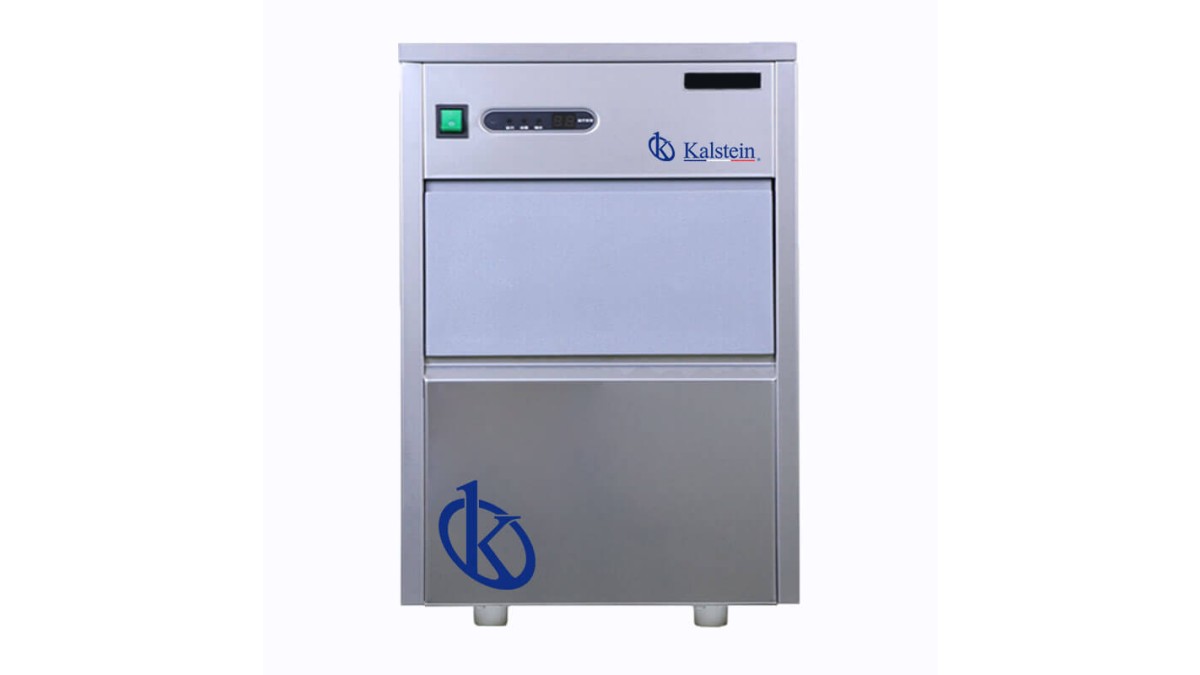
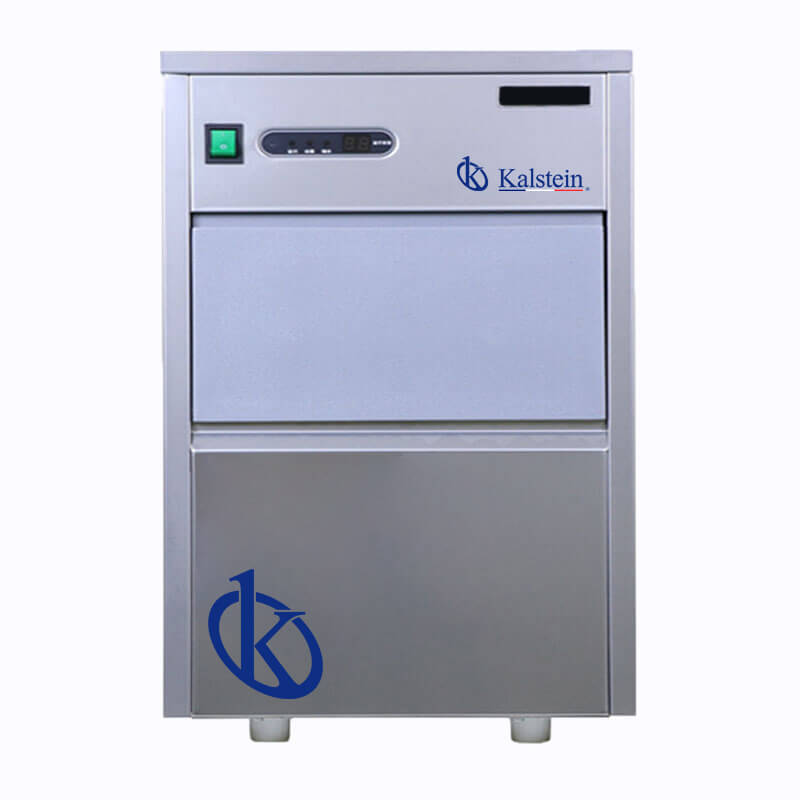
Ice Machines: Practical Applications and Techniques 2026
What is it used for in 2026
In 2026, ice machines play a crucial role in various laboratory settings, including medical, chemical, and biological laboratories. They are essential for producing and storing large quantities of ice, which is necessary for numerous applications such as preserving samples, cooling reagents, and conducting experiments that require controlled temperatures. The utilization of ice machines enhances operational efficiency and ensures the integrity of sensitive materials.
History and evolution of the technology
The technology behind ice machines has evolved significantly over the years. Initially, laboratories relied on manual ice production methods, which were labor-intensive and time-consuming. With advancements in refrigeration technology, ice machines were developed to automate the ice-making process. Over time, innovations such as the introduction of high-quality stainless steel, energy-efficient compressors, and computerized control systems have improved the performance and reliability of these machines, making them indispensable in modern laboratories.
How to use it step by step
1. **Setup**: Ensure the ice machine is placed on a level surface and connected to a proper water supply and power source.
2. **Power On**: Switch on the machine and set the desired ice production parameters using the control panel.
3. **Water Supply**: Check the water supply to make sure it meets the machine's requirements for optimal operation.
4. **Ice Production**: Monitor the production process, ensuring that the machine is running smoothly and efficiently.
5. **Storage**: Once ice is produced, transfer it to an appropriate storage container if necessary, or let it accumulate within the machine's storage compartment.
6. **Maintenance**: Regularly clean and maintain the ice machine to prevent malfunctions and ensure longevity.
Best techniques and protocols
When using ice machines, it is essential to follow best practices to maximize their effectiveness:
- Regularly inspect the machine for leaks or malfunctions.
- Clean the water reservoir and storage compartment to prevent contamination.
- Ensure that the machine is calibrated correctly to maintain optimal ice quality.
- Document ice production levels for inventory management and compliance with laboratory standards.
Practical applications by laboratory type
Ice machines have varied applications across different types of laboratories:
- Medical Laboratories: Used for preserving biological samples and reagents that require low temperatures.
- Chemical Laboratories: Essential for cooling reaction vessels and preventing exothermic reactions from overheating.
- Biological Laboratories: Used in experiments involving temperature-sensitive cultures and cellular components.
Regulations, standards and certifications
Laboratories must adhere to specific regulations and standards regarding the use and maintenance of ice machines. Compliance with safety standards, such as those set by relevant health and safety authorities, ensures that laboratory operations remain safe and effective. Regular audits and certifications should be conducted to verify that all equipment, including ice machines, meets required operational criteria.
Comparison with alternative technologies
While ice machines are highly effective, alternative technologies such as dry ice and refrigerated coolers are also utilized in laboratories:
- Dry Ice: Effective for short-term cooling but requires careful handling and storage.
- Refrigerated Coolers: Suitable for certain applications but may not provide the same level of ice production efficiency as dedicated ice machines.
Comparison of available models
| Model | Best for | Key specs | Recommended use case |
|---|---|---|---|
| YR05130 | Small to medium labs | 20 Kg/24h, 10 Kg storage, 280 W | Ideal for educational and smaller medical labs needing reliable ice production. |
| YR05131 | Small medical applications | 30 Kg/24h, 10 Kg storage, 300 W | Best for labs requiring a higher ice output for clinical use. |
| YR05132 | Medium laboratories | 40 Kg/24h, 15 Kg storage, 360 W | Perfect for laboratories that handle larger sample volumes. |
| YR05133 | Advanced biological research | 50 Kg/24h, 15 Kg storage, 380 W | Suitable for research labs focusing on extensive biological studies. |
| YR05134 | High-output laboratories | 60 Kg/24h, 25 Kg storage, 420 W | Ideal for high-demand environments needing continuous ice supply. |
| YR05135 | Very high-demand applications | 70 Kg/24h, 25 Kg storage, 460 W | Best for laboratories requiring high throughput in ice production. |
Common mistakes and how to avoid them
To ensure efficient and safe operation of ice machines, here are some common mistakes to avoid:
- Neglecting regular maintenance and cleaning, which can lead to contamination.
- Overloading the storage compartment, which may affect ice quality.
- Failing to monitor water quality, leading to mineral buildup and machine damage.
Maintenance, calibration and good practices 2026
To maintain high performance in 2026, consider the following:
- Implement a routine cleaning schedule using food-safe cleaning agents.
- Calibrate the machine regularly to ensure accurate ice production settings.
- Check for any signs of wear and tear on components and address them promptly.
Cost-benefit analysis 2026
When evaluating the cost-effectiveness of ice machines, consider factors such as:
- Initial purchase price vs. longevity and efficiency of the machine.
- Reduced labor costs due to automated ice production.
- Potential savings from energy-efficient models.
Frequently asked questions
What should I consider when choosing an ice machine for my lab?
Consider factors such as the volume of ice needed, the types of applications, energy consumption, and the available space in your laboratory.
How often should I clean my ice machine?
It is recommended to clean your ice machine every few weeks or more frequently if the machine is used heavily to maintain hygiene and operational efficiency.
Can I use tap water in my ice machine?
Yes, most ice machines are designed to work with tap water, but it's essential to ensure that the water quality meets the manufacturer's specifications.
How can I extend the lifespan of my ice machine?
Regular maintenance, including cleaning and calibration, along with proper usage, can significantly extend the lifespan of your ice machine.
Is it necessary to have an ice machine certified for laboratory use?
Yes, using certified equipment helps ensure compliance with safety standards and provides reliability in laboratory processes.
What are the energy considerations for ice machines?
When selecting an ice machine, consider the energy consumption ratings. Energy-efficient models can reduce operational costs over time.
How does ice production capacity affect my lab's workflow?
A higher ice production capacity can streamline workflows in high-demand labs, reducing wait times and ensuring that ice is readily available for immediate use.
If you are looking for a fusion of innovation and quality, you have come to the right place. At Kalstein, we offer you the luxury of exploring our exclusive catalog of laboratory equipment. We manufacture every device to the highest standards of excellence. Our intuitive and seamless online purchasing channels are designed for your convenience, securing the most competitive prices. Hesitate no longer — we bring science to life, it is time to become part of our community.