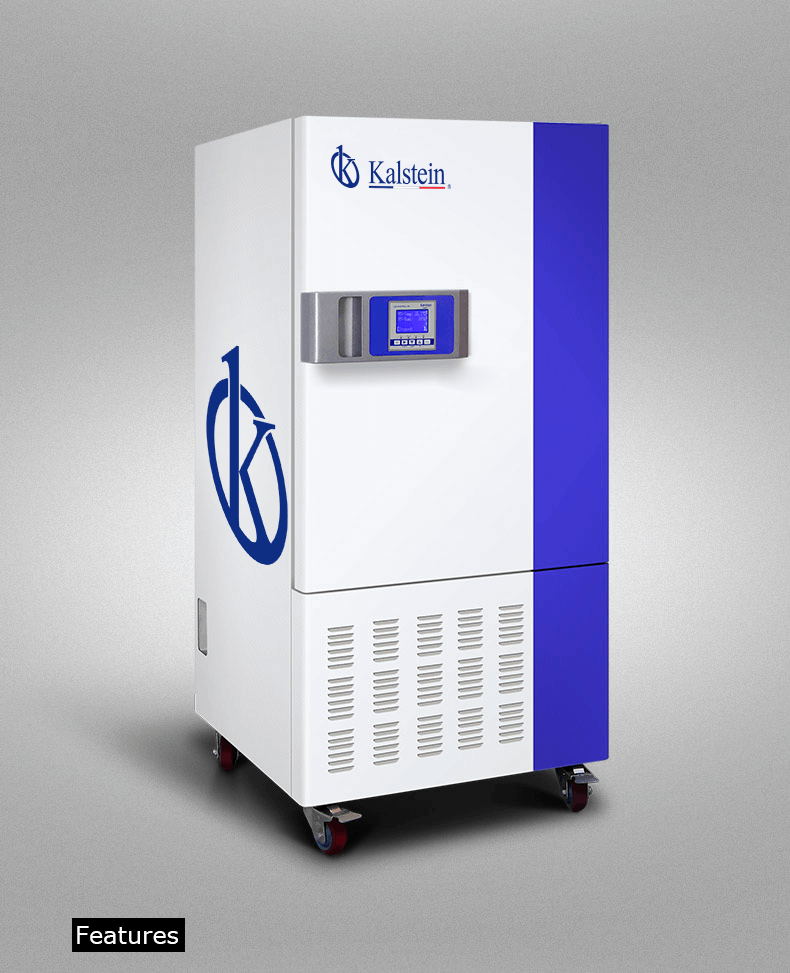
Illumination Drug Stability Test Chambers: Applications in Research, Biotechnology, and Academia 2026
Illumination Drug Stability Test Chambers are essential tools for pharmaceutical companies, biotechnology firms, and academic institutions focused on drug development and testing. These chambers are designed to evaluate drug stability under various lighting conditions, following strict protocols to ensure product integrity over time. In this article, we will explore their applications, the technology's evolution, usage protocols, and much more, tailored for laboratory professionals needing practical insights for 2026.
What is it used for in 2026
In 2026, Illumination Drug Stability Test Chambers are utilized primarily for assessing the stability of pharmaceuticals under specific lighting conditions. These chambers simulate various environmental factors that drugs may encounter, including light exposure. The results from these tests help determine the efficacy and safety of drugs over their intended shelf life, ensuring compliance with regulatory standards.
History and evolution of the technology
The technology behind illumination drug stability testing has evolved significantly over the years. Initially, simple light exposure tests were conducted using basic setups that lacked precision. As the pharmaceutical industry grew and regulatory demands increased, the need for sophisticated testing chambers became apparent. Today, modern chambers feature enhanced controls, including PID microprocessor systems, accuracy in temperature management, and adjustable light intensity, allowing for more reliable and repeatable results.
How to use it step by step
Using an Illumination Drug Stability Test Chamber involves several key steps:
- Preparation: Ensure the chamber is clean and calibrated according to manufacturer specifications.
- Loading Samples: Place your pharmaceutical samples inside the chamber, ensuring proper placement for even light exposure.
- Setting Parameters: Program the chamber to the desired temperature, humidity, and light intensity settings. Refer to the product guidelines for specific recommendations.
- Monitoring: Regularly check the chamber conditions throughout the test duration, documenting any fluctuations or anomalies.
- Data Analysis: Once the testing period is complete, analyze the results to assess drug stability and make informed decisions regarding product formulation and packaging.
Best techniques and protocols
Best practices for using Illumination Drug Stability Test Chambers include:
- Always calibrate the chamber before use.
- Follow a standardized protocol for sample preparation and handling.
- Document all conditions and results meticulously.
- Implement control samples to compare against test samples.
- Regularly maintain the equipment to ensure longevity and reliability.
Practical applications by laboratory type
Different laboratories employ Illumination Drug Stability Test Chambers based on their specific needs:
- Pharmaceutical Companies: Use these chambers for final product testing before market release.
- Biotechnology Firms: Evaluate the stability of biopharmaceuticals that are sensitive to light.
- Academic Institutions: Conduct research studies on drug formulation and stability under varying conditions.
Regulations, standards and certifications
Illumination Drug Stability Test Chambers must comply with various regulations and standards, including but not limited to:
- Good Manufacturing Practice (GMP)
- International Conference on Harmonisation (ICH) guidelines
- ISO standards for laboratory equipment and testing
Comparison with alternative technologies
While Illumination Drug Stability Test Chambers are specialized for light stability testing, alternatives like traditional stability chambers or environmental simulation chambers can be used as well. However, these alternatives often lack the precise light control necessary for thorough assessments.
Comparison of available models
| Model | Best for | Key specs | Recommended use case |
|---|---|---|---|
| YR05353 | General drug stability testing | 10~65 ℃ (with light), 0~60 ℃ (without light) | Long-term stability studies |
| YR05353-1 | Higher precision studies | 0.1℃ accuracy, ±0.5℃ fluctuation | Accelerated testing for sensitive compounds |
| YR05353-2 | High-volume testing | 0~6000LX light range | Testing multiple product lines concurrently |
Common mistakes and how to avoid them
Some common mistakes include:
- Failing to calibrate the chamber regularly, leading to inaccurate results.
- Not documenting test conditions properly, which can invalidate results.
- Overloading the chamber with samples, preventing proper airflow.
- Neglecting to perform maintenance checks, which can affect performance.
Maintenance, calibration and good practices 2026
Regular maintenance and calibration are vital for optimal performance:
- Calibrate the temperature and light settings monthly.
- Clean the interior and exterior regularly to prevent contamination.
- Inspect seals and gaskets to ensure a tight closure and proper insulation.
- Maintain a log of all maintenance and calibration activities.
Cost-benefit analysis 2026
Investing in Illumination Drug Stability Test Chambers can be viewed as a long-term cost-saving measure. Although the initial investment may be substantial, the ability to ensure drug stability and efficacy can prevent costly recalls and enhance product trustworthiness in the market. Additionally, these chambers can streamline testing processes, ultimately saving time and resources.
Frequently asked questions
What should I consider when choosing an Illumination Drug Stability Test Chamber?
Consider the chamber's specifications, such as temperature range, light intensity, and capacity, as well as the types of pharmaceuticals you plan to test.
How often should I calibrate the Illumination Drug Stability Test Chamber?
It is recommended to calibrate the chamber at least monthly or before any critical testing to ensure accuracy.
Can I perform other types of stability tests in the same chamber?
While these chambers are specialized for light stability testing, they can often handle temperature and humidity tests, but verify the specifications first.
What are the common environmental factors affecting drug stability?
Common environmental factors include light exposure, temperature fluctuations, and humidity levels.
Is maintenance expensive for these chambers?
Regular maintenance is typically not overly expensive; however, neglecting it can lead to costly repairs, so budgeting for routine checks is advisable.
Are there any specific training requirements for using these chambers?
Training on specific operational procedures, safety protocols, and data analysis techniques is essential to maximize the chamber's use and ensure compliance with standards.
For those interested in enhancing their laboratory capabilities, requesting a quote for Illumination Drug Stability Test Chambers can be a great next step.
If you are looking for a fusion of innovation and quality, you have come to the right place. At Kalstein, we offer you the luxury of exploring our exclusive catalog of laboratory equipment. We manufacture every device to the highest standards of excellence. Our intuitive and seamless online purchasing channels are designed for your convenience, securing the most competitive prices. Hesitate no longer — we bring science to life, it is time to become part of our community.