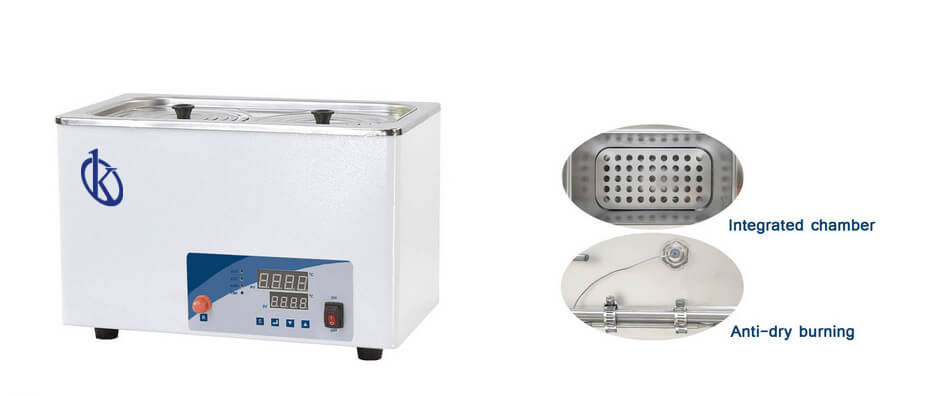
How to Implement Predictive Maintenance and Calibration for Water Baths
Water baths are essential instruments in various laboratory settings, facilitating numerous applications from incubating samples to maintaining precise temperatures. However, to maximize their efficiency and ensure longevity, implementing predictive maintenance and regular calibration is paramount. This article will delve into the importance of these practices, how they can be effectively applied to water baths, and a comparative analysis of popular models available in the market.
Understanding Predictive Maintenance and Its Importance
Predictive maintenance involves using data analysis tools and techniques to detect anomalies in equipment operation and potential defects in equipment before they lead to failures. This proactive approach helps prevent unexpected downtime, reduces maintenance costs, and extends the lifespan of laboratory equipment.
For water baths specifically, predictive maintenance can help maintain temperature accuracy and operational efficiency. This is crucial in laboratories where consistency is key, such as in biochemical assays or cell culture applications.
Calibration: Ensuring Accuracy and Compliance
Calibration is the process of adjusting the precision of an instrument by comparing it with a known standard. For water baths, this is vital because temperature fluctuations can affect experimental results.
Regular calibration ensures compliance with industry standards such as ISO 17025, which requires laboratories to maintain the validity of their measurements. By adhering to these standards, laboratories can guarantee high-quality results and build trust with clients and regulatory bodies.
How Predictive Maintenance and Calibration Interconnect
Both predictive maintenance and calibration serve to enhance the reliability and accuracy of water baths. Predictive maintenance identifies potential issues that could affect calibration, while consistent calibration ensures that any predictive maintenance activities are based on accurate performance data.
Implementing both practices leads to a more streamlined operation, minimizing waste and maximizing output. Laboratories can allocate resources more effectively when they understand their equipment's performance trends.
Comparison of Available Models
| Model Code | Type | Temperature Range | Calibration Features | Best For |
|---|---|---|---|---|
| YR05073 | Water Bath | RT +5~100 °C | PID Control, Timer | General Laboratory Use |
| YR05074 | Water Bath | RT +5~100 °C | PID Control, Timer | General Laboratory Use |
| YR030L | Water Bath Shaker | RT~100°C | High Precision Control | Biological Applications |
| YR05001 | Circulator Pump | -35-200 °C | Digital Control | Chemical Reactions |
| YR05002 | Circulator Pump | -35-200 °C | Digital Control | Chemical Reactions |
| YR05003 | Circulator Pump | -35-200 °C | Digital Control | Chemical Reactions |
Common Mistakes and How to Avoid Them
One common mistake in laboratory practices is neglecting the calibration of water baths regularly. Failing to calibrate can lead to inaccurate temperature readings, adversely affecting experimental outcomes. It's crucial to establish a routine calibration schedule based on usage frequency and criticality.
Another mistake is overlooking the benefits of predictive maintenance. Lab managers should analyze operational data to identify patterns and potential failures. Employing a monitoring system can provide alerts for necessary maintenance, thus preventing unexpected equipment downtime.
Frequently Asked Questions
What are the benefits of predictive maintenance for water baths in laboratories?
Predictive maintenance enhances the reliability of water baths, preventing unexpected breakdowns and extending their lifespan. Models like YR05073 and YR05074 rely on PID control for precise temperature management, which is essential for maintaining consistent lab conditions. This approach reduces maintenance costs and improves overall efficiency.
How often should water baths be calibrated to ensure compliance with ISO 17025?
Water baths should typically be calibrated at least once a year to comply with ISO 17025, depending on usage intensity. Models such as YR030L provide high precision control, aiding in meeting these compliance requirements effectively.
What is the typical temperature range for laboratory water baths?
Most laboratory water baths, including models like YR05073 and YR05074, typically operate within a temperature range of RT +5~100 °C. This range allows for various applications, from incubations to heating samples.
How can I determine the best water bath model for my laboratory needs?
Consider factors such as temperature range, calibration features, and application type when selecting a water bath. Models like YR030L are ideal for biological applications, while the circulator pumps YR05001, YR05002, and YR05003 are better suited for chemical reactions requiring precise temperature control.
What are common issues faced with water baths and how can they be mitigated?
Common issues include inaccurate temperature readings and equipment failures. Regular calibration and implementing predictive maintenance using models like YR05073 can help identify and solve potential problems before they escalate.
What role does calibration play in laboratory water bath operations?
Calibration ensures that water baths operate within specified temperature ranges, crucial for accurate results in experiments. Using models like YR05074 with features allowing for precision calibration can enhance reliability and compliance with industry standards.
How do I set up a predictive maintenance schedule for my water baths?
To establish a predictive maintenance schedule, monitor operational data, identify trends, and schedule maintenance based on these insights. Using models like YR030L with high precision control can help gather the necessary data for effective predictive maintenance planning.
What are the consequences of not properly calibrating water baths?
Failure to calibrate water baths can lead to inaccurate temperature settings, which may compromise experimental integrity. It is essential to calibrate models like YR05073 routinely to ensure compliance and reliable results.
If you are looking for a fusion of innovation and quality, you have come to the right place. At Kalstein, we offer you the luxury of exploring our exclusive catalog of laboratory equipment. We manufacture every device to the highest standards of excellence. Our intuitive and seamless online purchasing channels are designed for your convenience, securing the most competitive prices. Hesitate no longer — we bring science to life, it is time to become part of our community.