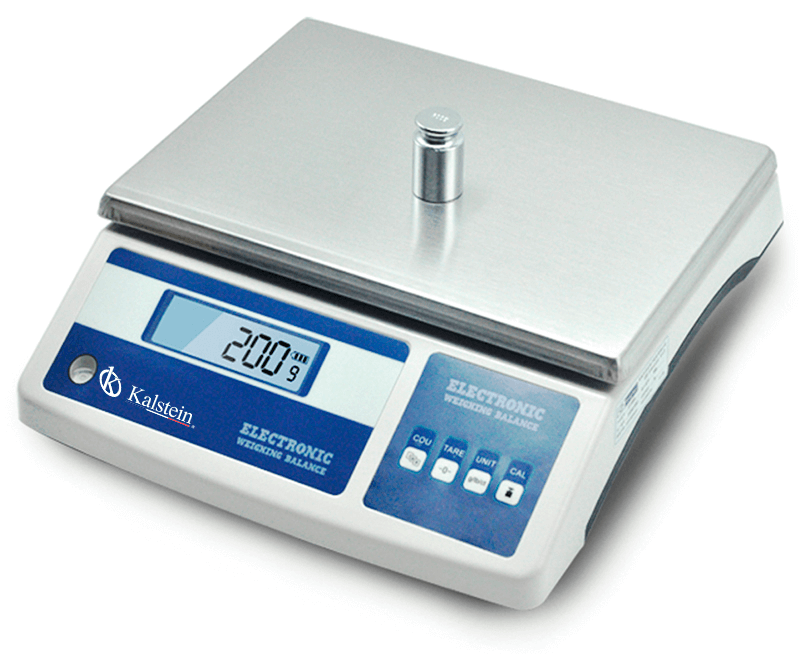
How to Choose the Right Industrial Balance for University Research Projects
In the realm of university research, the selection of appropriate laboratory equipment is vital for the success of any project. Industrial balances play a critical role in ensuring accurate measurements, which are essential for reproducibility and reliability in research outcomes. This article discusses the importance of industrial balances in academic settings, focusing on their various applications and how to select the most suitable model for specific research needs.
The Importance of Industrial Balances in Academic Research
Industrial balances are crucial tools in many scientific disciplines, including chemistry, biology, and engineering. They provide precise measurements that are fundamental for experiments, sample preparations, and data analysis. In university settings, these balances enable students and researchers to engage in experiments that require accurate weight measurements, such as formulation of solutions, material testing, and analytical assessments.
Applications of Industrial Balances in University Research
Industrial balances can be utilized in various research applications, including:
- Formulation Chemistry: Weighing precise amounts of chemicals for solution preparation.
- Biological Studies: Measuring samples for experiments in microbiology and biochemistry.
- Material Testing: Accurately weighing materials in engineering and physics experiments.
By providing reliable measurements, these balances help ensure that research projects yield valid and reproducible results, which are critical for academic publications and thesis work.
Factors to Consider When Choosing an Industrial Balance
Selecting the right industrial balance for university research involves considering several factors, including:
- Capacity: The maximum weight the balance can measure should align with the requirements of the research.
- Readability: The smallest increment that the balance can detect is essential for precise measurements.
- Stability Time: The time it takes for the balance to stabilize is important in ensuring accurate readings.
Understanding these factors can guide researchers in selecting the most appropriate models for their specific applications.
Comparison of Available Models
| Model | Capacity | Readability | Best for |
|---|---|---|---|
| YR05606 | 11 kg | 1 g | General research, solution preparation |
| YR05607 | 16 kg | 1 g | Material testing, sample analysis |
| YR05608 | 21 kg | 1 g | Biological sample weighing |
| YR05609 | 31 kg | 1 g | Engineering projects |
| YR05610 | 5.1 kg | 0.1 g | Precision tasks in limited scope |
| YR05611 | 11 kg | 0.1 g | Analytical chemistry |
| YR05612 | 16 kg | 0.1 g | General laboratory use |
Common Mistakes and How to Avoid Them
When selecting an industrial balance for university research, common mistakes include overlooking the balance's capacity and readability requirements. It is crucial to assess the specific needs of the research project to ensure the chosen model can handle the expected weights and provide the necessary precision. Additionally, not considering the balance's stability time can lead to inaccurate measurements. To avoid these pitfalls, researchers should thoroughly review technical specifications and consult with knowledgeable suppliers.
Understanding Calibration and Maintenance for Accuracy
Calibration is essential for maintaining the accuracy of industrial balances. Regular calibration ensures that the balance provides precise measurements over time. Researchers should establish a calibration schedule based on the frequency of use and the environmental conditions. Additionally, routine cleaning and maintenance of the balance can prevent errors caused by dust and residue accumulation.
Cost-Benefit Analysis of Industrial Balances for Research Projects
When investing in industrial balances, researchers should consider the long-term benefits versus the initial costs. The cost per use can be minimized by choosing a balance that meets the research needs without excess capacity. A well-chosen balance can lead to significant savings in time and materials, improving the overall efficiency of research projects.
Frequently Asked Questions
What is the best industrial balance model for university research projects?
The best industrial balance model for university research projects often depends on the specific application. For example, the YR05607 model, with a capacity of 16 kg and a readability of 1 g, is ideal for material testing and accurate sample analysis.
How often should industrial balances be calibrated in research settings?
In research settings, industrial balances should generally be calibrated at least once a month or before critical experiments. However, the YR05610 model, for example, may require more frequent calibration if used extensively for precise applications.
Which industrial balance is best for weighing biological samples?
The YR05608 model, with a capacity of 21 kg and a readability of 1 g, is well-suited for weighing biological samples in laboratory environments, ensuring accurate measurements in experiments.
What are the key specifications to consider for an industrial balance in a research lab?
Key specifications to consider include capacity, readability, stability time, and overall design. For instance, the YR05611 model offers a readability of 0.1 g, making it suitable for analytical chemistry applications requiring high precision.
How can industrial balances enhance productivity in university research?
Industrial balances enhance productivity by providing quick and accurate weight measurements, reducing the time spent on experimental procedures. Models like the YR05609 can handle larger capacities, making them ideal for engineering research where efficiency is crucial.
What common mistakes should be avoided when purchasing an industrial balance?
Common mistakes include choosing a balance with insufficient capacity for specific research needs and neglecting regular calibration. It is essential to carefully review models like the YR05612 to ensure they meet the research requirements.
How do I select the right industrial balance for my specific research needs?
Selecting the right industrial balance involves assessing the maximum weight needed, desired precision, and specific applications. For instance, the YR05606 model is suitable for general research and solution preparation, while others may fit specialized applications better.
What additional features should I look for in an industrial balance for academic research?
Additional features to consider include tare functions, unit conversions, and connectivity options for data transfer. Models like the YR05607 offer various functionalities that enhance usability in academic research settings.
If you are looking for a fusion of innovation and quality, you have come to the right place. At Kalstein, we offer you the luxury of exploring our exclusive catalog of laboratory equipment. We manufacture every device to the highest standards of excellence. Our intuitive and seamless online purchasing channels are designed for your convenience, securing the most competitive prices. Hesitate no longer — we bring science to life, it is time to become part of our community.