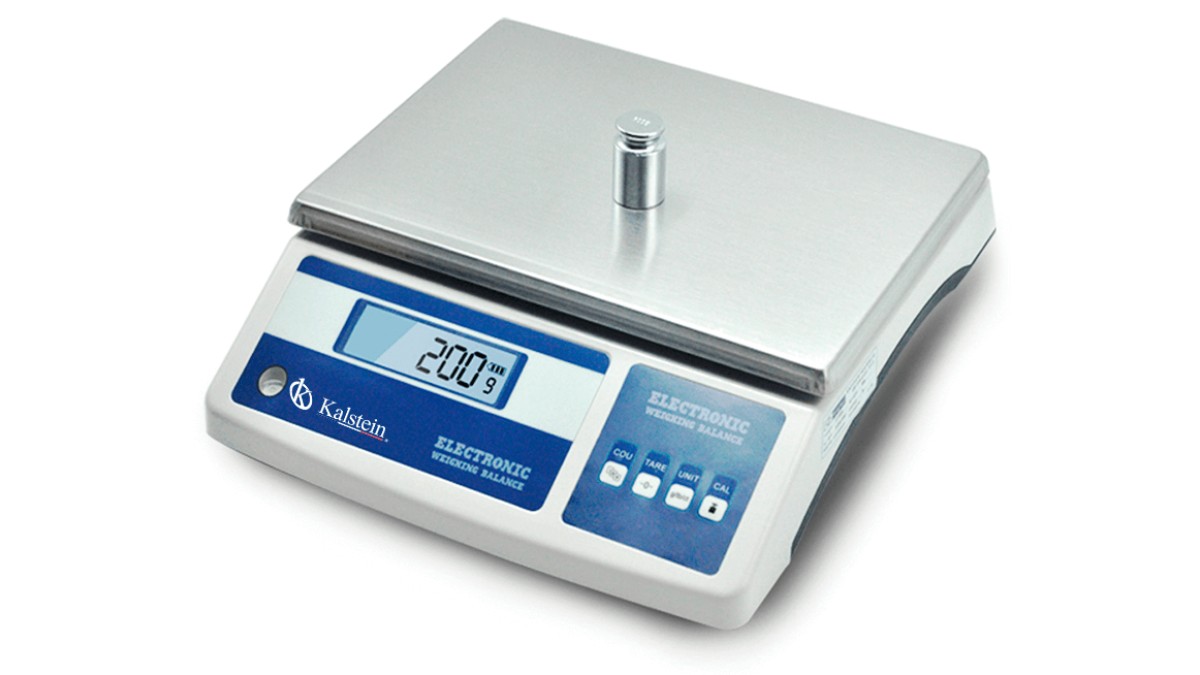
Industrial Balances: Practical Applications and Techniques 2026
Industrial balances are essential tools for various laboratory settings, particularly in clinical and hospital environments. They provide accurate measurements crucial for research and diagnostics. In this article, we will explore the practical applications of industrial balances in 2026, their historical evolution, best techniques, and protocols, as well as common mistakes to avoid.
What is it used for in 2026
In 2026, industrial balances play a pivotal role in laboratories, providing precise weight measurements for various applications, including:
- Pharmaceutical production and quality control
- Research and developmental testing
- Materials testing and evaluation
- Food safety and analysis
- Academic research
Accurate measurements are vital for compliance with regulatory standards and for ensuring the validity of research outcomes.
History and evolution of the technology
The evolution of weighing technology has seen significant advancements over the centuries. Initially, balances relied on physical counterweights, which gradually transitioned to electronic scales in the late 20th century. With the advent of digital technology, industrial balances have become more precise and user-friendly, featuring enhanced functionalities such as data connectivity and integrated software for record-keeping and analysis. In 2026, these balances represent a fusion of traditional craftsmanship and modern technology, ensuring reliable performance across diverse applications.
How to use it step by step
Using an industrial balance effectively involves several key steps:
- Preparation: Ensure the balance is placed on a stable, vibration-free surface, away from drafts and direct sunlight.
- Calibration: Regularly calibrate the balance according to the manufacturer’s guidelines before use to ensure accuracy.
- Zeroing: Turn on the balance and allow it to warm up. Tare the balance to zero with the weighing container in place.
- Weighing: Carefully place the sample in the container and record the displayed weight. Ensure that the balance is at a level position during this process.
- Recording data: Utilize any available software to log data for future reference, adhering to laboratory protocols.
- Cleaning: After use, clean the balance according to the manufacturer's instructions to maintain its condition.
Best techniques and protocols
Adopting best practices enhances the reliability of measurements. Consider the following protocols:
- Always calibrate balances on a regular schedule, ideally before each use.
- Use appropriate weigh boats or containers to avoid contamination.
- Allow samples to reach room temperature to prevent thermal currents affecting readings.
- Perform measurements in controlled environments to minimize fluctuations caused by air currents.
Practical applications by laboratory type
Industrial balances find applications across various laboratory types:
- Clinical Laboratories: Used for preparing solutions, measuring reagents, and quality control processes.
- Research Laboratories: Essential for experiments requiring precise measurements, such as in chemical reactions.
- Pharmaceutical Laboratories: Critical for formulating medications and ensuring compliance with Good Manufacturing Practices (GMP).
- Food Laboratories: Used in food analysis to ensure compliance with safety standards and nutritional content measurement.
Regulations, standards and certifications
Compliance with industry regulations is paramount. Key standards include:
- ISO/IEC 17025 - General requirements for the competence of testing and calibration laboratories.
- GLP - Good Laboratory Practice, ensuring quality and integrity of laboratory studies.
- GMP - Good Manufacturing Practices in the pharmaceutical industry, emphasizing quality control.
- ASTM - American Society for Testing and Materials standards applicable to various testing protocols.
Comparison with alternative technologies
While industrial balances are widely used, alternatives such as analytical balances and moisture analyzers serve specific needs. Analytical balances offer higher precision for minute measurements, while moisture analyzers focus on determining water content in samples. The choice between these technologies depends on the specific requirements of the laboratory and the type of measurements needed.
Comparison of available models
| Model | Best for | Key specs | Recommended use case |
|---|---|---|---|
| YR05606 | General weighing applications | Capacity: 11kg, Readability: 1g | Routine laboratory measurements |
| YR05607 | Medium weight applications | Capacity: 16kg, Readability: 1g | Quality control in pharmaceuticals |
| YR05608 | Heavy samples weighing | Capacity: 21kg, Readability: 1g | Material testing |
| YR05609 | High capacity needs | Capacity: 31kg, Readability: 1g | Bulk material measurements |
| YR05610 | Precision measurements | Capacity: 5.1kg, Readability: 0.1g | Research applications |
| YR05611 | Diverse weighing applications | Capacity: 11kg, Readability: 0.1g | General lab use |
| YR05612 | Medium capacity weighing | Capacity: 16kg, Readability: 0.1g | Food analysis |
| YR05613 | Heavy load weighing | Capacity: 21kg, Readability: 0.1g | Material science research |
| YR05614 | Large quantities weighing | Capacity: 26kg, Readability: 0.1g | Industrial applications |
Common mistakes and how to avoid them
Common mistakes that can compromise measurement integrity include:
- Failing to calibrate before use: Always calibrate your balance.
- Ignoring temperature acclimatization of samples: Let samples adjust to room temperature.
- Weighing on unstable surfaces: Ensure a stable and level surface for accurate readings.
- Neglecting regular maintenance: Establish a routine for cleaning and servicing the balance.
Maintenance, calibration and good practices 2026
To maintain accuracy and reliability, follow these practices:
- Regularly schedule calibrations based on usage intensity.
- Keep the balance clean and dust-free.
- Store the balance in a protective cover when not in use.
- Document all maintenance and calibration activities for compliance and future reference.
Cost-benefit analysis 2026
Investing in an industrial balance can yield significant returns through enhanced measurement accuracy, compliance with regulations, and improved efficiency in laboratory workflows. While the initial purchase cost may be high, the long-term benefits in terms of reduced errors and increased productivity justify the investment.
Frequently asked questions
What factors should I consider when choosing an industrial balance?
Consider capacity, readability, application type, and specific features such as connectivity options and ease of use when selecting an industrial balance.
How often should I calibrate my industrial balance?
Calibration frequency depends on usage intensity but is generally recommended before each use and at least once a month for regular use.
Can I use an industrial balance in a humid environment?
While some industrial balances can operate in humid conditions, it is best to consult the manufacturer's specifications and consider using a balance designed for such environments.
What are the common signs that my balance needs calibration?
Common signs include discrepancies between repeated measurements, failure to return to zero, and irregular readings after placing a known weight.
Is it necessary to use a draft shield?
Yes, using a draft shield minimizes the impact of air currents on measurements, leading to more accurate results.
How do I ensure consistency in my measurements?
To ensure consistency, always tare the balance, use the same weighing technique, and maintain a controlled environment during measurements.
Where can I request a quote for industrial balances?
You can easily request a quote for industrial balances through our online platform, where you can explore various models and their specifications.
If you are looking for a fusion of innovation and quality, you have come to the right place. At Kalstein, we offer you the luxury of exploring our exclusive catalog of laboratory equipment. We manufacture every device to the highest standards of excellence. Our intuitive and seamless online purchasing channels are designed for your convenience, securing the most competitive prices. Hesitate no longer — we bring science to life, it is time to become part of our community.