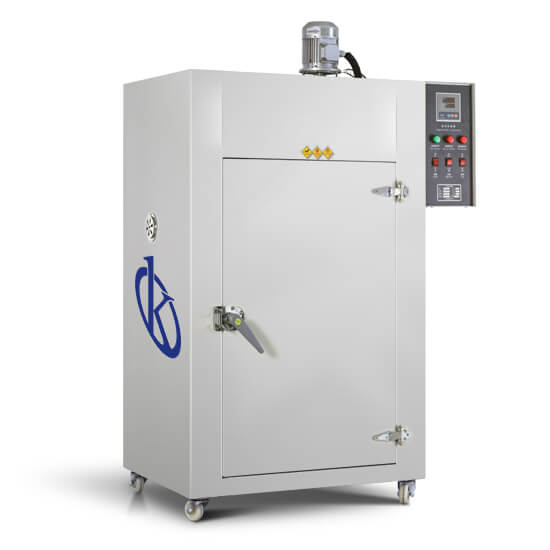
Industrial Ovens: Applications in Research, Biotechnology, and Academia 2026
Industrial ovens play a crucial role in laboratories, particularly in research, biotechnology, and educational institutions. Their ability to provide controlled heating and drying makes them indispensable for various applications. This article delves into the use of industrial ovens in 2026, examining their history, step-by-step usage, best practices, and practical applications across different laboratory types.
What is it used for in 2026
In 2026, industrial ovens are utilized in laboratories for a wide range of applications including the drying of samples, sterilization of materials, and thermal analysis. They offer precise temperature control essential for experiments involving chemical reactions, curing of coatings, and decontamination processes. Their use extends to industries such as electronics, pharmaceuticals, and food processing, where consistent heat application is vital for product quality and safety.
History and evolution of the technology
The evolution of industrial ovens has been marked by advancements in temperature control and energy efficiency. Initially, ovens were simple heat sources with minimal regulation. Over time, the integration of microcomputer controls has led to precise temperature management and improved safety features. Modern ovens now incorporate digital displays and programmable settings, making them more user-friendly and versatile for laboratory tasks.
How to use it step by step
Using an industrial oven effectively involves the following steps:
- Preparation: Ensure the oven is clean and free of any previous residues. Check the interior for any wear or damage.
- Setting up the samples: Place samples on trays or racks, ensuring even spacing for optimal heat distribution.
- Temperature setting: Input the desired temperature and duration using the digital control panel.
- Monitoring: Regularly check the oven status via the digital display to ensure consistent performance.
- Cooling down: Once the process is complete, allow the oven to cool down before opening the door to avoid thermal shock.
- Cleaning: After use, clean the interior surfaces to prevent contamination.
Best techniques and protocols
To maximize the effectiveness of industrial ovens, consider the following techniques and protocols:
- Calibrate the oven: Regular calibration ensures accurate temperature readings and consistent results.
- Use appropriate containers: Select heat-resistant containers that can withstand high temperatures without degrading.
- Load capacity: Avoid overcrowding the oven to allow for adequate air circulation.
- Document procedures: Keep detailed records of settings and outcomes for reproducibility of results.
Practical applications by laboratory type
Different laboratory types utilize industrial ovens for specific applications:
- Research Laboratories: Used for drying samples and preparing materials for analysis.
- Biotechnology Labs: Essential for sterilizing equipment and materials to prevent contamination.
- Educational Institutions: Employed in practical experiments to demonstrate thermal reactions and material properties.
Regulations, standards and certifications
Industrial ovens must comply with various regulations and standards to ensure safety and performance. Key certifications include:
- ISO 9001: Quality management systems ensuring consistent product quality.
- CE Marking: Indicates compliance with European health, safety, and environmental protection standards.
- UL Certification: Ensures safety standards are met in the United States.
Comparison with alternative technologies
While industrial ovens are popular, other technologies such as convection ovens and vacuum ovens are also used. Here's how they compare:
- Convection Ovens: Utilize fans to circulate air, providing faster drying times but may result in uneven heating.
- Vacuum Ovens: Remove air to lower boiling points, ideal for heat-sensitive samples but typically at higher costs.
Comparison of available models
| Model | Best for | Key specs | Recommended use case |
|---|---|---|---|
| YR05256-A | Dehydration and drying of products | 300 Liters, ±1°C accuracy | Batch production in workshops |
| YR05257-1-A | Industrial drying processes | 864 Liters, ±1°C accuracy | Long duration operations |
| YR05258-SS | Drying applications in various industries | 300 Liters, ±1°C accuracy | Continuous operation in electronics industry |
| YR05259-1-SS | Heavy-duty industrial applications | 864 Liters, ±1°C accuracy | Heavy batch processing |
Common mistakes and how to avoid them
Common mistakes when using industrial ovens include:
- Inadequate preheating: Always preheat the oven to the desired temperature for consistent results.
- Ignoring load limits: Overloading can lead to uneven heating, which may affect results.
- Neglecting maintenance: Regular checks and cleaning are essential for optimal performance.
Maintenance, calibration and good practices 2026
Maintaining industrial ovens in 2026 involves:
- Regular calibration: Schedule calibration every six months to ensure accuracy.
- Cleaning: Clean the interior after each use to prevent contamination.
- Inspection: Routinely check for wear and tear on heating elements and control systems.
Cost-benefit analysis 2026
Investing in industrial ovens can yield significant benefits:
- Efficiency: Reduced energy consumption due to modern designs.
- Quality Assurance: Consistent results lead to higher product quality.
- Long-term savings: Reliable equipment reduces the need for frequent replacements.
Frequently asked questions
What should I consider when choosing an industrial oven?
Consider factors such as capacity, temperature range, and specific application needs to ensure the oven meets your laboratory requirements.
How often should I calibrate my industrial oven?
It is recommended to calibrate the oven every six months to maintain accuracy and consistency in results.
What types of samples can be processed in industrial ovens?
Industrial ovens can process a wide range of samples, including biological materials, electronic components, and chemical substances.
How can I ensure even heating in my oven?
Load the oven according to the manufacturer's recommendations, avoiding overcrowding, which can hinder air circulation.
What maintenance is required for an industrial oven?
Regular cleaning, inspection for wear, and calibration checks are essential for maintaining optimal performance.
Are there any safety protocols I should follow?
Always follow the manufacturer's safety guidelines, including using appropriate personal protective equipment and ensuring proper ventilation.
Where can I find the best industrial ovens for my laboratory?
Explore various manufacturers and suppliers to find models that meet your specific needs and budget.
If you are looking for a fusion of innovation and quality, you have come to the right place. At Kalstein, we offer you the luxury of exploring our exclusive catalog of laboratory equipment. We manufacture every device to the highest standards of excellence. Our intuitive and seamless online purchasing channels are designed for your convenience, securing the most competitive prices. Hesitate no longer — we bring science to life, it is time to become part of our community.