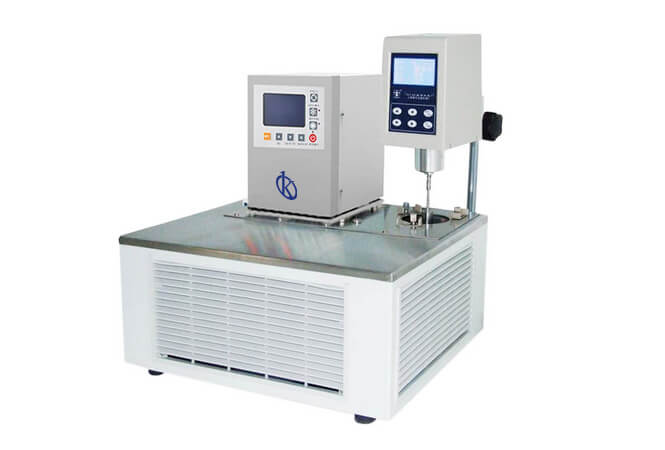
How to Integrate Bath Circulators with LIMS for Effective Data Digitalization
In modern laboratories, the integration of Bath Circulators with Laboratory Information Management Systems (LIMS) is becoming increasingly critical. This integration is not just about convenience; it represents a fundamental shift towards data digitalization, helping labs streamline their workflows, enhance compliance, and improve overall efficiency. With a variety of bath circulators available, understanding how each model integrates with LIMS can help laboratory professionals make informed decisions.
Understanding the Role of Bath Circulators in Data Digitalization
Bath circulators are essential devices in laboratories, providing precise temperature control for various applications such as viscosity measurements, chemical synthesis, and biological testing. When integrated with LIMS, these devices can automate data collection and enhance data accuracy, reducing manual entry errors and improving traceability.
The integration process often involves connectivity protocols such as ASTM and REST, enabling seamless data flow between the bath circulator and the LIMS. This ensures that all temperature readings, maintenance logs, and operational data are captured in real time, facilitating better decision-making and compliance with industry standards.
Key Features to Look for in a Bath Circulator for LIMS Integration
When selecting a bath circulator for LIMS integration, laboratory professionals should consider several key features:
- Connectivity Options: Support for protocols like HL7, ASTM, or REST greatly enhances integration capabilities.
- Data Logging: The ability to log data automatically reduces the risk of human error and ensures accurate record-keeping.
- Control Systems: PID control systems provide superior temperature stability, which is crucial for reproducible results.
Comparison of Available Models
| Model | Temperature Range (°C) | Stability (°C) | Flow Rate (L/min) | Best for |
|---|---|---|---|---|
| YR04985 | -5 to 99.9 | ±0.1 | N/A | Viscosity measurements |
| YR04999 | -30 to 100 | ±0.05 | 30 | Electronic component testing |
| YR04996 | -5 to 100 | ±0.05 | 30 | Chemical synthesis |
| YR04988 | -20 to 100 | N/A | N/A | Life sciences experiments |
| YR04989 | -30 to 100 | ±0.1 | N/A | Biological testing |
| YR04986 | -5 to 100 | ±0.05 | 14 | General laboratory use |
Common Mistakes and How to Avoid Them
One common mistake in LIMS integration is underestimating the importance of data protocols. Choosing a bath circulator without robust connectivity options can lead to integration challenges and data silos. Additionally, failing to verify the temperature stability of the chosen model can result in inaccurate test results. Always ensure that the selected model, such as the YR04999, supports your laboratory’s specific data management needs.
Best Practices for LIMS Integration with Bath Circulators
To maximize the benefits of LIMS integration with bath circulators, consider the following best practices:
- Conduct a Needs Assessment: Determine your laboratory’s specific requirements, including data collection intervals and parameters.
- Choose Compatible Models: Ensure that the bath circulators you select, like the YR04996, are compatible with your existing LIMS.
- Train Staff: Provide training on how to operate the bath circulators and understand the LIMS functionalities to optimize usage.
How can bath circulators improve laboratory data management?
Bath circulators enhance laboratory data management by automating temperature control processes and integrating seamlessly with LIMS. For instance, the YR04985 model provides precise temperature control, which is crucial for ensuring data accuracy and reliability in experiments, leading to improved data handling and record-keeping.
What are the key features to consider when selecting a bath circulator for LIMS?
When selecting a bath circulator for LIMS integration, consider connectivity options, data logging capabilities, and control systems. Models like the YR04999 offer advanced features like PID control and efficient flow rates, ensuring reliable temperature management critical for compliance and data integrity.
Which bath circulator model is best for electronic component testing?
The YR04999 model is specifically designed for electronic component testing, with a temperature range of -30 to 100°C and excellent stability of ±0.05°C. This precision is essential for ensuring that tests yield accurate and replicable results, solidifying its position as a leading choice for such applications.
How does LIMS integration affect laboratory workflow with bath circulators?
LIMS integration streamlines laboratory workflows by automating data collection from bath circulators, reducing manual entry errors, and enhancing traceability. This integration allows for real-time monitoring and reporting, improving overall lab efficiency and compliance with standards.
What are the compliance benefits of using LIMS with bath circulators?
Using LIMS with bath circulators ensures compliance with various industry standards by automating record-keeping and maintaining detailed logs of all temperature settings and performance metrics. This is vital for meeting regulations such as ISO 17025, especially when employing models like the YR04996, which offer precise control and monitoring features.
How can laboratories ensure successful integration of bath circulators with LIMS?
Laboratories can ensure successful integration by choosing compatible bath circulators, training staff on LIMS functionalities, and conducting regular maintenance checks. Models like the YR04985, with their user-friendly interfaces, facilitate smoother integration processes and better data management.
What role do connectivity protocols play in bath circulator and LIMS integration?
Connectivity protocols such as ASTM and HL7 are crucial in ensuring seamless data transfer between bath circulators and LIMS. These protocols define how data is communicated, ensuring that information from devices like the YR04988 is logged accurately and efficiently, promoting better data management practices.
If you are looking for a fusion of innovation and quality, you have come to the right place. At Kalstein, we offer you the luxury of exploring our exclusive catalog of laboratory equipment. We manufacture every device to the highest standards of excellence. Our intuitive and seamless online purchasing channels are designed for your convenience, securing the most competitive prices. Hesitate no longer — we bring science to life, it is time to become part of our community.