How to Integrate Chemiluminescent Immunoassay Analyzers with LIMS for Data Flow Optimization?
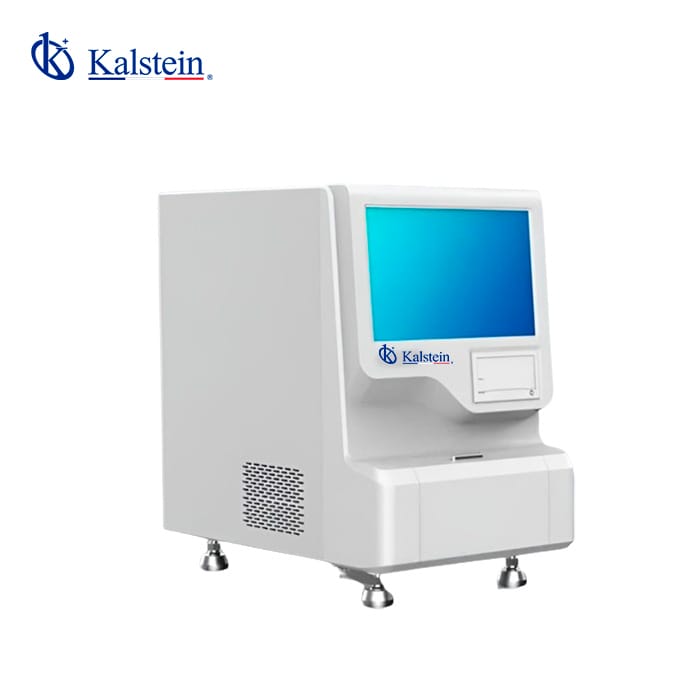
The integration of Chemiluminescent Immunoassay Analyzers with Laboratory Information Management Systems (LIMS) is becoming essential for modern laboratories seeking to enhance efficiency and data management. In this article, we will explore various models of chemiluminescent immunoassay analyzers, emphasizing their integrative capabilities with LIMS to streamline workflows.
Understanding the Importance of LIMS Integration in Laboratory Settings
Laboratories are increasingly adopting digital solutions that enable better data management, traceability, and operational efficiency. Integration with LIMS allows for real-time data capture and sharing between various equipment and systems, facilitating smoother processes. Chemiluminescent immunoassay analyzers exemplify this trend, as they generate significant amounts of data that need to be managed effectively.
By integrating these analyzers with LIMS, laboratories can optimize sample tracking, result reporting, and compliance with regulatory standards, ultimately improving laboratory performance.
Key Features of Chemiluminescent Immunoassay Analyzers
Model Overview
Each chemiluminescent immunoassay analyzer possesses unique features that cater to specific laboratory needs. Here we present an overview of the models covered in this article:
- YR06387: Best for high-throughput environments, features an 8-channel testing system.
- YR06388: Offers dual independent chambers for emergency functions with 16-channel testing capabilities.
- YR06389: Ideal for outpatient settings, delivering results in 15 minutes with a throughput of 120 tests/hour.
- YR06390: High-performance analyzer with a processing speed of 220 tests/hour, ensuring rapid diagnostics.
- YR06710: Compact analyzer designed for emergency departments, processing 1 to 12 samples simultaneously.
Comparison of Available Models
| Model | Channels | Sample Types | Best For | Price (USD) |
|---|---|---|---|---|
| YR06387 | 8 | Plasma, Serum, Urine | High-throughput laboratories | 3500.00 |
| YR06388 | 16 | Plasma, Serum, Urine | Emergency functions | 5000.00 |
| YR06389 | 1 | Various | Outpatient settings | 9000.00 |
| YR06390 | 1 | Various | High-performance diagnostics | 15000.00 |
| YR06710 | 1-12 | Whole Blood, Serum, Plasma | Compact environments | 7500.00 |
LIMS Connectivity Protocols for Chemiluminescent Immunoassay Analyzers
Understanding the connectivity protocols is crucial for successful integration of chemiluminescent immunoassay analyzers with LIMS. Common protocols include HL7, ASTM, and REST APIs. Each analyzer may support different protocols based on its design and intended use.
HL7 Protocol
The HL7 protocol is widely used for transmitting health-related data between systems. Models like YR06388, with advanced capabilities, typically support HL7, ensuring that patient data is seamlessly transferred to the LIMS.
ASTM Protocol
The ASTM protocol is another standard used for laboratory instruments. This is particularly relevant for models such as YR06389 that aim to enhance interoperability in laboratory environments.
REST API
RESTful APIs are increasingly popular for their flexibility and ease of integration. Analyzers such as the YR06390 utilize REST APIs for connecting with LIMS, allowing for efficient data exchange and automation.
Common Mistakes and How to Avoid Them
Integration can be complex, and several common mistakes can hinder the process. Here are some pitfalls to avoid:
- Neglecting Compatibility: Ensure that the selected analyzer supports your LIMS protocols.
- Underestimating Training Needs: Invest in proper training for staff to leverage the capabilities of integrated systems effectively.
- Ignoring Data Security: Always prioritize data security during integration to comply with regulations such as HIPAA.
Optimizing Data Flow in Laboratories with Integrated Systems
Optimizing data flow between chemiluminescent immunoassay analyzers and LIMS involves careful planning and implementation. Here are some strategies to enhance efficiency:
Automating Data Entry Processes
Automation reduces manual data entry errors and speeds up reporting. Many newer models, like YR06388, include built-in automation features that help to streamline this process.
Implementing Comprehensive Training Programs
Training programs for laboratory staff should be comprehensive, covering the functionality of both the analyzer and the LIMS. This ensures better utilization of the systems and minimizes operational errors.
Frequently Asked Questions
How can the YR06387 analyzer improve LIMS data integration in clinical labs?
The YR06387 analyzer enhances LIMS data integration by providing an 8-channel testing system that allows for quick data capture and automatic uploads to the LIMS, thereby streamlining workflows in clinical labs.
What are the key advantages of using the YR06388 model for LIMS integration?
The YR06388 model offers dual independent chambers and supports HL7, allowing for efficient emergency functions. This makes it ideal for facilities needing rapid response capabilities integrated with LIMS.
Which chemiluminescent immunoassay analyzer is best for high-throughput settings?
The YR06390 model is best for high-throughput settings, providing rapid processing speeds of up to 220 tests/hour, thereby optimizing sample turnaround times when integrated with LIMS.
How does the YR06389 model facilitate sample tracking with LIMS?
The YR06389 model supports ASTM protocols for sample tracking, facilitating real-time updates and accessibility within the LIMS for better laboratory management.
What challenges should labs anticipate when integrating YR06710 with LIMS?
Labs should anticipate challenges related to connectivity and data synchronization when integrating the compact YR06710 model with LIMS, especially in environments with limited IT support.
Why is staff training crucial for successful LIMS integration with chemiluminescent analyzers?
Staff training is crucial as it ensures users can efficiently operate the analyzers and the LIMS, minimizing operational errors and enhancing overall laboratory productivity.
How do I select the right chemiluminescent immunoassay analyzer for my lab's LIMS integration needs?
Selecting the right analyzer involves understanding your lab's throughput requirements, sample types, and compatibility with existing LIMS protocols. Models like the YR06390 are suited for high-demand labs.
Conclusion
Integrating chemiluminescent immunoassay analyzers with LIMS enhances laboratory efficiency, data accuracy, and compliance with regulations. By understanding the features and capabilities of models such as YR06387, YR06388, YR06389, YR06390, and YR06710, professionals can make informed decisions that align with their operational needs.
If you are looking for a fusion of innovation and quality, you have come to the right place. At Kalstein, we offer you the luxury of exploring our exclusive catalog of laboratory equipment. We manufacture every device to the highest standards of excellence. Our intuitive and seamless online purchasing channels are designed for your convenience, securing the most competitive prices. Hesitate no longer — we bring science to life, it is time to become part of our community.