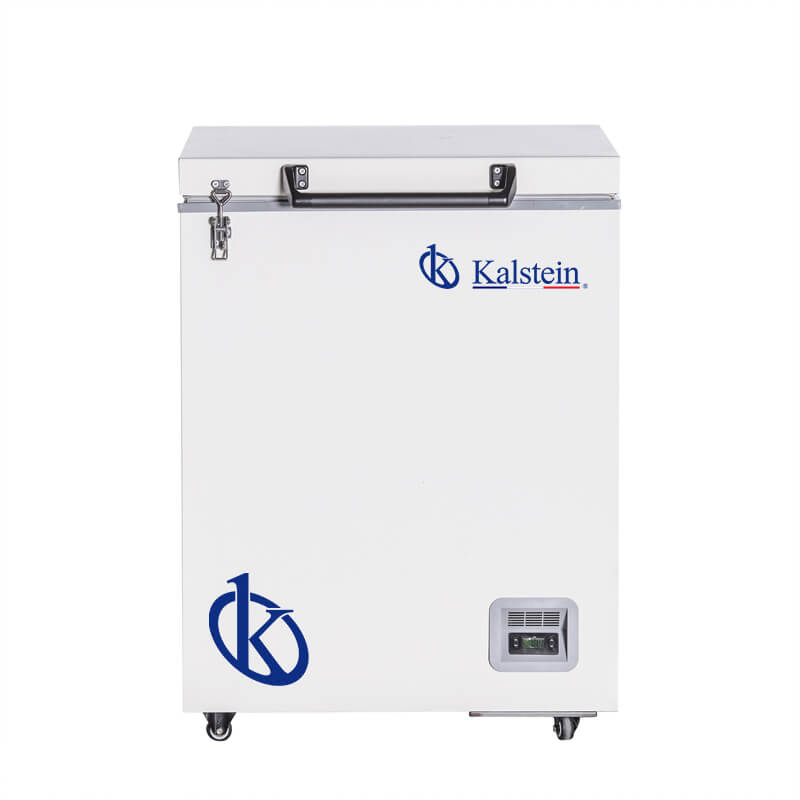
How to Integrate Chest Freezers with LIMS for Data Flow Digitalization
The integration of chest freezers with Laboratory Information Management Systems (LIMS) is crucial for modern laboratories seeking to streamline their operations and enhance data accuracy. Chest freezers, such as the Horizontal Freezer YR05102, YR05103, YR05104, and ultra-low temperature models like YR05314 and YR05315, provide efficient storage solutions for sensitive materials. However, their effectiveness can be significantly amplified when they are linked to a LIMS, facilitating seamless data flow and ensuring compliance with industry standards.
The Importance of LIMS Integration in Laboratories
Integrating chest freezers with LIMS offers a multitude of benefits for laboratory operations. Firstly, it enables real-time temperature monitoring from the freezer, allowing for immediate alerts in case of fluctuations, which is critical for maintaining sample integrity. The Horizontal Freezer YR05102, with its microprocessor control and alarm features, exemplifies how these systems can work in harmony to provide a reliable storage solution. Secondly, LIMS integration enhances data accessibility and traceability, ensuring that all information regarding sample storage is readily available for audits and compliance checks.
Key Features of Chest Freezers Suited for LIMS Integration
When considering chest freezers for integration with LIMS, several key features should be evaluated:
- Temperature Control: A microprocessor-controlled system is essential for precise temperature management. Models like YR05103 and YR05104 offer adjustable temperature ranges from -10 °C to -40 °C, making them suitable for various applications.
- Data Logging: The ability to log temperature data over time is crucial for compliance. The digital display on the YR05314 allows for easy monitoring of temperature changes.
- Alarm Systems: Multiple alarms for high/low temperature conditions are vital. For instance, the YR05102 features alarms for sensor errors and power failures, ensuring samples are always stored under optimal conditions.
Best Practices for Successful Integration
Successful integration of chest freezers with LIMS involves a series of strategic steps:
- Assess Compatibility: Verify that the chosen freezer model supports the required connectivity protocols, such as HL7 or REST, which are vital for data exchange.
- Implement Middleware Solutions: If direct integration is not possible, consider using middleware to facilitate communication between the freezer and the LIMS.
- Regular Maintenance: Ensure periodic checks on both the freezer and LIMS to maintain optimal performance and compatibility.
Comparison of Available Models
| Model | Temperature Range (°C) | Power Consumption (W) | Price (USD) | Best For |
|---|---|---|---|---|
| YR05102 | -10 to -40 | 160 | 450.00 | General laboratory use |
| YR05103 | -10 to -40 | 150 | 885.00 | Clinical applications |
| YR05104 | -20 to -40 | 295 | 1100.00 | Long-term storage |
| YR05314 | -40 to -86 | 670 | 3150.00 | Biomedical research |
| YR05315 | -25 to -60 | 380 | 1150.00 | Vaccine storage |
Common Mistakes and How to Avoid Them
When integrating chest freezers with LIMS, several common pitfalls can hinder the process:
- Lack of Planning: Failing to outline the integration process can lead to compatibility issues. It’s essential to map out the entire workflow and ensure all components are compatible.
- Neglecting User Training: Without proper training, lab personnel may struggle to utilize the new system effectively. Providing comprehensive training sessions is crucial.
- Skipping Regular Updates: LIMS and freezer firmware should be regularly updated to address security vulnerabilities and improve functionality. Schedule routine updates to avoid system failures.
Frequently Asked Questions
How can I ensure my chest freezer meets LIMS integration requirements?
To ensure your chest freezer meets LIMS integration requirements, select models like YR05314, which has robust digital connectivity features and complies with industry protocols. Ensure it supports necessary standards such as HL7 for seamless data communication.
What are the energy consumption rates of different chest freezers?
The energy consumption rates vary significantly among models. For instance, the YR05102 consumes about 160W, while the YR05314 requires 670W. Understanding these rates helps labs plan their energy budgets effectively.
Which chest freezers are best for biomedical applications with LIMS?
The YR05314 and YR05315 are excellent choices for biomedical applications, offering ultra-low temperature capabilities and essential features for LIMS integration, ensuring compliance with storage requirements for sensitive materials.
How do temperature fluctuations affect sample integrity in chest freezers?
Temperature fluctuations can significantly compromise sample integrity. Models like the YR05103, with built-in alarm systems, help mitigate risks by providing real-time alerts, ensuring that conditions remain stable.
What are the best practices for maintaining LIMS-integrated freezers?
Best practices include regular maintenance checks, firmware updates, and ensuring proper temperature monitor calibration. Models like the YR05104 provide features that help streamline this process effectively.
How much does a LIMS-integrated chest freezer cost?
Prices for LIMS-integrated chest freezers range from around $450 for models like the YR05102 to $3150 for high-end options like the YR05314. This range reflects the features and capabilities essential for specific laboratory needs.
What types of data are typically collected from chest freezers integrated with LIMS?
Data typically collected includes temperature logs, alarm notifications, and maintenance records. Models such as the YR05104 can provide detailed logging capabilities to support compliance and traceability in laboratory settings.
How can I improve data flow from my chest freezer to LIMS?
Improving data flow can be achieved by selecting models with advanced connectivity features, like the YR05314, and using middleware if necessary to bridge gaps in data transfer protocols between the freezer and LIMS.
If you are looking for a fusion of innovation and quality, you have come to the right place. At Kalstein, we offer you the luxury of exploring our exclusive catalog of laboratory equipment. We manufacture every device to the highest standards of excellence. Our intuitive and seamless online purchasing channels are designed for your convenience, securing the most competitive prices. Hesitate no longer — we bring science to life, it is time to become part of our community.