How to Integrate Combined Freezers with LIMS for Data Digitalization?
In the fast-evolving landscape of laboratory management, the integration of Combined Freezers with Laboratory Information Management Systems (LIMS) is becoming vital for enhancing workflow efficiency and data accuracy. This seamless integration not only facilitates real-time monitoring and control of temperature-sensitive samples but also significantly improves data digitalization processes. This article delves into the effective strategies for achieving this integration while discussing specific models and their features.
Understanding the Role of Combined Freezers in Laboratories
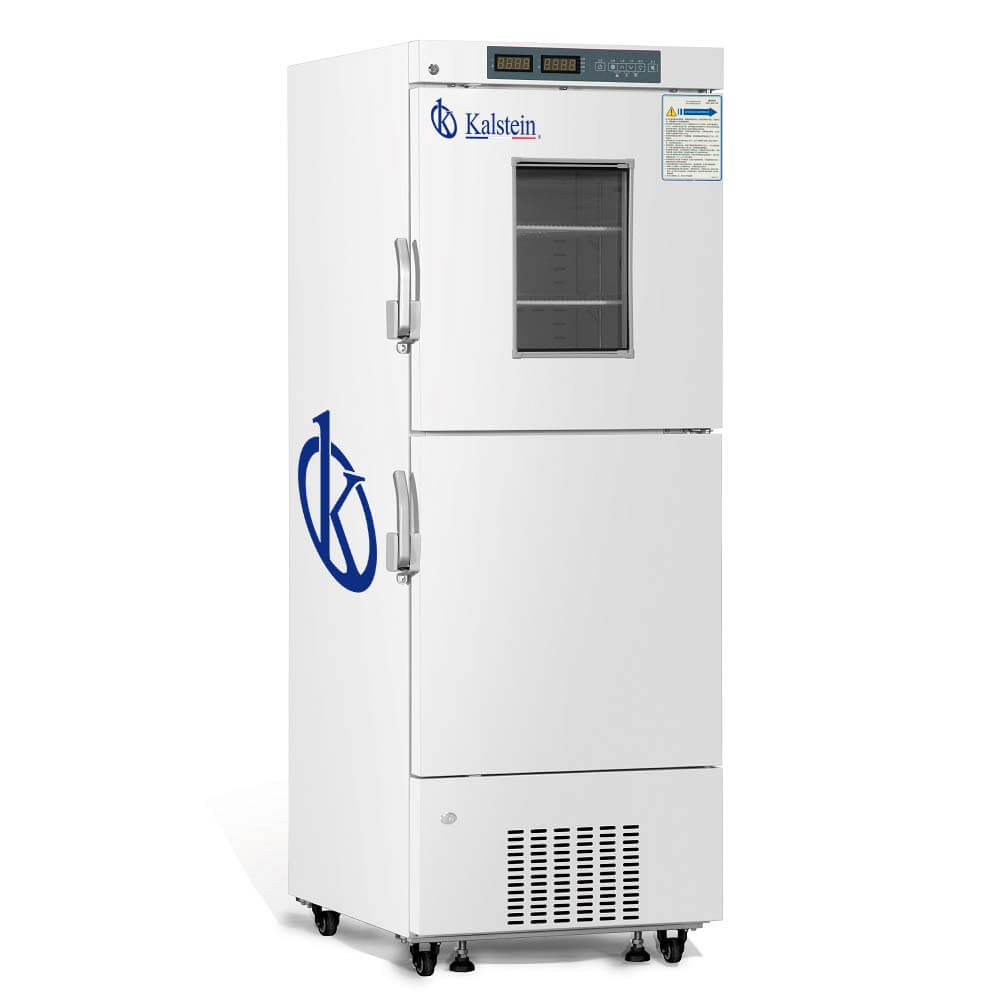
Combined freezers play a crucial role in storing various biological materials, including plasma, vaccines, and other sensitive reagents. Models such as the YR05320, with its dual cooling systems, are ideal for maintaining strict temperature controls necessary for preserving the integrity of biological samples. The YR05321 and YR05321-1 models offer customized temperature settings that cater to specific storage needs, making them indispensable in clinical and research settings.
Benefits of Integrating LIMS with Combined Freezers
Integrating LIMS with combined freezers provides several benefits, including enhanced data management, improved compliance with regulations, and increased operational efficiency. By automating data entry processes, laboratories can reduce human error and improve traceability. Additionally, real-time data updates allow for timely decision-making, which is critical in clinical environments.
Connectivity Protocols for Seamless Integration
Successful integration requires understanding connectivity protocols that facilitate communication between combined freezers and LIMS. Protocols like HL7, ASTM, and REST are commonly used in laboratory settings for data transfer. Each protocol has its specifications that dictate how data is exchanged, ensuring compatibility and reliability in data handling.
Integration Architecture and Validation Steps
Establishing an integration architecture involves defining the system layout, the points of interaction between the freezer and LIMS, and the data flow paths. Validation steps should include testing data transfer accuracy, ensuring compliance with ISO 17025, and confirming the integrity of data during the exchange processes. The YR05320 and its user-friendly interface make it a suitable candidate for such integrations.
Comparison of Available Models
| Model | Temperature Range | Cooling Method | Best for |
|---|---|---|---|
| YR05320 | -20°C to -40°C; 2°C to 8°C | Direct Cooling | Pharmacy, Plasma Storage |
| YR05321 | -10°C to -25°C; 2°C to 8°C | Direct Cooling | Hospitals, Blood Stations |
| YR05321-1 | 2°C to 8°C; -10°C to -25°C | Direct Cooling | Research Laboratories |
Common Mistakes and How to Avoid Them
When integrating combined freezers with LIMS, common pitfalls include underestimating the importance of compatibility between systems, neglecting to plan for data validation, and failing to train users effectively. It is crucial to conduct thorough compatibility assessments before finalizing the integration and to involve all stakeholders in the training process to ensure smooth operation post-implementation.
Frequently Asked Questions
How can I ensure my combined freezer model complies with ISO 17025 standards?
The YR05320 is designed to meet ISO 17025 compliance through precise temperature control and data logging capabilities, essential for storage of biological samples. Ensure that your protocols for calibration and maintenance align with the standard's requirements.
What connectivity protocols should my combined freezer support for LIMS integration?
For effective LIMS integration, your combined freezer, such as the YR05321, should support protocols like HL7 and ASTM. These enable efficient data transfer and interoperability, ensuring accurate data management within laboratory environments.
Which combined freezer is best for blood storage in hospitals?
The YR05321 is highly recommended for blood storage in hospital settings due to its independent temperature zones and manual defrosting feature, allowing precise control necessary for biological sample preservation.
How do I validate data accuracy during LIMS integration?
Data accuracy can be validated by conducting systematic testing of data transfers between the YR05321-1 and the LIMS. Ensure that all data points are recorded accurately, and perform regular audits to verify compliance with established standards.
What are the key features of combined freezers for laboratory applications?
Key features include dual cooling systems, adjustable temperature ranges, and user-friendly interfaces. Models like the YR05320 highlight these attributes, making them suitable for diverse laboratory applications like plasma and vaccine storage.
How do I choose the best combined freezer for my laboratory's needs?
Consider factors such as temperature range, storage capacity, and compliance with industry standards. The YR05321-1 offers independent temperature controls, which are vital for laboratories handling various biological samples.
What are the operational costs associated with combined freezers?
Operational costs can vary based on energy consumption and maintenance. The YR05320 operates at an energy consumption rate of 4.15 kWh/24h, allowing labs to calculate their long-term operational expenses effectively.
Can combined freezers be easily integrated with existing laboratory systems?
Yes, models like the YR05321 can be integrated with existing laboratory systems with proper planning and understanding of connectivity protocols. This facilitates seamless data digitalization and management.
If you are looking for a fusion of innovation and quality, you have come to the right place. At Kalstein, we offer you the luxury of exploring our exclusive catalog of laboratory equipment. We manufacture every device to the highest standards of excellence. Our intuitive and seamless online purchasing channels are designed for your convenience, securing the most competitive prices. Hesitate no longer — we bring science to life, it is time to become part of our community.