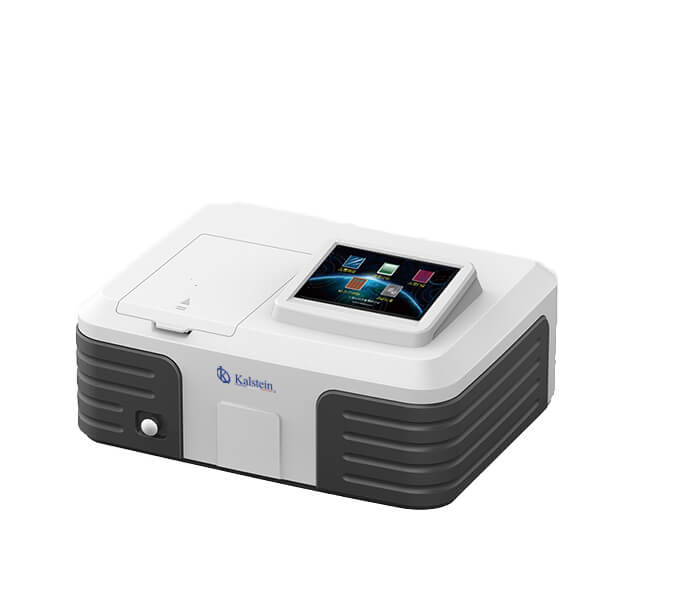
How to Integrate Double Beam Spectrophotometers with LIMS for Enhanced Data Flow
In modern laboratories, the efficiency of data management is paramount. Double beam spectrophotometers, known for their precision and versatility, play a crucial role in various analytical applications. However, the real potential of these instruments is unlocked when they are integrated with Laboratory Information Management Systems (LIMS). This integration streamlines workflows, reduces human error, and ensures compliance with regulatory standards. In this article, we will explore the benefits, challenges, and implementation strategies for integrating double beam spectrophotometers with LIMS.
Understanding Double Beam Spectrophotometers
Double beam spectrophotometers utilize two light beams to measure the absorption of light by a sample. This configuration provides enhanced accuracy by compensating for fluctuations in the light source and environmental conditions. Models such as the YR01858 and YR01862 exemplify the advanced technology in this category, boasting features like dual detectors and extensive wavelength ranges. The integration of these spectrophotometers with LIMS can significantly enhance data management, offering a seamless transfer of results and compliance documentation.
Benefits of LIMS Integration
Integrating double beam spectrophotometers with LIMS provides several benefits:
- Streamlined Data Management: Automated data entry minimizes human error and improves data integrity.
- Enhanced Compliance: LIMS can help maintain regulatory standards by ensuring that all data is accurately recorded and traceable.
- Efficient Workflow: Real-time data access enables researchers to make informed decisions quickly.
Model Comparison for LIMS Integration
When considering integration, it's essential to compare various models of double beam spectrophotometers based on their compatibility with LIMS. Below is a comparison table of selected models:
| Model | Wavelength Range (nm) | Data Output | Best for |
|---|---|---|---|
| YR01858 | 320-1100 | USB, Parallel Port | General Laboratory Use |
| YR01862 | 190-1100 | Bluetooth, USB | Advanced Analytical Testing |
| YR01862-1 | 190-1100 | Bluetooth, USB | Wide Spectral Applications |
| YR01862-2 | 190-1100 | Bluetooth, USB | High Stability Requirements |
| YR01864 | 190-1100 | USB | Standard Analytical Methods |
| YR01865 | 190-1100 | USB | Comprehensive Testing |
Integration Protocols and Compatibility
To successfully integrate double beam spectrophotometers with LIMS, it is essential to consider the communication protocols. Most modern LIMS support various integration methods including:
- HL7 Protocol: Facilitates the exchange of health-related information.
- REST APIs: Allow for seamless data transfer between instruments and LIMS.
- Middleware Solutions: Help bridge compatibility gaps between different data systems.
For instance, the YR01862 model, with its Bluetooth and USB connectivity, is particularly suited for environments requiring flexible data communication options.
Common Challenges in Integration
Despite the numerous advantages, integrating double beam spectrophotometers with LIMS can pose challenges:
- Data Format Compatibility: Ensuring that data output formats align with LIMS requirements can be complex.
- Training Needs: Staff may require additional training to effectively utilize the integrated system.
- Initial Setup Costs: The cost of implementation can be significant, particularly for smaller laboratories.
Best Practices for Successful Integration
To overcome integration challenges, consider the following best practices:
- Conduct a Needs Analysis: Assess specific laboratory needs to select the most suitable spectrophotometer model.
- Involve IT Early: Engage IT professionals from the outset to ensure smooth implementation.
- Test Compatibility: Before full-scale integration, conduct pilot tests to identify potential issues.
Common Mistakes and How to Avoid Them
While integrating double beam spectrophotometers with LIMS, laboratories often encounter pitfalls. Understanding these common mistakes can save time and resources:
- Neglecting User Training: Without proper training, staff may struggle to adapt to the new system, impacting productivity.
- Overlooking Data Accuracy: Ensure all data collected meets laboratory standards to avoid compliance issues.
- Ignoring Maintenance: Regular maintenance of both spectrophotometers and LIMS is crucial for sustained performance.
Frequently Asked Questions
What are the key features of double beam spectrophotometers for LIMS integration?
Key features include dual detectors for accuracy, USB and Bluetooth connectivity for data transfer, and extensive wavelength ranges like those found in the YR01862 model. These features facilitate smooth integration with LIMS, enhancing data management and compliance.
How can double beam spectrophotometers improve laboratory data management?
Double beam spectrophotometers enhance laboratory data management by providing accurate measurements and integrating with LIMS for automated data entry. For example, the YR01864 model offers robust software functions that directly link results to LIMS, streamlining workflows.
Which double beam spectrophotometers are best for high-throughput laboratories?
For high-throughput laboratories, models like the YR01862-1 are ideal due to their fast data processing capabilities and compatibility with LIMS. Their advanced features support efficient workflows, making them suitable for busy environments.
How do I ensure compliance with regulations when using spectrophotometers?
Compliance can be ensured by selecting models that support regulatory standards and integrating them with a robust LIMS. The YR01865 model features precise measurements critical to adhering to compliance requirements.
What role does data integrity play in laboratory analyses using LIMS?
Data integrity is crucial as it ensures accuracy and reliability of results. Integrating spectrophotometers like the YR01858 with LIMS minimizes human error and maintains an accurate data trail, essential for compliance and analysis validation.
What are the maintenance requirements for double beam spectrophotometers?
Regular maintenance includes calibration checks, cleaning optical components, and software updates. Following a maintenance schedule helps ensure instruments like the YR01864 remain compliant and perform optimally.
How do double beam spectrophotometers compare to single beam models in LIMS integration?
Double beam spectrophotometers, like the YR01862, provide greater accuracy and stability compared to single beam models. This enhanced performance is crucial for effective LIMS integration and achieving reliable results in laboratory settings.
Conclusion
Integrating double beam spectrophotometers with LIMS is vital for laboratories aiming to enhance data flow and ensure compliance. By leveraging the strengths of models such as the YR01862 and YR01865, laboratories can achieve significant improvements in efficiency and accuracy. If you are looking for a fusion of innovation and quality, you have come to the right place. At Kalstein, we offer you the luxury of exploring our exclusive catalog of laboratory equipment. We manufacture every device to the highest standards of excellence. Our intuitive and seamless online purchasing channels are designed for your convenience, securing the most competitive prices. Hesitate no longer — we bring science to life, it is time to become part of our community.