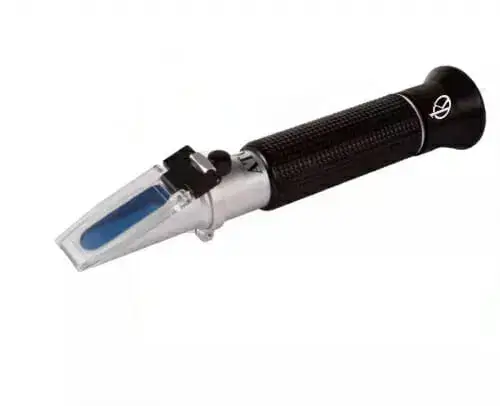
How to Integrate Honey Refractometers with LIMS for Data Digitalization?
Effective data management is crucial for laboratories, particularly in food quality control where honey refractometers play a vital role. The integration of these instruments with Laboratory Information Management Systems (LIMS) ensures streamlined operations, accurate data tracking, and improved compliance with industry standards. This article explores how laboratories can leverage this integration to enhance their data digitalization efforts.
Understanding Honey Refractometers in the Context of LIMS
Honey refractometers are specialized tools designed to measure the sugar content in honey and other sweet liquids. They provide critical information about product quality and readiness for market. By integrating these refractometers with LIMS, laboratories can enhance their data handling capabilities, ensuring that measurements are accurately recorded, easily accessible, and compliant with industry standards.
What is LIMS and Why is It Important for Laboratories?
A Laboratory Information Management System (LIMS) is a software solution that helps laboratories manage samples, associated data, and laboratory workflows efficiently. It enhances productivity by automating processes such as sample tracking, data entry, and reporting. In the realm of honey analysis, LIMS can centralize data from multiple honey refractometer models, providing scientists and quality control professionals with real-time insights into sugar concentrations and other vital metrics.
Benefits of Integrating Honey Refractometers with LIMS
Integrating honey refractometers with LIMS provides several benefits:
- Improved Data Accuracy: Automated data transfer reduces human errors associated with manual entry.
- Enhanced Traceability: All data from honey refractometers is logged and can be traced back to specific batches.
- Streamlined Workflow: Integration allows for a seamless workflow from measurement to reporting.
- Compliance and Reporting: LIMS helps maintain compliance with food safety regulations and standards.
Key Features of Honey Refractometers Suitable for LIMS Integration
Choosing the right honey refractometer is critical for successful LIMS integration. The following models are particularly well-suited for this purpose:
Honey Refractometers YR05885
This model is designed for high sugar content liquids, measuring between 58-92% Brix and 38-43 Be’ with an accuracy of ±0.5% Brix. Ideal for monitoring honey quality during production, it provides consistent data which can be seamlessly integrated with LIMS.
Honey Refractometers YR05885-1
Similar to the YR05885, this model also measures sugar content with a range of 58-92% Brix. Its robust features allow for accurate assessment of honey, making it a reliable partner for LIMS integration.
Honey Refractometers YR05885-2
This model offers the same measurement capabilities as the YR05885, presenting an excellent option for laboratories that require consistent data for LIMS. Its lightweight aluminum construction makes it durable and easy to handle.
Honey Refractometers YR05886
This model can measure water content from 10-30%, providing additional insights necessary for quality control in honey processing. Its integration with LIMS ensures comprehensive data management and reporting capabilities.
Comparison of Available Models
| Model | Measurement Range | Accuracy | Integration Effort | Best For |
|---|---|---|---|---|
| YR05885 | 58-92% Brix | ±0.5% Brix | Moderate | Quality control in production |
| YR05885-1 | 58-92% Brix | ±0.5% Brix | Moderate | Quality monitoring |
| YR05885-2 | 58-92% Brix | ±0.5% Brix | Moderate | Consistent data collection |
| YR05886 | 10-30% Water | ±0.10% Water | High | Water content analysis |
Common Mistakes and How to Avoid Them
When integrating honey refractometers with LIMS, laboratories often encounter several pitfalls. Here are some common mistakes and how to avoid them:
- Ignoring Calibration: Regular calibration of refractometers is essential to maintain accuracy. Schedule routine checks to prevent data discrepancies.
- Inadequate Training: Ensure staff is adequately trained in both LIMS and refractometer operations to maximize efficiency.
- Data Overload: Implement a structured data management system within LIMS to avoid overwhelming users with unnecessary information.
Frequently Asked Questions
How can honey refractometers improve compliance with food safety standards?
Honey refractometers like the YR05885 deliver precise measurements necessary to comply with food safety standards. By integrating with LIMS, laboratories can ensure that all data is accurately recorded and auditable, facilitating regulatory compliance.
What are the key features to look for in a honey refractometer for LIMS integration?
Key features include measurement range, accuracy, and compatibility with data transfer protocols. Models such as YR05886 offer unique water content measurements that enhance data insights when integrated into LIMS.
How does LIMS integration enhance data analysis for honey refractometers?
LIMS integration allows for automated data collection and analysis, reducing manual errors. This ensures that measurements from models like YR05885 are reliably stored and easily accessible for reporting and quality assessments.
Which honey refractometers are best for high sugar content samples?
The YR05885 and YR05885-1 are excellent choices for high sugar content samples, measuring up to 92% Brix accurately. Their integration with LIMS further facilitates data management and analysis.
What role does calibration play in the effectiveness of honey refractometers?
Calibration is vital for ensuring the accuracy of measurements taken by honey refractometers. Regular calibration of models like YR05886 helps maintain data integrity and supports effective LIMS integration.
How does integrating honey refractometers with LIMS affect laboratory efficiency?
Integration enhances laboratory efficiency by automating data entry and analysis processes, thus allowing staff to focus on critical tasks. Refractometers such as YR05885 benefit significantly from this streamlined approach.
What can be expected from the cost associated with LIMS integration for honey refractometers?
While initial costs may vary, investing in LIMS integration for honey refractometers like YR05885 can lead to long-term savings through improved efficiency and accuracy. This investment pays off by reducing operational errors and enhancing product quality.
What are the maintenance requirements for honey refractometers used with LIMS?
Regular cleaning, calibration, and software updates are essential for honey refractometers used in conjunction with LIMS. Maintaining models such as YR05886 ensures accurate data collection and compliance with regulatory standards.
If you are looking for a fusion of innovation and quality, you have come to the right place. At Kalstein, we offer you the luxury of exploring our exclusive catalog of laboratory equipment. We manufacture every device to the highest standards of excellence. Our intuitive and seamless online purchasing channels are designed for your convenience, securing the most competitive prices. Hesitate no longer — we bring science to life, it is time to become part of our community.