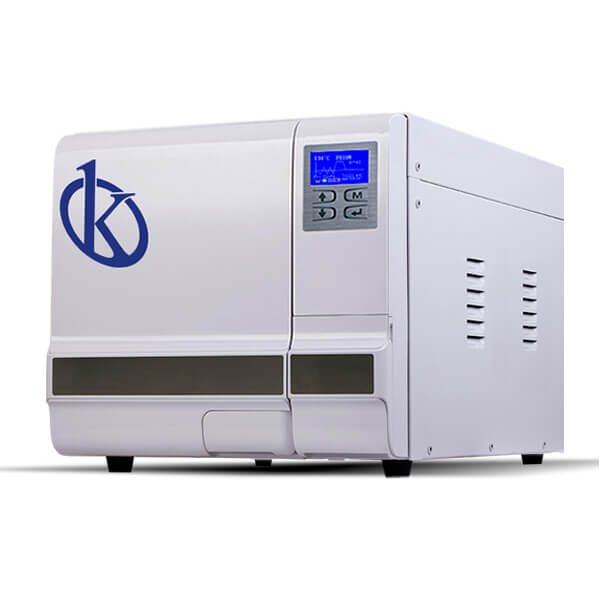
How to Integrate Horizontal Autoclaves with LIMS for Optimal Data Workflow
In modern laboratory environments, achieving efficiency and compliance is a top priority. One effective way to enhance laboratory operations is by integrating Horizontal Autoclaves with Laboratory Information Management Systems (LIMS). This integration not only streamlines data workflows but also supports compliance with essential standards and regulations. In this article, we will explore the benefits of this integration, compare various models of Horizontal Autoclaves, and discuss common challenges and solutions.
Understanding the Importance of LIMS Integration
Integrating Horizontal Autoclaves with LIMS creates a seamless data management environment. This integration facilitates accurate tracking of sterilization cycles, compliance with regulatory standards, and improved reporting capabilities. By ensuring that all data is recorded and accessible within the LIMS, laboratories can greatly reduce human error and improve overall efficiency.
Moreover, LIMS integration enables enhanced traceability. Each sterilization cycle can be logged automatically, allowing for easy retrieval of information when audits are necessary. This is particularly crucial for laboratories that must adhere to strict compliance regulations.
Comparison of Available Models
| Model | Chamber Volume (Liters) | Power (W) | Best for | Integration Effort |
|---|---|---|---|---|
| YR03387 | 8 | 1750 | Small clinics, beauty salons | Moderate |
| YR03388 | 12 | 1750 | Veterinary clinics | Moderate |
| YR03389 | 18 | 1750 | Small laboratories | Moderate |
| YR03390 | 23 | 1750 | Larger veterinary practices | High |
| YR03385C | 29 | 2300 | Clinical labs | High |
| YR03385B | 45 | 3800 | Large clinical settings | High |
Challenges in Data Integration
Despite the clear benefits of integrating Horizontal Autoclaves with LIMS, laboratories often face challenges. One common issue is the compatibility of different systems. Laboratories may need middleware or additional software to enable seamless communication between the autoclave and LIMS.
Another challenge is the need for proper training. Staff must be adequately trained on both the autoclave operations and LIMS functionalities to ensure data integrity. Additionally, routine maintenance of both systems is crucial to avoid data loss or equipment malfunction.
Common Mistakes and How to Avoid Them
One prevalent mistake when integrating Horizontal Autoclaves with LIMS is neglecting to assess the specific needs of the laboratory. Not all models are suited for all laboratory environments. For instance, smaller clinics may benefit more from the YR03387 model, while larger institutions might require the YR03385B.
Furthermore, overlooking the importance of calibration and validation can lead to compliance issues. It is essential to regularly calibrate the autoclave and ensure that LIMS accurately reflects these calibrations.
Data Flow Optimization Techniques
Optimizing data flow between Horizontal Autoclaves and LIMS involves leveraging specific protocols and features. Understanding connectivity options, such as HL7 or ASTM, can greatly enhance the effectiveness of the integration.
Moreover, setting up automated alerts and reports in LIMS can streamline monitoring sterilization cycles. This ensures that critical data is always accessible without manual intervention, reducing the risk of human error.
Ensuring Compliance with Standards
The integration of Horizontal Autoclaves with LIMS is crucial for compliance with various standards. For example, ensuring that the autoclaves comply with EN13060 is necessary for European labs. This standard mandates specific performance criteria, which can be monitored and documented through LIMS integration.
Moreover, adherence to ISO 17025 can be facilitated by integrating data management systems. Laboratories can ensure that all sterilization processes are traceable and verifiable, a requirement for maintaining accreditation.
Frequently Asked Questions
How can I ensure my Horizontal Autoclave integrates with LIMS effectively?
To ensure effective integration of your Horizontal Autoclave with LIMS, consider models like YR03389, which offer enhanced connectivity options. Consult with your LIMS provider to set up compatible protocols, such as HL7 or REST, which facilitate seamless data exchange.
What benefits does LIMS provide for managing autoclave data?
LIMS offers significant benefits for managing autoclave data, including automatic logging of sterilization cycles, like those from the YR03390 model. This ensures accurate records for compliance and simplifies reporting for audits.
Which Horizontal Autoclave model is best for small laboratories integrating with LIMS?
The YR03387 model is best suited for small laboratories integrating with LIMS, as it provides adequate capacity and features for effective data management while being space-efficient.
How does LIMS help in meeting regulatory compliance for autoclaves?
LIMS assists in meeting regulatory compliance by providing built-in record-keeping and reporting functionalities, particularly for autoclaves like the YR03385C, which need to meet stringent performance standards.
What are the common pitfalls when integrating autoclaves with LIMS?
Common pitfalls include inadequate system compatibility and lack of staff training. Ensuring that the Horizontal Autoclave, such as the YR03388, is compatible with LIMS is crucial for successful integration.
How can I optimize the data workflow between my autoclave and LIMS?
Optimizing data workflow can be achieved by implementing automated data transfer protocols and establishing alert systems within LIMS, particularly for autoclaves like YR03389, enhancing tracking capabilities.
What should I look for in a Horizontal Autoclave for digital integration?
When selecting a Horizontal Autoclave for digital integration, focus on models like the YR03385B, which offer advanced connectivity options and can easily interface with LIMS for effective data management.
How often should I calibrate my autoclave integrated with LIMS?
Calibration frequency for your autoclave, such as the YR03390, should be determined by compliance standards and usage frequency, typically every 6 to 12 months, to ensure accuracy and reliability.
If you are looking for a fusion of innovation and quality, you have come to the right place. At Kalstein, we offer you the luxury of exploring our exclusive catalog of laboratory equipment. We manufacture every device to the highest standards of excellence. Our intuitive and seamless online purchasing channels are designed for your convenience, securing the most competitive prices. Hesitate no longer — we bring science to life, it is time to become part of our community.