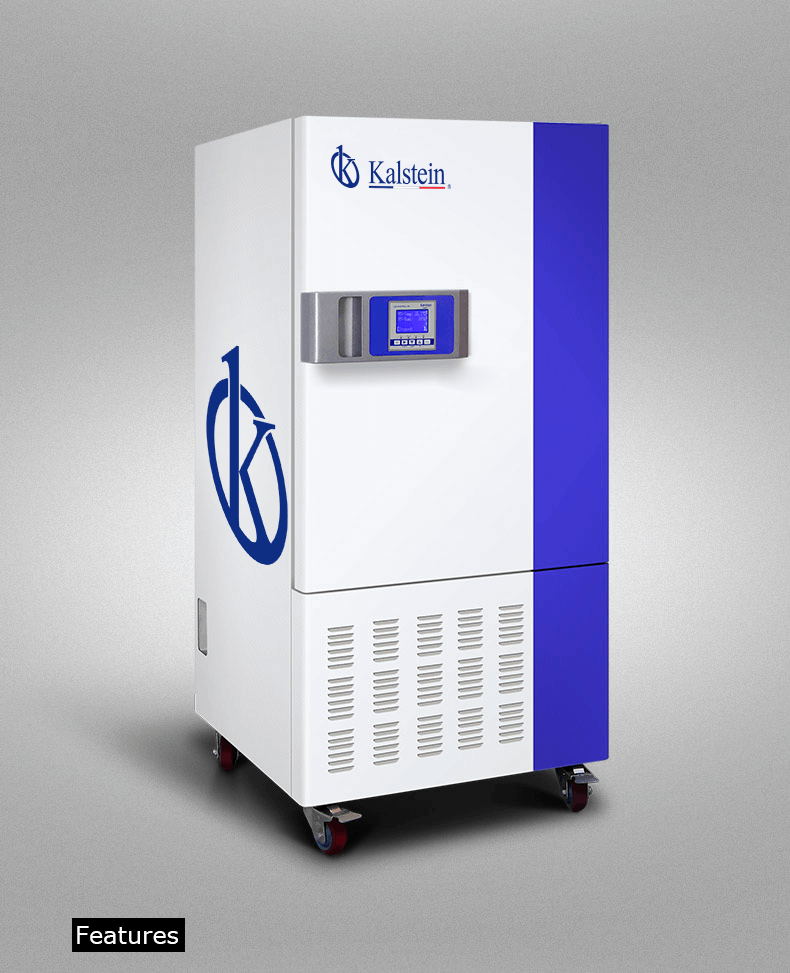
How to Integrate Illumination Drug Stability Test Chambers with LIMS for Data Digitalization
In the evolving landscape of pharmaceutical laboratories, the integration of Illumination Drug Stability Test Chambers with Laboratory Information Management Systems (LIMS) is becoming increasingly essential. This integration is not just a trend; it is a necessity for enhancing operational efficiency, ensuring compliance, and driving data-driven decision-making. In this article, we will explore how these systems can work together to improve data digitalization, focusing on several models of illumination drug stability test chambers.
Understanding the Role of Illumination Drug Stability Test Chambers
Illumination Drug Stability Test Chambers are critical tools in the pharmaceutical industry, designed to evaluate the stability of drugs under various light conditions. These chambers simulate the environmental conditions that drugs may encounter and help in assessing the impact of light exposure on drug formulation. The integration with LIMS facilitates the seamless tracking and management of stability data, enhancing the reliability and accessibility of test results.
Benefits of LIMS Integration with Stability Test Chambers
Integrating illumination drug stability test chambers with LIMS offers multiple benefits, including streamlined workflows, improved data accuracy, and enhanced compliance with regulatory standards. This integration allows for the automatic recording of test conditions and results, significantly reducing manual entry errors and improving data integrity. Furthermore, LIMS can aid in generating comprehensive reports needed for regulatory submissions.
Technical Specifications of Illumination Drug Stability Test Chambers
When considering the integration with LIMS, it is vital to assess the technical specifications of the illumination drug stability test chambers. Here are three exemplary models:
| Model | Temperature Range | Lighting Options | Best for |
|---|---|---|---|
| YR05353 | 10~65 ℃ | 0~6000LX | Long-term studies |
| YR05353-1 | 10~65 ℃ | 0~6000LX | Accelerated testing |
| YR05353-2 | 10~65 ℃ | 0~6000LX | Failure evaluation |
Each model is equipped with advanced features such as a PID microprocessor controller, ensuring precise temperature control and environmental monitoring, which are critical for reliable stability testing.
Key Considerations for Successful Integration
When integrating illumination test chambers with LIMS, several key considerations must be addressed:
- Data Compatibility: Ensure that the LIMS can accurately capture and interpret the data output from the chambers.
- User Training: Provide training for laboratory personnel on how to effectively use both the test chambers and the LIMS.
- Connectivity Protocols: Choose a LIMS that supports the necessary protocols to facilitate seamless data transfer.
Comparison of Available Models
| Model | Connectivity | Protocols Supported | Integration Effort | Best for |
|---|---|---|---|---|
| YR05353 | USB, Ethernet | HL7, ASTM | Medium | Long-term studies |
| YR05353-1 | USB | ASTM | Low | Accelerated testing |
| YR05353-2 | Ethernet | HL7, ASTM | High | Failure evaluation |
Common Mistakes and How to Avoid Them
When integrating illumination drug stability test chambers with LIMS, laboratories often encounter several pitfalls:
- Neglecting Data Validation: Always validate the data being transferred to ensure integrity and accuracy.
- Ignoring User Feedback: Regularly solicit feedback from users to identify areas for improvement in the integration process.
- Underestimating Training Needs: Provide comprehensive training to ensure users are equipped to utilize both systems effectively.
Frequently Asked Questions
How does LIMS integration improve data management for illumination drug stability test chambers?
LIMS integration enhances data management by automating data capture from the illumination drug stability test chambers, such as the YR05353, which reduces manual entry errors and ensures real-time data availability for analysis. This automation improves compliance and facilitates regulatory reporting.
What features should I look for in an illumination drug stability test chamber for LIMS integration?
When selecting an illumination drug stability test chamber for LIMS integration, like the YR05353-1, consider features such as connectivity options (USB, Ethernet), support for standard protocols (HL7, ASTM), and automated data transfer capabilities to ensure seamless integration with your laboratory systems.
Which illumination drug stability test chamber is best for accelerated testing with LIMS?
The YR05353-1 is ideal for accelerated testing when integrated with LIMS, as it offers precise temperature control and multiple lighting options, allowing laboratories to simulate various storage conditions efficiently and analyze the stability of drug formulations under these scenarios.
What are the benefits of using a PID controller in illumination drug stability test chambers?
A PID controller, such as in the YR05353-2 model, provides highly accurate temperature control, which is essential for reliable stability testing. This ensures that the chamber maintains consistent conditions, thereby improving the validity of the stability data collected during LIMS integration.
How can I ensure regulatory compliance with my illumination drug stability test chambers?
To ensure compliance, laboratories must document all testing processes and results using LIMS, integrating models like the YR05353 that can capture critical data consistently. Following ISO 17025 standards during testing and data management will also aid in maintaining compliance.
What is the cost of integrating illumination drug stability test chambers with LIMS?
The cost varies based on the model selected, such as the YR05353-2, and the complexity of integration. On average, laboratories can expect initial setup costs for LIMS integration to range from $2,000 to $5,000, depending on customization and training requirements.
Which illumination drug stability test chamber should I select for failure evaluation?
The YR05353-2 is particularly suited for failure evaluation in illumination drug stability testing. Its robust features and LIMS compatibility make it an excellent choice for analyzing how light exposure affects drug formulations in a controlled environment.
How does automation in illumination drug stability test chambers benefit laboratories?
Automation in models like the YR05353 enhances efficiency by reducing the need for manual monitoring and data entry, thus allowing laboratory personnel to focus on analysis and other critical tasks. This results in improved productivity and accuracy in maintaining compliance with LIMS requirements.
If you are looking for a fusion of innovation and quality, you have come to the right place. At Kalstein, we offer you the luxury of exploring our exclusive catalog of laboratory equipment. We manufacture every device to the highest standards of excellence. Our intuitive and seamless online purchasing channels are designed for your convenience, securing the most competitive prices. Hesitate no longer — we bring science to life, it is time to become part of our community.