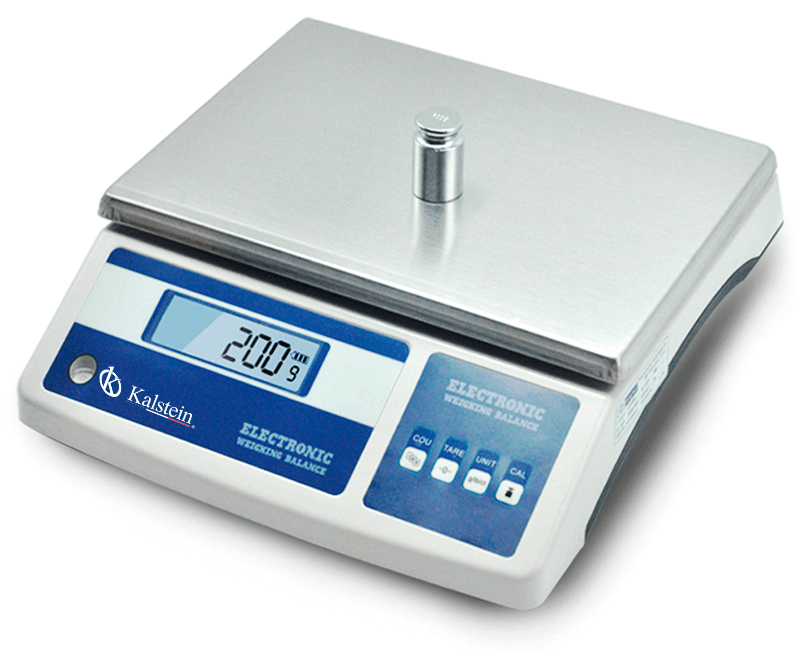
How to Integrate Industrial Balances with LIMS for Data Digitalization
The integration of Industrial Balances with Laboratory Information Management Systems (LIMS) is a vital strategy for optimizing laboratory workflows and ensuring accurate data management. In this article, we will examine the importance of this integration, explore various models of industrial balances, and provide insights into their specifications. We will also discuss common pitfalls and how to avoid them while answering frequently asked questions related to this integration.
Understanding the Role of Industrial Balances in LIMS Integration
Industrial balances play a crucial role in laboratories, providing accurate measurements necessary for data integrity. Integrating these balances with LIMS facilitates seamless data transfer, enhances reporting accuracy, and improves overall efficiency. The digitalization of data ensures that measurements can be recorded, analyzed, and shared effortlessly, contributing to better decision-making and regulatory compliance.
Comparison of Available Models
| Model | Capacity (kg) | Readability (g) | Best for | Integration Features |
|---|---|---|---|---|
| YR05606 | 11 | 1 | General Laboratory Use | Basic LIMS Connectivity |
| YR05607 | 16 | 1 | Heavy Materials | Advanced Data Handling |
| YR05608 | 21 | 1 | Large Sample Weighing | Comprehensive Reporting Capabilities |
| YR05609 | 31 | 1 | High Volume Labs | Full LIMS Integration |
| YR05610 | 5.1 | 0.1 | Precision Weighing | Data Transfer Protocols |
| YR05611 | 11 | 0.1 | Fine Materials | Notification Alerts |
Key Considerations for Integrating LIMS with Industrial Balances
When integrating industrial balances with LIMS, several key considerations must be taken into account. First, the type of communication protocol supported by both systems should be compatible to ensure smooth data exchange. Commonly used protocols include ASTM and HL7. Next, the calibration processes and traceability must be maintained to comply with regulations. Finally, user training is essential to maximize the benefits of the integration.
Connectivity Protocols and Integration Steps
Choosing the right connectivity protocol is vital for a successful integration of industrial balances into your LIMS. Commonly used protocols include:
- ASTM: Widely used for laboratory instruments to ensure standardized data transfer.
- HL7: Often utilized in health-related applications for seamless information sharing.
- REST API: Ideal for modern applications as it allows for real-time data exchange.
Integration steps typically involve configuring the balances, ensuring that the necessary drivers and software are installed, and conducting test runs to validate the integration.
Common Mistakes and How to Avoid Them
Integrating industrial balances with LIMS can pose several challenges. Common mistakes include overlooking compatibility issues, failing to maintain calibration records, and neglecting end-user training. To avoid these pitfalls, laboratories should conduct thorough compatibility assessments, maintain rigorous calibration schedules, and invest in user training sessions to ensure all personnel are proficient in using the new integrated system.
FAQs
How can I ensure my industrial balance complies with LIMS requirements?
To ensure compliance, choose models like the YR05609 which offers full LIMS integration capabilities. Regularly verify that your balance maintains calibration standards and adheres to industry protocols, ensuring accurate data transfer and reporting.
What are the best practices for calibrating industrial balances integrated with LIMS?
Best practices include establishing a calibration schedule, using certified standards, and documenting each calibration event in your LIMS. Balances like the YR05611 are designed to facilitate easy calibration tracking directly in the LIMS.
What features should I look for in an industrial balance for data digitalization?
Look for features such as advanced reporting, robust data transfer protocols, and user-friendly interfaces. Models like the YR05608 provide comprehensive reporting capabilities that enhance data management in LIMS.
How does LIMS integration improve data accuracy for industrial balances?
LIMS integration enhances data accuracy by automating data entry, reducing human errors, and ensuring that all measurements are recorded in real-time. This is especially beneficial for high-capacity balances like the YR05609.
What is the cost of integrating industrial balances with LIMS?
The cost varies depending on the model and integration complexity. Basic models such as the YR05606 may require minimal investment, while fully integrated systems like the YR05609 might entail additional costs for software and support.
How often should industrial balances be calibrated when integrated with LIMS?
Calibration frequency depends on usage and regulatory requirements. Generally, balances should be calibrated at least once a month or before crucial measurements. Balances like the YR05610 support efficient calibration processes directly through LIMS.
What benefits does LIMS integration bring to industrial balance operations?
LIMS integration streamlines data workflows, enhances accuracy, and provides comprehensive reporting capabilities. With advanced models such as the YR05608, laboratories can significantly improve efficiency and data management.
Which industrial balance model is best for high-precision tasks in a digitalized lab?
For high-precision tasks, the YR05610 is an excellent choice as it offers 0.1g readability and integrates seamlessly with LIMS for efficient data handling.
If you are looking for a fusion of innovation and quality, you have come to the right place. At Kalstein, we offer you the luxury of exploring our exclusive catalog of laboratory equipment. We manufacture every device to the highest standards of excellence. Our intuitive and seamless online purchasing channels are designed for your convenience, securing the most competitive prices. Hesitate no longer — we bring science to life, it is time to become part of our community.