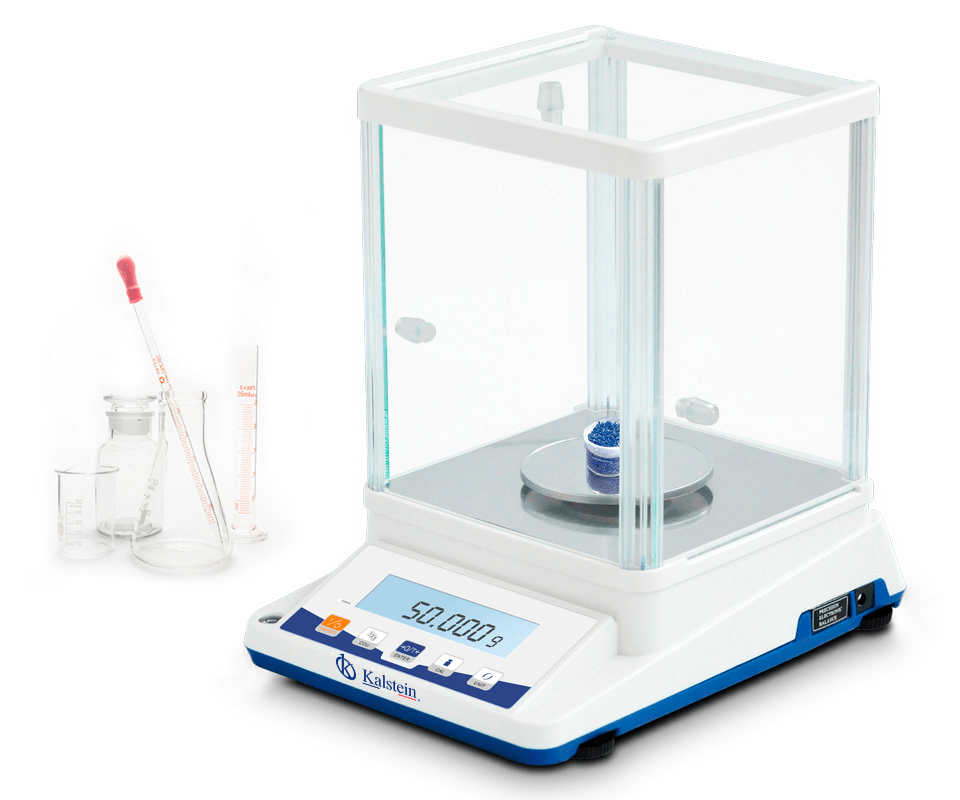
How to Integrate Precision Balances with LIMS for Enhanced Data Workflow
Integration of precision balances with Laboratory Information Management Systems (LIMS) is increasingly crucial in laboratories to streamline data handling and enhance operational efficiency. This guide delves into various models of precision balances and their compatibility with LIMS, focusing on how such integration can improve data flow, accuracy, and overall laboratory productivity.
Understanding Precision Balances and Their Role in Laboratories
Precision balances are sophisticated weighing instruments designed to deliver high accuracy in measurements, typically to the milligram or microgram level. They are essential in laboratories where precise measurements are critical, such as in pharmaceuticals, chemicals, food testing, and research labs. With the rise of digitalization, understanding how to integrate these balances with advanced systems like LIMS is vital for enhancing laboratory workflows.
Comparison of Available Models
| Model | Capacity (g) | Readability (g) | Best for |
|---|---|---|---|
| YR05584 | 110 | 0.001 | Small scale applications, research |
| YR05585 | 210 | 0.001 | General laboratory use |
| YR05586 | 310 | 0.001 | Analytical chemistry |
| YR05587 | 410 | 0.001 | Precision tasks in laboratories |
| YR05588 | 2100 | 0.01 | Industrial applications |
| YR05589 | 3100 | 0.01 | Laboratories with high-capacity needs |
Benefits of LIMS Integration with Precision Balances
Integrating precision balances with a LIMS offers numerous advantages, such as improved data accuracy, real-time data access, and enhanced traceability. This integration allows for seamless data transfer from the balance to the laboratory system, minimizing human errors and optimizing the workflow. For instance, models like the YR05586, with their high readability and precision, can greatly improve the accuracy of recorded data.
Key Integration Protocols for Precision Balances
Successful integration of precision balances with LIMS often relies on standardized communication protocols. Common protocols include ASTM and HL7, which enable data exchange between instruments and laboratory management systems. These protocols ensure that balances like the YR05584 can transmit weight data directly to LIMS, facilitating immediate access and analysis.
Navigating Data Sovereignty in LIMS Integration
Data sovereignty refers to the concept of data being subject to the laws of the country where it is collected. When integrating precision balances with LIMS, it is essential to consider local regulations regarding data storage and handling. Ensuring compliance while using models like the YR05585 can help laboratories maintain regulatory standards without compromising operational efficiency.
Common Pitfalls in Integrating Precision Balances with LIMS
Despite the benefits, laboratories may encounter challenges when integrating precision balances with LIMS. Common mistakes include inadequate training on the LIMS, failure to test integration before full implementation, and overlooking data validation processes. Understanding these pitfalls helps in effectively utilizing precision balances such as the YR05587, ensuring that all data collected is reliable and accurate.
FAQs about Precision Balance Integration with LIMS
How can I ensure my precision balance complies with LIMS integration standards?
Ensuring compliance involves selecting a precision balance like the YR05588 that supports standard communication protocols such as ASTM. It is also essential to work with your LIMS provider to implement necessary compliance checks and validate data transfer processes effectively.
What are the best practices for maintaining data integrity in LIMS-integrated balances?
Best practices include regular calibration of models like the YR05586, implementing stringent access controls, and conducting periodic audits of data logs to ensure accuracy and consistency in measurements recorded by precision balances.
Which precision balance is most suitable for high-capacity laboratory needs?
The YR05589 model is particularly suitable for high-capacity laboratory needs, offering a maximum capacity of 3100g and precision suitable for industrial applications when integrated with LIMS for automated data handling.
How does LIMS benefit the workflow of precision balance users?
LIMS enhances workflow by automating data entry from precision balances like the YR05584 directly into the system, thereby reducing manual errors, improving speed, and allowing for real-time data access which is crucial for laboratory operations.
What connectivity options should I consider for integrating a precision balance?
Consider options like USB, RS232, or Ethernet connectivity, which are commonly supported by models such as the YR05585. These options ensure that your precision balance can easily interface with your LIMS, allowing for seamless data integration.
What role does user training play in the successful integration of LIMS and precision balances?
User training is critical as it ensures that laboratory personnel know how to operate precision balances like the YR05587 efficiently and understand the importance of accurate data handling within the LIMS environment.
How can I assess the cost-effectiveness of integrating precision balances with LIMS?
To assess cost-effectiveness, consider metrics like reduced labor costs from automated data entry and potential gains in data accuracy, especially when using precise balances like the YR05588. A cost-benefit analysis can illuminate the financial advantages of integration.
What is the impact of real-time data access on laboratory processes?
Real-time data access facilitated by LIMS integration with precision balances like the YR05586 significantly enhances laboratory processes by enabling immediate decision-making, improving response times, and streamlining workflows.
Common Mistakes and How to Avoid Them
One common mistake when integrating precision balances with LIMS is neglecting to conduct a comprehensive assessment of the laboratory's current data management processes. It is crucial to evaluate existing systems and infrastructure before integration to ensure compatibility and efficiency. Another frequent pitfall is underestimating the importance of user training, which can lead to inefficiencies and errors in data handling.
Conclusion and Call to Action
Integrating precision balances with LIMS presents a transformative opportunity for laboratories to enhance their data workflow and operational efficiency. By choosing the right models, understanding integration protocols, and training users, laboratories can achieve significant improvements in data accuracy and productivity. If you are looking for a fusion of innovation and quality, you have come to the right place. At Kalstein, we offer you the luxury of exploring our exclusive catalog of laboratory equipment. We manufacture every device to the highest standards of excellence. Our intuitive and seamless online purchasing channels are designed for your convenience, securing the most competitive prices. Hesitate no longer — we bring science to life, it is time to become part of our community.