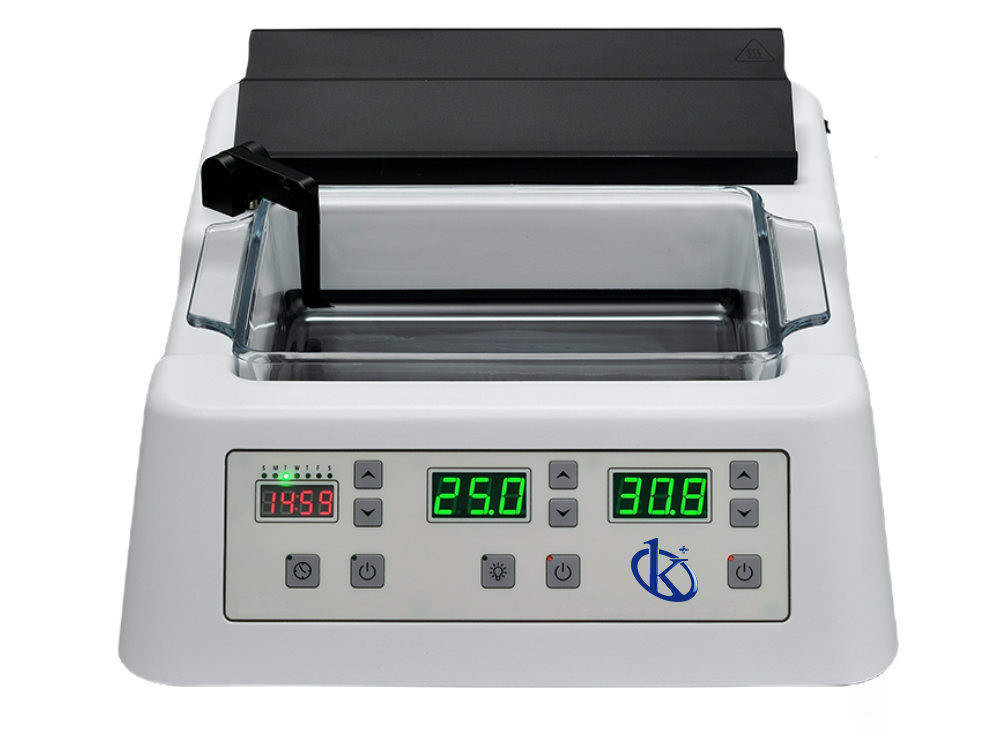
How to Integrate Tissue Flotation Workstations with LIMS for Enhanced Data Flow
As laboratory environments continue to evolve, the integration of systems like Laboratory Information Management Systems (LIMS) with essential equipment such as tissue flotation workstations plays a critical role in optimizing workflows and enhancing data management. This article delves into the importance of LIMS integration in the context of tissue flotation, discusses various workstation models, and provides insights on improving operational efficiency.
Understanding Tissue Flotation Workstations in the Context of LIMS
Tissue flotation workstations are fundamental tools in histopathology, allowing for the careful management of tissue samples. These workstations operate in tandem with LIMS to streamline processes, ensuring that samples are accurately tracked from reception to analysis. Integrating these workstations with LIMS can facilitate real-time monitoring, automated data entry, and compliance with various regulatory standards.
Key Benefits of LIMS Integration
Integrating tissue flotation workstations with LIMS offers several benefits including improved data accuracy, reduced manual entry errors, enhanced compliance with industry regulations, and better resource management. The combination results in a more efficient workflow and enables labs to maintain high standards of operational excellence.
Comparison of Available Models
| Model | Temperature Control | Memory Functions | Best For |
|---|---|---|---|
| YR457-1 | RT - 70℃; ±2℃ precision | Automatic memory restoration | High throughput labs needing reliability |
| YR456 | RT - 70℃; ±2℃ precision | Automatic memory restoration | Medium capacity labs with diverse needs |
| YR457 | RT - 70℃; ±2℃ precision | Automatic memory restoration | Bespoke setups requiring precise control |
Connecting Tissue Flotation Workstations to LIMS
Establishing a connection between tissue flotation workstations and LIMS requires understanding the data flow and connectivity protocols involved. Key connectivity standards such as HL7 or ASTM can facilitate the integration process, allowing for seamless data exchange. This helps ensure that all relevant data is captured and stored within the LIMS, improving traceability and compliance.
Common Mistakes and How to Avoid Them
Integrating tissue flotation workstations with LIMS can come with challenges. Common mistakes include inadequate training, overlooking software compatibility, and neglecting data security measures. To avoid these pitfalls, ensure comprehensive training for laboratory staff, conduct thorough compatibility checks, and prioritize robust data protection protocols.
Data Management Protocols for LIMS Integration
Developing clear data management protocols is essential for successful LIMS integration. Establishing guidelines for data entry, sample tracking, and reporting can help streamline processes. Regular audits and validations also ensure that the integration remains effective and compliant with industry standards.
Impact on Laboratory Efficiency
The integration of tissue flotation workstations with LIMS can significantly boost laboratory efficiency. By automating data input and sample tracking, laboratories can reduce processing time and eliminate bottlenecks. This efficiency translates into faster turnaround times for sample analysis and reporting.
Sustainability Considerations in LIMS Integration
As laboratories increasingly prioritize sustainability, integrating tissue flotation workstations with LIMS can help monitor and reduce waste. Implementing energy-efficient practices and tracking resource usage within the LIMS can provide insights into sustainability metrics, driving further improvements.
Frequently Asked Questions
How can LIMS integration improve the workflow of tissue flotation analysis?
LIMS integration significantly enhances workflow by automating data entry and sample tracking, which minimizes manual errors and speeds up processing. For instance, models like YR457-1 offer seamless data management capabilities that complement LIMS integration.
What are the temperature control specifications for tissue flotation workstations?
Most tissue flotation workstations, such as the YR456 model, maintain a temperature range of RT - 70℃ with a precision of ±2℃. This control is critical for achieving consistent results in tissue preparation.
Which LIMS protocols are best for connecting tissue flotation workstations?
Protocols like HL7 and ASTM are commonly used for connecting tissue flotation workstations to LIMS. These protocols ensure smooth data transfer and enhance the lab's operational efficiency.
What common mistakes should laboratories avoid during LIMS integration for tissue flotation?
Common mistakes include inadequate staff training and failing to ensure software compatibility. Laboratories should invest in comprehensive training and compatibility assessments for successful integration.
How does automated data entry through LIMS impact tissue sample management?
Automated data entry reduces human errors and accelerates the sample management process. Workstations like YR457 streamline this process by allowing easy integration with LIMS for accurate and timely data reporting.
What sustainability benefits arise from integrating tissue flotation workstations with LIMS?
Integrating these systems allows laboratories to track resource usage and optimize processes, leading to reduced waste and improved energy efficiency. This is particularly vital in labs aiming for sustainability certifications.
What should a laboratory consider when choosing a tissue flotation workstation for LIMS integration?
Laboratories should consider factors such as temperature control precision, connectivity options, and ease of use. Models like YR456 offer diverse functionalities that cater to varying laboratory needs and integration capabilities.
How does data protection factor into LIMS integration for tissue flotation?
Data protection is crucial during LIMS integration to prevent unauthorized access and data breaches. Implementing robust security measures and user access controls is essential for maintaining compliance and data integrity.
If you are looking for a fusion of innovation and quality, you have come to the right place. At Kalstein, we offer you the luxury of exploring our exclusive catalog of laboratory equipment. We manufacture every device to the highest standards of excellence. Our intuitive and seamless online purchasing channels are designed for your convenience, securing the most competitive prices. Hesitate no longer — we bring science to life, it is time to become part of our community.