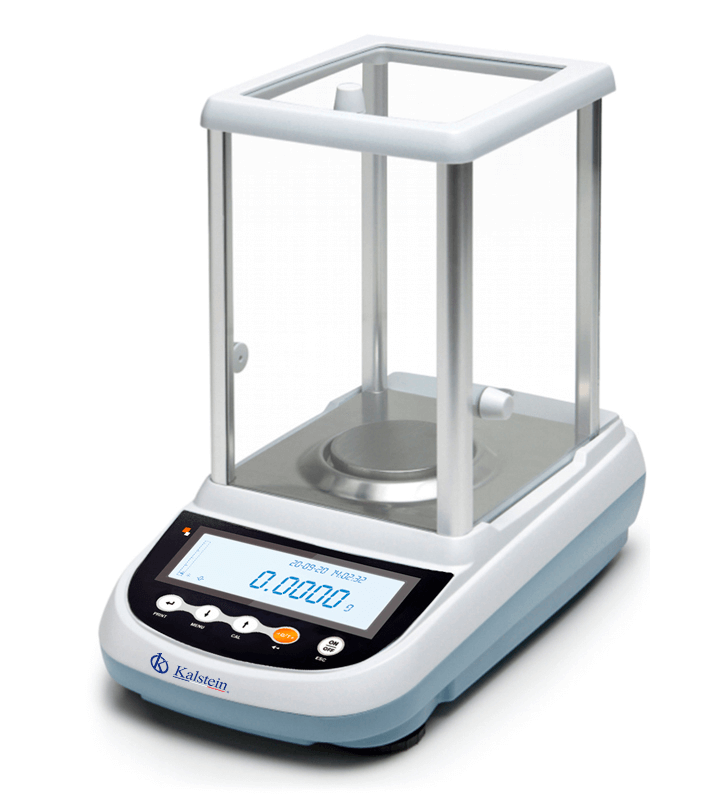
Integrating Analytical Balances with LIMS: A Guide for Data Digitalization
In the ever-evolving landscape of laboratory operations, the integration of analytical balances with Laboratory Information Management Systems (LIMS) has emerged as a critical focus. This integration facilitates data digitalization, streamlining workflows, and enhancing overall laboratory efficiency. In this article, we will delve into the importance of this integration, explore various models of analytical balances, and discuss how they align with LIMS for optimal data handling.
Understanding the Importance of LIMS Integration
The modern laboratory environment demands precision and efficiency. LIMS integration provides a centralized platform for data management, allowing for seamless tracking and analysis of samples. By integrating analytical balances into LIMS, laboratories can automate data entry, minimize errors, and enhance traceability. This results in improved compliance with regulatory standards such as ISO 17025, ensuring that laboratories maintain the highest quality of results.
Key Features of Analytical Balances for LIMS Integration
When choosing an analytical balance for LIMS integration, several key features must be considered:
- Connectivity Options: Ensure the balance supports RS232 or USB for easy data transfer.
- Automatic Calibration: Models with internal calibration reduce manual intervention and maintain accuracy.
- User-Friendly Interface: A clear LCD display and touch controls facilitate quick operations.
- Data Exporting Capabilities: Look for models that allow direct data transfer to LIMS.
Comparison of Available Models
| Model | Capacity (g) | Resolution (g) | Key Feature | Price (USD) |
|---|---|---|---|---|
| YR05568 | 220 | 0.1 mg | Automatic internal calibration | 790.00 |
| YR05569 | 310 | 0.1 mg | Fast stabilization time | 825.00 |
| YR05570 | 410 | 0.1 mg | High stability load cell | 1080.00 |
| YR05571 | 510 | 0.1 mg | Versatile connectivity options | 1125.00 |
| YR05572 | 610 | 0.1 mg | Precision performance | 1240.00 |
| YR05573 | 100 | 0.0001 g | Touch panel interface | 325.00 |
Common Mistakes and How to Avoid Them
When integrating analytical balances with LIMS, several common mistakes can lead to inefficiencies:
- Neglecting Compatibility: Always verify that the analytical balance is compatible with your existing LIMS.
- Overlooking User Training: Ensure that laboratory personnel are trained on both the balance and LIMS to reduce errors.
- Failing to Validate Data Transfer: Regularly check and validate that data from the balance is accurately transferred to the LIMS.
Detailed Look at Each Analytical Balance Model
YR05568: High-Performance Model
The YR05568 analytical balance is designed for laboratories requiring high measurement performance. Its automatic internal calibration function ensures measurements are accurate and unaffected by environmental changes. This model is ideal for integration with LIMS due to its RS232 interface, facilitating straightforward data export and supporting ISO 17025 compliance.
YR05569: Versatile and Reliable
With a capacity of 310g and a resolution of 0.1 mg, the YR05569 offers fast stabilization times which enhance productivity in the lab. Its robust design and reliable performance make it suitable for various applications, particularly in settings that demand high accuracy and integration with digital systems such as LIMS.
YR05570: Enhanced Stability
The YR05570 features a high stability load cell that helps in obtaining precise measurements consistently. Its ability to connect seamlessly to LIMS means data can be easily captured and analyzed, making it a valuable asset in laboratories focusing on data integrity and efficiency.
YR05571: Connectivity Focused
This model is tailored for labs that require versatile connectivity options. The YR05571 can interface with a variety of LIMS, ensuring that data management processes are smooth and enhances traceability vital for regulatory compliance.
YR05572: Maximum Capacity
The YR05572 analytical balance provides a maximum capacity of 610g and is built for precision. Its design ensures that it remains stable under varying temperatures, making it a perfect candidate for LIMS integration in environments where data accuracy is critical.
YR05573: Touch Interface Innovation
The YR05573 stands out with its touch panel interface and automatic internal calibration. This model is particularly beneficial for labs that manage a high volume of samples and require real-time data integration with LIMS, thus improving workflow efficiency.
Frequently Asked Questions
What are the data transfer protocols supported by analytical balances for LIMS integration?
Analytical balances like the YR05570 support RS232 and USB protocols, making them suitable for seamless integration with LIMS. This ensures that data accuracy is maintained and facilitates easy traceability in compliance with ISO 17025 standards.
How can I ensure my analytical balance is compliant with regulatory standards?
To ensure compliance, regularly calibrate your analytical balance, like the YR05568, which features automatic internal calibration. This function helps maintain accuracy and supports compliance with standards such as ISO 17025.
What is the maximum capacity of analytical balances available for laboratory use?
The YR05572 offers a maximum capacity of 610g, making it suitable for various laboratory applications. Its design is ideal for integration with LIMS, allowing efficient data management and compliance.
How do I validate data integration from an analytical balance to LIMS?
Validation can be achieved by periodically checking that data from your balance, such as the YR05569, transfers correctly to LIMS. Establishing a protocol for regular audits will also help maintain data integrity.
What advantages do automated calibration features provide in analytical balances?
Automated calibration, as seen in the YR05570, provides consistent measurement accuracy without manual intervention. This feature is crucial for LIMS integration as it enhances reliability and compliance with regulatory standards.
What role do analytical balances play in enhancing laboratory productivity?
Analytical balances like the YR05571 enhance productivity by minimizing manual data entry and errors through direct integration with LIMS. This streamlining allows laboratories to focus on analysis rather than data management.
Closing Thoughts
If you are looking for a fusion of innovation and quality, you have come to the right place. At Kalstein, we offer you the luxury of exploring our exclusive catalog of laboratory equipment. We manufacture every device to the highest standards of excellence. Our intuitive and seamless online purchasing channels are designed for your convenience, securing the most competitive prices. Hesitate no longer — we bring science to life, it is time to become part of our community.