Integrating Chemiluminescence Consumables with LIMS: Enhancing Data Workflow
The integration of chemiluminescence consumables with Laboratory Information Management Systems (LIMS) is essential for optimizing laboratory workflows and improving data accuracy. As laboratories increasingly rely on automation and digital solutions, understanding how to effectively utilize consumables like Reaction Cuvettes, System Washing Solutions, and substrates becomes crucial in enhancing analytical efficiency. This article explores key models in the chemiluminescence consumables category, providing insights into their integration with LIMS to streamline clinical data management.
Understanding the Importance of LIMS Integration
Laboratories face growing pressure to enhance operational efficiency while maintaining the integrity and accuracy of test results. Integrating chemiluminescence consumables with a LIMS can significantly improve data workflow by automating data entry, tracking samples, and ensuring compliance with regulatory standards. A seamless connection between consumables and LIMS not only minimizes manual errors but also promotes real-time data accessibility, which is vital for timely decision-making in clinical settings.
Key Models of Chemiluminescence Consumables
Several models stand out in the chemiluminescence consumables category, each offering unique strengths that facilitate enhanced integration with LIMS:
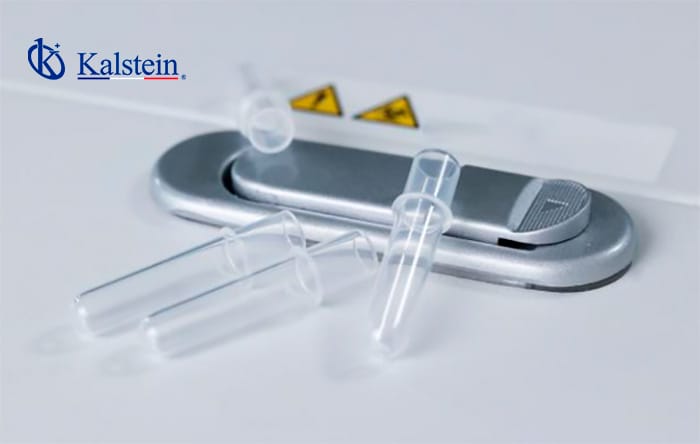
- Reaction Cuvette YRA400: Designed for CLIA analyzers, these cuvettes are crucial for accurate measurement and mixing, with a capacity of 1,000 pieces per bag, ensuring high throughput in clinical applications.
- System Washing Solution YRA401: This specialized cleaning solution enhances system performance by ensuring optimal separation and cleaning of reagents, essential for maintaining the integrity of test results in LIMS-supported workflows.
- Substrate YRA402: An essential component for CLIA analyzers, this substrate allows for the quantitative detection of alkaline phosphatase, ensuring reliable outcomes that can be efficiently recorded and processed through LIMS.
- POCT Consumables Strips YRA404: These are specifically designed for early pregnancy diagnosis, measuring key hormones such as progesterone and HCG, and are well-suited for integration into LIMS for real-time data capture.
Comparison of Available Models
| Model | Integration Effort | Best For | Price (USD) |
|---|---|---|---|
| YRA400 | Low | High-throughput clinical applications | 30.00 |
| YRA401 | Medium | System maintenance and performance | 10.00 |
| YRA402 | Medium | Quantitative analysis in clinical settings | 22.00 |
| YRA404 | Low | Early pregnancy diagnostics | 30.00 |
Key Connectivity Protocols for LIMS Integration
Integrating chemiluminescence consumables with LIMS requires understanding various connectivity protocols. Commonly used protocols include HL7 for health information exchange, ASTM for laboratory data, and REST for web services. Selecting the right protocol depends on the specific laboratory needs, the type of analyzers in use, and the overall data management strategy. Each model, such as the YRA400 or YRA401, can leverage these protocols to ensure seamless data transfer and processing.
Challenges in LIMS Integration and How to Overcome Them
While integrating consumables with LIMS can yield numerous benefits, several challenges may arise, such as data inconsistency, user training, and system compatibility. To overcome these challenges, it is crucial to establish a clear integration plan, involving stakeholders in the training process and ensuring that the chosen consumables, like the YRA402 substrate, are compatible with the existing LIMS. Regular audits and updates to the system can also help maintain optimal functionality.
Common Mistakes and How to Avoid Them
One of the most common mistakes laboratories make when integrating chemiluminescence consumables with LIMS is underestimating the importance of staff training. A well-informed team can significantly enhance the overall efficiency of the integrated system. Additionally, overlooking the importance of data validation can lead to significant discrepancies in results. Establishing robust validation procedures and investing in staff training programs can mitigate these risks.
Frequently Asked Questions
How can chemiluminescence consumables improve my laboratory's data accuracy?
Chemiluminescence consumables, such as the Reaction Cuvette YRA400, enhance data accuracy by providing reliable measurements in CLIA analyzers, which can then be seamlessly tracked and managed through a LIMS. This integration reduces manual entries, thereby minimizing errors and improving overall data integrity.
Which LIMS features are essential for integrating chemiluminescence consumables?
Essential LIMS features for integrating chemiluminescence consumables include data tracking, real-time reporting, and compatibility with various connectivity protocols like HL7. These features ensure that models like the YRA401 can be effectively integrated, enhancing lab productivity and data management.
What are the best practices for maintaining LIMS-integrated chemiluminescence systems?
Best practices include regular calibration of devices, using high-quality consumables like the Substrate YRA402, and conducting routine training sessions for laboratory staff. These strategies ensure data accuracy and reliability in LIMS-integrated systems.
How does the YRA401 washing solution enhance LIMS data integrity?
The YRA401 washing solution ensures that the analyzers are free of contamination, leading to more accurate test results that can be directly uploaded to the LIMS. This precise cleaning action helps maintain data integrity throughout the testing process.
What are the cost benefits of integrating chemiluminescence consumables with LIMS?
Integrating chemiluminescence consumables, such as the POCT Consumables Strips YRA404, with LIMS can lead to significant cost savings by reducing manual errors and improving throughput. This ultimately lowers the overall cost per test while enhancing efficiency in laboratories.
How can I ensure compliance when using chemiluminescence consumables with LIMS?
To ensure compliance, laboratories should select consumables that meet regulatory standards, such as the CE certification found in models like YRA400. Regular audits and adherence to LIMS validation procedures can further support compliance efforts.
What integration challenges should I prepare for with chemiluminescence consumables?
Integration challenges may include system compatibility and data management issues. Preparing for these challenges involves conducting thorough compatibility assessments and ensuring proper staff training on the LIMS and its interaction with consumables like YRA402.
How often should we review our LIMS and consumables integration?
It is advised to review the LIMS and consumables integration regularly, ideally bi-annually. This ensures that systems remain efficient and any emerging issues with models like YRA404 can be promptly addressed to maintain optimal performance.
If you are looking for a fusion of innovation and quality, you have come to the right place. At Kalstein, we offer you the luxury of exploring our exclusive catalog of laboratory equipment. We manufacture every device to the highest standards of excellence. Our intuitive and seamless online purchasing channels are designed for your convenience, securing the most competitive prices. Hesitate no longer — we bring science to life, it is time to become part of our community.