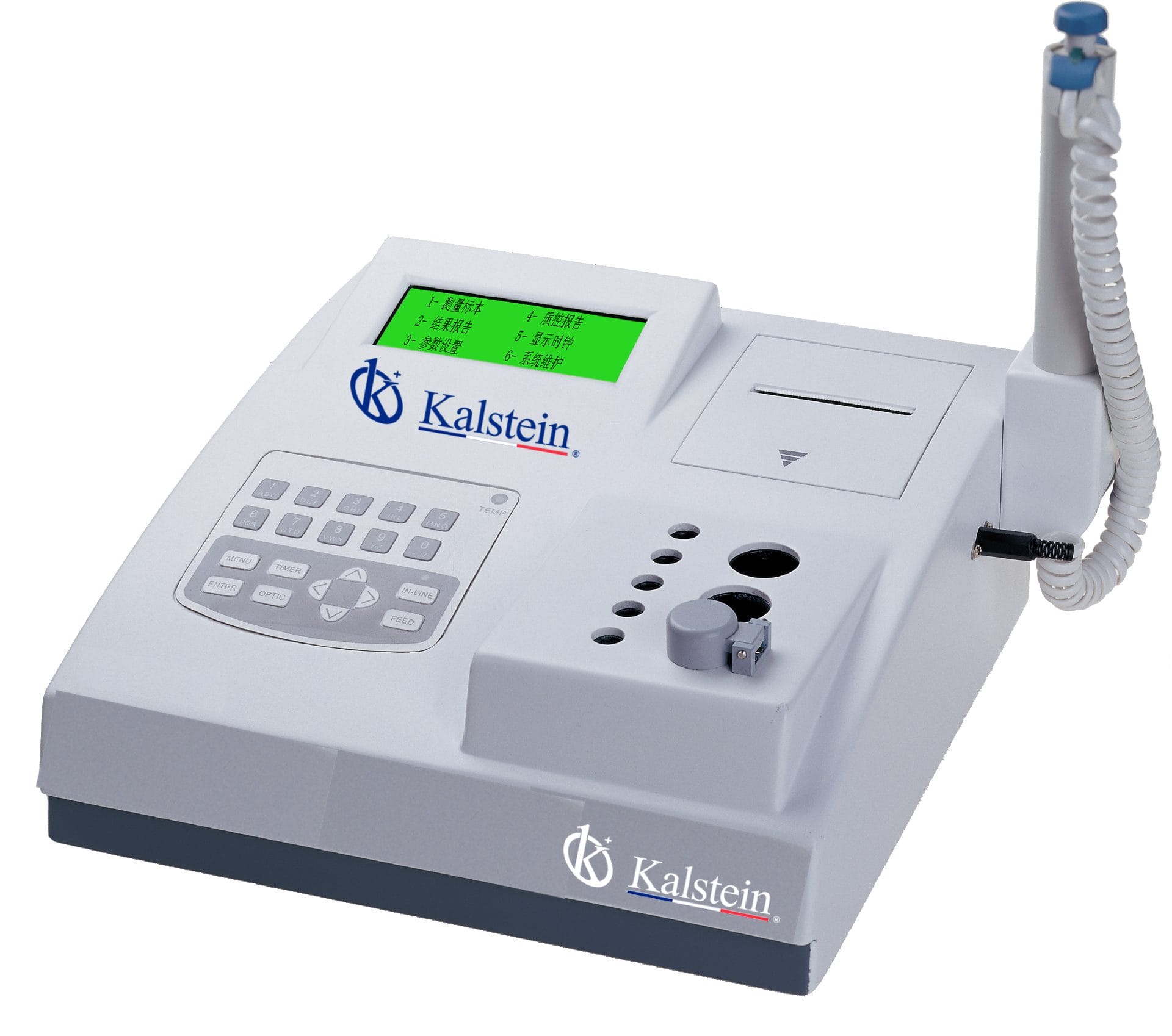
Integrating Coagulation Analyzers with LIMS: Enhancing Data Flow Digitalization
As laboratories increasingly adopt digital solutions, the integration of coagulation analyzers with Laboratory Information Management Systems (LIMS) has become a vital focus for enhancing data flow and improving workflow efficiency. This article delves into the benefits, technical aspects, and practical applications of integrating coagulation analyzers, particularly the models YR05117, YR05118, YR06083, and YR06082, into a LIMS ecosystem, ensuring seamless data management and compliance with industry standards.
Understanding Coagulation Analyzer Integration with LIMS
Coagulation analyzers play a crucial role in hematology labs, providing essential data for patient diagnosis and treatment. When integrated with LIMS, these analyzers not only streamline operations but also enhance data accuracy and traceability. The integration allows for real-time data transfer, reducing manual entry errors and facilitating efficient reporting.
Benefits of LIMS Integration
Integrating coagulation analyzers with LIMS provides several key benefits:
- Improved Data Accuracy: Real-time data flow minimizes the risk of transcription errors.
- Enhanced Compliance: Automatic data capture aids in meeting regulatory requirements such as ISO 15189.
- Time Efficiency: Streamlined workflows reduce the time spent on manual data entry and processing.
- Better Resource Management: Data insights allow labs to optimize reagent usage and reduce waste.
Connectivity Protocols for Seamless Integration
The integration of coagulation analyzers with LIMS requires specific connectivity protocols to facilitate data exchange. Commonly used protocols include:
- HL7: A widely used standard for data exchange in healthcare environments.
- ASTM: Standard guide for laboratory instrumentation integration.
- RESTful APIs: Facilitate easy communication between devices and software applications.
Comparison of Available Models
| Model | Channels | Sample Consumption (uL) | Reagent Consumption (uL) | Memory Capacity | Best For |
|---|---|---|---|---|---|
| YR05117 | 2 | 20-40 | PT: 40, APTT: 20 | 10,000 results | Routine Testing |
| YR05118 | 4 | 20-40 | PT: 40, APTT: 20 | 10,000 results | High-Throughput Labs |
| YR06083 | 2 | 20-40 | PT: 40, APTT: 20 | 10,000 results | Automation Ready |
| YR06082 | 2 | 20-40 | PT: 40, APTT: 20 | 10,000 results | Compact Labs |
Common Mistakes and How to Avoid Them
While integrating coagulation analyzers with LIMS, several mistakes can hinder efficiency. Common pitfalls include:
- Underestimating Training: Ensure all users are trained on both the analyzer and LIMS functionalities.
- Ignoring Vendor Support: Utilize vendor resources for troubleshooting and guidance during integration.
- Neglecting Data Validation: Implement validation protocols to ensure data integrity post-integration.
Frequently Asked Questions
How does integrating coagulation analyzers with LIMS improve data accuracy?
Integrating models like YR05117 with LIMS ensures data is automatically captured and stored, reducing the chances of human error in transcription. This integration leads to more reliable patient results and compliance with ISO 15189 standards.
What are the best practices for LIMS integration with coagulation analyzers?
Best practices include using standardized connectivity protocols such as HL7, ensuring thorough training for lab personnel, and implementing regular data validation checks to maintain accuracy and compliance in workflow.
Which coagulation analyzers are best for high-throughput labs?
The YR05118 model is particularly well-suited for high-throughput labs, offering four channels for testing and a memory capacity of 10,000 results, making it ideal for labs with high volume testing needs.
How can a LIMS-integrated coagulation analyzer streamline laboratory operations?
A LIMS-integrated coagulation analyzer, such as the YR06083, automates data entry and management, allowing for real-time monitoring of test results and significantly reducing turnaround times, improving overall lab efficiency.
What connectivity protocols are commonly used for coagulation analyzers and LIMS?
Common connectivity protocols include HL7 for health data exchange, ASTM for laboratory integration, and RESTful APIs for easy communication between the coagulation analyzers and the LIMS, facilitating efficient data flow.
What is the cost implication of integrating coagulation analyzers with LIMS?
The cost of integration depends on the specific models and LIMS used, but investing in systems like the YR06082 can lead to long-term savings by enhancing data management efficiency and compliance with standards.
What role does data validation play in LIMS integration for coagulation analyzers?
Data validation is critical in ensuring the accuracy and integrity of results. Regular checks help identify discrepancies and maintain compliance with industry standards, especially when using analyzers like the YR05117.
How can laboratories ensure compliance with regulatory standards when using coagulation analyzers?
To ensure compliance, laboratories should implement best practices in data management and utilize analyzers like YR05118 that support traceability and automatic data capture required for ISO and other regulatory standards.
If you are looking for a fusion of innovation and quality, you have come to the right place. At Kalstein, we offer you the luxury of exploring our exclusive catalog of laboratory equipment. We manufacture every device to the highest standards of excellence. Our intuitive and seamless online purchasing channels are designed for your convenience, securing the most competitive prices. Hesitate no longer — we bring science to life, it is time to become part of our community.