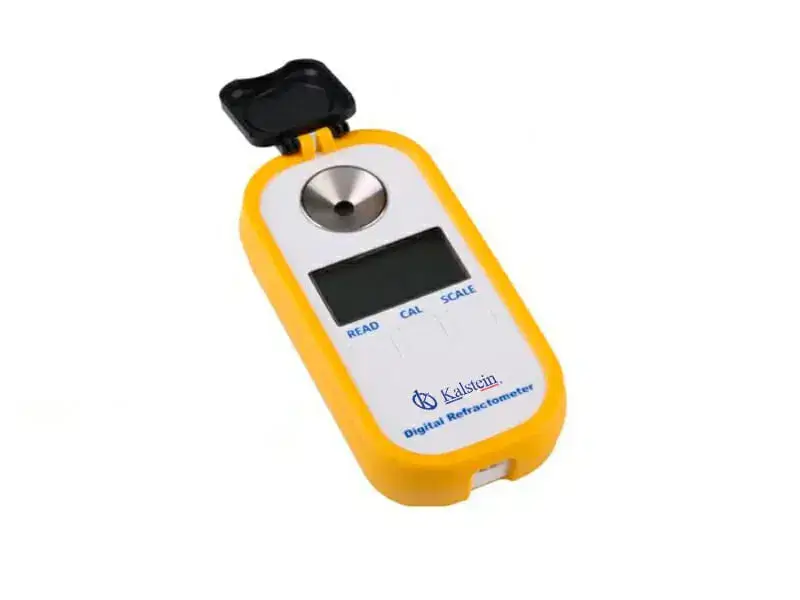
Integrating Digital Salinity Refractometers with LIMS: Optimizing Data Flow in Laboratories
Digital salinity refractometers play a crucial role in laboratory settings, particularly in fields such as marine biology, food science, and environmental monitoring. As laboratories increasingly transition to digital systems and data management via Laboratory Information Management Systems (LIMS), understanding how these refractometers can integrate and optimize data flow becomes paramount. This article delves into the integration of digital salinity refractometers with LIMS, discussing best practices, common mistakes, and a comparison of available models to enhance laboratory efficiency.
Understanding Digital Salinity Refractometers and Their Role in LIMS Integration
Digital salinity refractometers measure the salinity and refractive index of solutions. They are essential for applications requiring precise salinity readings, such as water quality testing and food processing. These devices facilitate the collection of accurate data, which can be seamlessly integrated into LIMS for improved workflow, data accessibility, and traceability.
The integration of digital salinity refractometers with LIMS allows for automated data entry, reducing human error and improving efficiency. This digital transformation supports laboratories in meeting regulatory compliance and enhances their ability to analyze and report data effectively.
Comparison of Available Models
| Model | Measurement Range | Min. Division | Accuracy | ATC Temp. (°C) | Best for |
|---|---|---|---|---|---|
| YR05953 | 0.0–28.0% | 0.10% | ±0.1% | 0-40 | Marine applications |
| YR05954 | 0–280‰ | 1‰ | ±1‰ | 0-40 | Food processing |
| YR05955 | 1.000-1.217 | 0.001 | ±0.002 | 0-40 | Chemical analysis |
| YR05956 | 1.3330–1.3900nD | 0.0001nD | ±0.0003nD | 0-40 | Laboratory research |
| YR05957 | 0—100‰ | 1‰ | ±2‰ | 0-40 | Environmental monitoring |
| YR05958 | 0–57‰ | 1‰ | ±2‰ | 0-40 | Research applications |
| YR05959 | 1.000-1.070 | 0.001 | ±0.002 | 0-40 | Quality control |
| YR05960 | 1.3330–1.3530nD | 0.0001nD | ±0.0003nD | 0-40 | Academic research |
Integrating Digital Salinity Refractometers with LIMS
Effective integration of digital salinity refractometers with LIMS can enhance data management, streamline workflows, and improve lab efficiency. Key considerations include:
- Data Standards: Ensure that the refractometer outputs comply with LIMS data formats to facilitate seamless integration. This may involve using specific connectivity protocols.
- Middleware Solutions: Implement middleware that can bridge the communication between the refractometer and the LIMS to ensure reliable data transfer.
- Validation Steps: Conduct thorough validation of data entry mechanisms to ensure that the information being fed into the LIMS is accurate and complete.
Common Mistakes and How to Avoid Them
Integrating digital salinity refractometers with LIMS is not without its challenges. Here are common mistakes to avoid:
- Ignoring Data Compatibility: Failing to ensure that the refractometer's output format matches the LIMS requirements can lead to integration issues.
- Inadequate Training: Not providing adequate training for lab personnel on the new system can result in errors and inefficiencies.
- Neglecting Maintenance: Overlooking regular calibration and maintenance of the refractometer can lead to inaccurate measurements, compromising data integrity.
Maximizing Efficiency with LIMS Integration
Maximizing efficiency through LIMS integration involves several best practices:
- Automation: Utilize automated data entry from refractometers to reduce manual input, thus minimizing errors.
- Real-time Monitoring: Implement real-time data monitoring to track and respond to any discrepancies in measurements immediately.
- Standard Operating Procedures (SOPs): Develop clear SOPs for the use of refractometers and their integration with LIMS to ensure consistency and reliability in data handling.
Additional Considerations for LIMS Integration
When integrating digital salinity refractometers with LIMS, consider the following additional factors:
- Scalability: Ensure that the integration solution can scale with your laboratory's needs as it grows.
- Data Security: Implement robust data security measures to protect sensitive information during the transfer and storage processes.
- Interoperability: Choose refractometers and LIMS that can interact with other systems and devices to maximize the potential of integrated laboratory solutions.
Frequently Asked Questions
How can integration with LIMS improve the accuracy of digital salinity refractometers?
Integrating digital salinity refractometers like YR05953 with LIMS enhances accuracy by providing automated data entry, reducing manual errors, and ensuring compliance with data standards, thereby improving overall data integrity.
What are the best protocols for integrating YR05954 with LIMS for data management?
Using protocols such as ASTM or HL7 can facilitate integration for models like YR05954, allowing for seamless data transfer and management within your LIMS, ensuring high-quality salinity measurement records.
How does the automatic temperature compensation (ATC) feature benefit LIMS integration?
The ATC feature in models like YR05955 ensures accurate readings across varying temperatures, which can be directly fed into LIMS. This avoids discrepancies due to temperature fluctuations, promoting reliable data entries.
What common mistakes should be avoided during the integration of YR05956 with LIMS?
Common mistakes include neglecting data compatibility issues and inadequate staff training. Ensuring systems align and that personnel are well-trained are critical for successful integration of YR05956.
How do calibration schedules impact the integration of digital salinity refractometers with LIMS?
Regular calibration, like that of YR05957, ensures accurate measurements that can be reliably integrated into LIMS. A well-maintained calibration schedule helps maintain compliance and data quality.
What are the cost benefits of integrating YR05958 with LIMS for data digitization?
Integrating YR05958 with LIMS can significantly reduce operational costs by minimizing manual data entry errors and improving throughput, ultimately leading to better resource allocation and savings over time.
How do digital salinity refractometers support regulatory compliance when integrated with LIMS?
Digital salinity refractometers like YR05959 help ensure compliance by providing accurate, traceable, and standardized data that can be directly recorded in LIMS, meeting various regulatory requirements.
What features should I look for in a digital salinity refractometer for effective LIMS integration?
Key features include ATC, data output compatibility, and user-friendly interfaces, all of which enhance the integration process with LIMS and contribute to more efficient laboratory operations.
If you are looking for a fusion of innovation and quality, you have come to the right place. At Kalstein, we offer you the luxury of exploring our exclusive catalog of laboratory equipment. We manufacture every device to the highest standards of excellence. Our intuitive and seamless online purchasing channels are designed for your convenience, securing the most competitive prices. Hesitate no longer — we bring science to life, it is time to become part of our community.