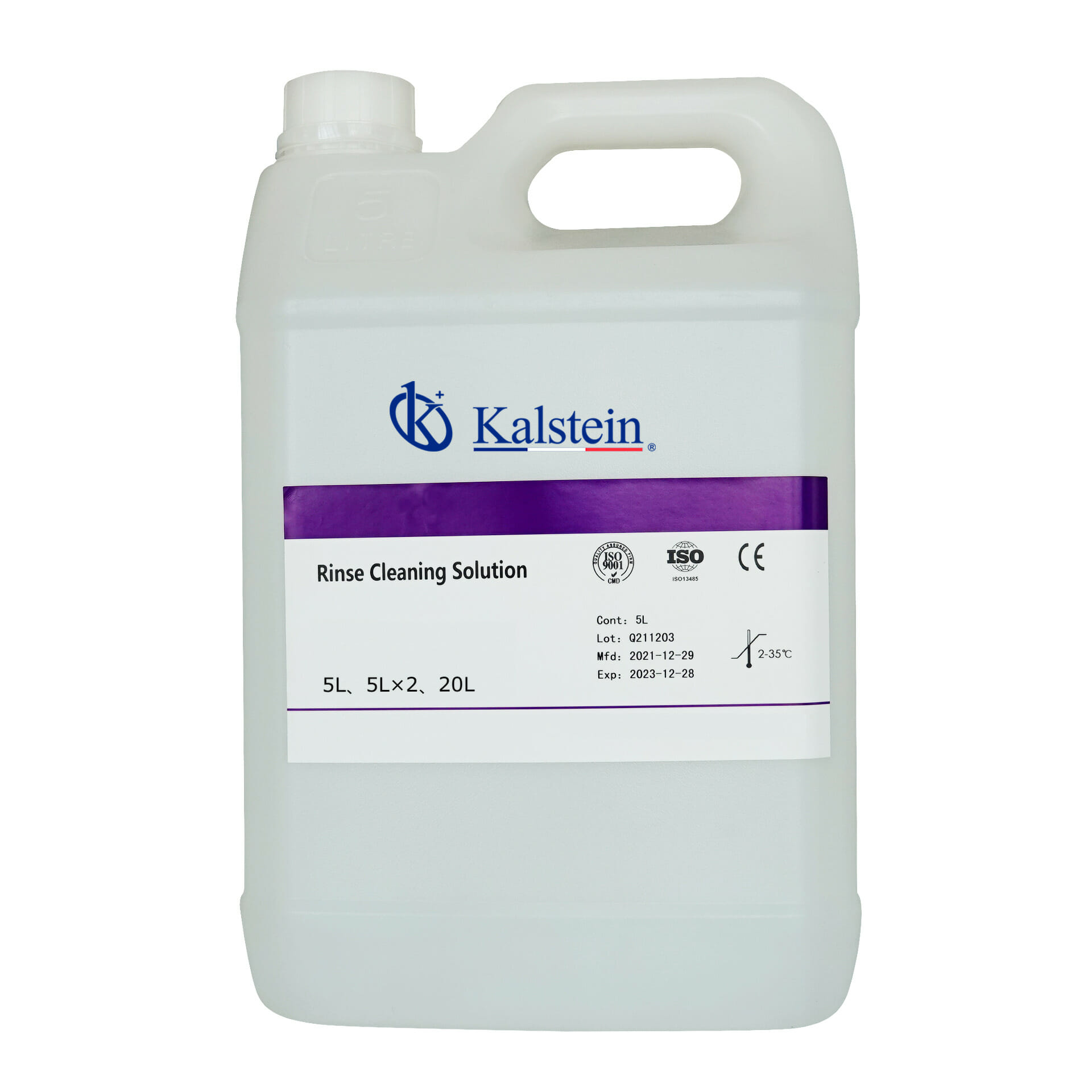
Integrating Hematology Reagents with LIMS: Enhancing Data Flow and Digitalization
As laboratories move towards digitalization, the integration of hematology reagents with Laboratory Information Management Systems (LIMS) has become a crucial area of focus. This article delves into the advantages and technical aspects of integrating various hematology reagents into LIMS, enhancing data flow and improving operational efficiency.
The Importance of LIMS Integration in Hematology
Integrating hematology reagents into a LIMS framework streamlines workflow processes, minimizes human error, and enhances data integrity. The digitalization of data management allows for real-time tracking of reagent usage, lab results, and patient information, which is critical for compliance and operational efficiency.
Key Features of Hematology Reagents
Hematology reagents are essential for performing various analyses in blood diagnostics. These reagents, such as YRA45, YRA46, YRA47, and others, play specific roles in cell lysis, diluting, and cleaning systems used in blood analysis. Each product has unique features that can complement LIMS data systems, facilitating better integration and usability.
YRA45: Essential Diluent
The Hematological Reagents YRA45 acts as a diluent used in blood analysis. Its integration into LIMS ensures accurate tracking of reagent consumption, which helps laboratories maintain optimal stock levels and efficiently manage inventory.
YRA46: Effective Lyse
YRA46, a specialized lysis reagent, is integral in breaking down blood components for analysis. Its compatibility with LIMS allows for automatic logging of performance data, enhancing the reliability of test results.
Technical Considerations for LIMS Integration
When integrating hematology reagents with LIMS, several technical considerations must be addressed, including data formats, compatibility with existing lab systems, and validation processes. Laboratories should ensure that their LIMS can support various connectivity protocols such as HL7, ASTM, and LIS2-A2.
Comparison of Available Models
| Model | Type | Volume | Best for |
|---|---|---|---|
| YRA45 | Diluent | 20L | General blood analysis |
| YRA46 | Lyse | 500 ml | Cell breakdown |
| YRA47 | Clarifier | 5L, 20L | Sample purification |
| YRA48 | EZ Cleaner | 100 ml | System cleaning |
| YRA49 | Probe Cleaner | 50 ml | Probe maintenance |
| YRA50 | Diluent | 20L | General blood analysis |
Common Mistakes and How to Avoid Them
Many laboratories face challenges when integrating hematology reagents with LIMS. Common mistakes include inadequate training for staff on LIMS functionalities, poor data management practices, and neglecting to regularly update software systems. Laboratories should conduct training sessions and maintain an ongoing dialogue with software providers to optimize the integration process.
Frequently Asked Questions
How do I ensure LIMS compatibility with hematology reagents like YRA45?
Ensuring compatibility involves checking if your LIMS supports the required data protocols. For instance, YRA45, as a diluent, should seamlessly integrate with systems that handle reagent tracking and utilization, which can be confirmed through vendor specifications.
What are the main benefits of integrating YRA46 with a LIMS?
Integrating YRA46 (a lysis reagent) with a LIMS enhances accuracy in data logging and reporting. This integration allows automatic tracking of reagent usage, minimizing errors in patient sample processing and ensuring compliance with regulatory standards.
Which LIMS features are essential for managing hematology reagents effectively?
Essential LIMS features include real-time data logging, inventory management capabilities, and compatibility with multiple laboratory protocols. These features enable efficient tracking and utilization of hematology reagents, such as YRA47 for sample purification.
What challenges might I face when integrating hematology reagents with LIMS?
Challenges may include data format incompatibilities, insufficient staff training, and lack of proper validation processes. Effective planning and stakeholder engagement are crucial to mitigate these challenges.
How can LIMS improve the efficiency of hematology analysis?
LIMS improves efficiency by automating data collection, tracking reagent use, and generating reports. This is particularly useful for managing reagents like YRA48 that require systematic cleaning operations within the analysis workflow.
What is the average cost associated with LIMS integration for hematology labs?
The cost of LIMS integration varies based on the system's complexity but can range from $10,000 to $100,000. This investment often pays off through improved efficiency and reduced error rates in reagent management.
Can hematology reagents be integrated with cloud-based LIMS solutions?
Yes, many cloud-based LIMS solutions support integration with hematology reagents, enhancing accessibility and data management capabilities. Ensure that the chosen solution can handle the specific requirements of reagents like YRA49.
How can I evaluate the ROI of my LIMS investment for hematology reagents?
ROI can be measured by analyzing parameters such as reduced processing time, decreased reagent waste, and improved accuracy in results. Tools and benchmarks established during the implementation of reagents like YRA50 can aid in this evaluation.
If you are looking for a fusion of innovation and quality, you have come to the right place. At Kalstein, we offer you the luxury of exploring our exclusive catalog of laboratory equipment. We manufacture every device to the highest standards of excellence. Our intuitive and seamless online purchasing channels are designed for your convenience, securing the most competitive prices. Hesitate no longer — we bring science to life, it is time to become part of our community.