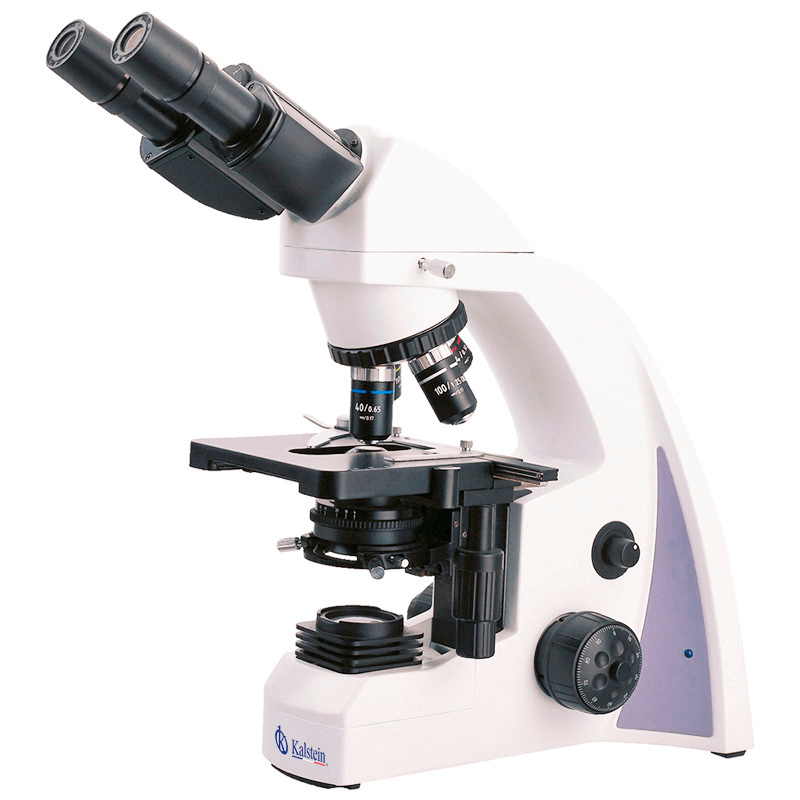
Integrating Laboratory Equipment with LIMS: Enhancing Data Flow in 2026
In today's laboratory environment, the integration of laboratory equipment with Laboratory Information Management Systems (LIMS) is crucial for optimizing workflow and improving data management. This integration facilitates seamless data flow, enhances compliance with regulatory standards, and increases overall operational efficiency. As labs evolve, understanding how to leverage this technology becomes essential for laboratory professionals.
The Importance of LIMS Integration in Laboratories
LIMS plays a pivotal role in laboratory operations. It enables the management of samples, associated data, and test results in a centralized system. When laboratory equipment is integrated with LIMS, it provides real-time data exchange, which is vital for decision-making and quality assurance. This section will delve into the specific benefits of integrating LIMS with various laboratory equipment, including microscopes and pipettes.
Key Integration Features for Enhanced Data Flow
Integrating laboratory equipment with LIMS involves understanding key features such as connectivity protocols, data formats, and user interface compatibility. Connectivity protocols such as ASTM, HL7, and REST are essential for ensuring seamless communication between devices and the LIMS. This section will explore these protocols and their role in enhancing data flow.
Comparative Analysis of Laboratory Models
In this section, we will compare various laboratory models, focusing on their integration capabilities with LIMS. Understanding the specifications and features of each model helps laboratory professionals make informed decisions.
| Model | Connectivity | Protocols Supported | Integration Effort | Best For |
|---|---|---|---|---|
| YR0237-0-1 | USB, Serial | ASTM, HL7 | Moderate | Routine microscopy |
| YR0237-1 | USB | HL7 | Low | Advanced microscopy |
| YR0237-1-1 | Bluetooth | REST | High | Field applications |
| YR03731-1 | USB | ASTM | Low | Pipetting tasks |
| YR03731-2 | Bluetooth | HL7 | Moderate | Precision handling |
| YR03731-3 | Wi-Fi | REST | High | Automated workflows |
Best Practices for Effective LIMS Integration
To successfully integrate laboratory equipment with LIMS, it is imperative to follow best practices. This includes thorough planning, choosing the right technology, and training staff effectively. This section will highlight specific strategies that can prevent common pitfalls during integration.
Common Mistakes and How to Avoid Them
Laboratory professionals often encounter challenges when integrating equipment with LIMS. Common mistakes include inadequate training, overlooking user requirements, and insufficient testing of the integration process. This section will discuss these issues in detail and offer solutions to mitigate them.
Frequently Asked Questions
How can I ensure my laboratory equipment is compliant with LIMS standards?
Ensuring compliance involves selecting models like YR0237-1 that support ASTM protocols. Compliance checks should align with ISO 17025 standards to guarantee effective data handling and traceability in laboratory settings.
What are the benefits of integrating YR0237-0-1 microscope with LIMS?
The integration of the YR0237-0-1 microscope facilitates real-time data transfer and enhances workflow efficiency. This model's compatibility with HL7 protocols makes it an excellent choice for laboratories focusing on sample analysis and reporting.
How do I choose the right LIMS for my laboratory equipment?
Selecting the right LIMS involves assessing compatibility with your laboratory equipment, such as YR03731-3 pipette. It's essential to evaluate the support for connectivity protocols like REST to ensure seamless integration.
What integration challenges might I encounter with laboratory equipment?
Common integration challenges include data discrepancies and connection issues. Models like YR0237-1-1 are designed to minimize these issues by supporting multiple connectivity options, allowing for more reliable data flow.
Can I integrate multiple laboratory devices with a single LIMS?
Yes, a single LIMS can integrate various devices, including the YR03731-1 pipette and YR0237-0-1 microscope. The key is ensuring that all devices support compatible communication protocols for streamlined data management.
What is the cost of integrating YR03731-2 pipettes with LIMS?
The cost of integrating YR03731-2 pipettes can vary based on the selected LIMS and the complexity of the connection. Typically, budget considerations should include initial setup costs and ongoing maintenance fees.
How does LIMS improve data accuracy in laboratory settings?
LIMS improves data accuracy by automating data entry and minimizing human error. By integrating models like YR0237-1 with LIMS, laboratories can ensure that data collected is consistent and reliable, adhering to quality standards.
Conclusion
LIMS integration is no longer a luxury but a necessity for modern laboratories. The ability to streamline data flow and ensure compliance with standards significantly enhances operational efficiency. As we move forward, the implementation of these technologies will play a crucial role in the evolution of laboratory practices.
If you are looking for a fusion of innovation and quality, you have come to the right place. At Kalstein, we offer you the luxury of exploring our exclusive catalog of laboratory equipment. We manufacture every device to the highest standards of excellence. Our intuitive and seamless online purchasing channels are designed for your convenience, securing the most competitive prices. Hesitate no longer — we bring science to life, it is time to become part of our community.