Integrating LIMS with Veterinary Laparoscopy Systems: Enhancing Data Flow in Surgical Environments
The integration of Laboratory Information Management Systems (LIMS) with veterinary laparoscopy systems represents a crucial development for enhancing data management and operational efficiency in veterinary surgical environments. As the veterinary industry continues to embrace digital technology, understanding how to effectively integrate these systems becomes essential for improving surgical outcomes, enhancing data accessibility, and optimizing workflow.
Understanding the Role of LIMS in Veterinary Surgery
A Laboratory Information Management System (LIMS) is designed to streamline laboratory operations and manage data effectively. In the context of veterinary surgery, LIMS can help track patient information, manage inventory, and ensure compliance with regulatory standards. The ability to integrate LIMS with veterinary laparoscopy systems facilitates real-time data sharing, enhances clinical workflows, and improves overall patient care.
Key Benefits of LIMS Integration
Integrating LIMS with veterinary laparoscopy systems provides several key benefits:
- Improved Data Accuracy: Automation reduces manual entry errors, ensuring that all data recorded during surgical procedures is accurate and reliable.
- Enhanced Workflow Efficiency: Real-time updates allow for quicker decision-making and smoother transitions between different stages of surgical processes.
- Better Compliance: With integrated systems, adherence to veterinary regulations and standards can be more easily monitored and documented.
Comparison of Available Models
| Model | Features | Best for |
|---|---|---|
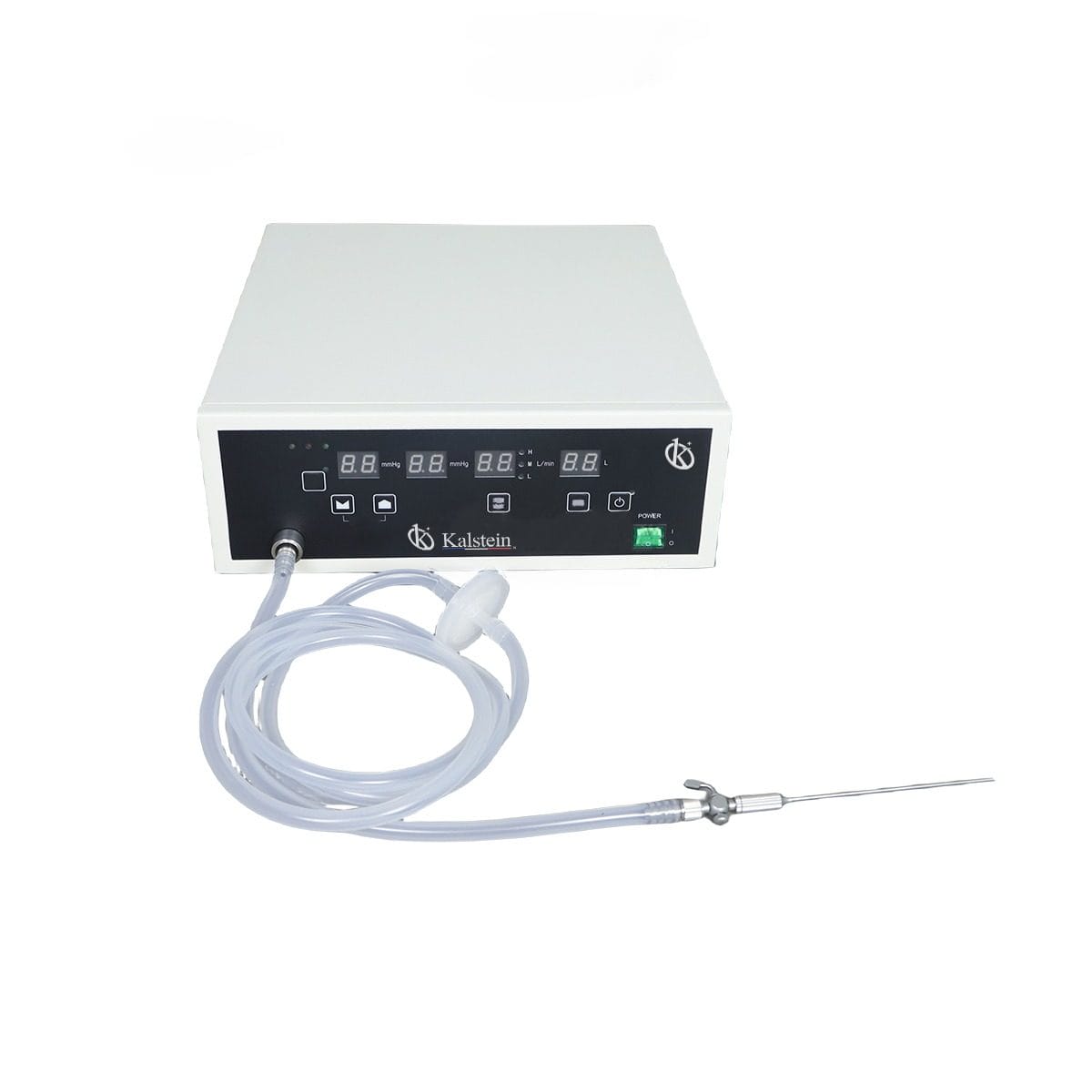
| YR06157 | Automatic CO2 insufflation, 4L/6L/10L flow rates, silent operation, pressure alarm | Small animals like dogs and cats |
| YR06156 | Mobile HD imaging, integrated camera and light source, LED lighting | Versatile surgical environments |
| YR06158 | Touchscreen interface, wide flow range, reliable alarm system | General veterinary laparoscopic surgery |
Data Connectivity Protocols for LIMS Integration
Successful integration of LIMS with veterinary laparoscopy systems requires adherence to specific connectivity protocols. Common standards include HL7 for clinical data, ASTM for laboratory data exchange, and REST for web applications. Understanding these protocols is vital for ensuring seamless data transfer and interoperability between devices.
Challenges in LIMS Integration
Despite the advantages, integrating LIMS with veterinary laparoscopy systems can present challenges, including:
- Data Silos: Existing systems may lack compatibility, resulting in data being trapped in separate silos.
- Training Requirements: Staff may require significant training to operate integrated systems effectively.
- Cost Implications: Initial setup and ongoing maintenance of integrated systems can be costly.
Common Mistakes and How to Avoid Them
When integrating LIMS with veterinary laparoscopy systems, it is essential to avoid certain common pitfalls:
- Neglecting User Input: Ensure that the needs and preferences of end users are considered during integration planning.
- Inadequate Testing: Before full implementation, conduct thorough testing to identify potential issues.
- Ignoring Compliance Needs: Always verify that the integrated systems meet regulatory and compliance requirements.
Frequently Asked Questions
How does LIMS integration improve surgical outcomes in veterinary laparoscopy systems?
LIMS integration enhances surgical outcomes by providing real-time data access, which improves decision-making during procedures. For example, the YR06156 model, with its mobile HD imaging system, allows for accurate visualizations that can be shared instantly through a connected LIMS, promoting better surgical precision.
What are the key features to consider when choosing a veterinary laparoscopic system with LIMS capabilities?
Key features include connectivity options, ease of data entry, and compatibility with existing systems. For instance, the YR06158 model offers a touchscreen interface that simplifies data entry and enhances user experience, making it suitable for integration with LIMS.
Which veterinary laparoscopic systems are best for ensuring data security during LIMS integration?
Models like the YR06157 provide secure data handling features, including pressure alarms that can trigger notifications to the LIMS about system conditions, ensuring ongoing data integrity and security throughout surgical procedures.
How can I optimize the workflow of my veterinary surgical unit through LIMS integration?
Optimizing workflow involves ensuring that all devices, such as the YR06156, are compatible with your LIMS, enabling seamless data flow and reducing time spent on manual data management, ultimately enhancing surgical efficiency.
What are the costs associated with LIMS integration in veterinary laparoscopy systems?
Costs can vary widely based on the complexity of integration and existing infrastructure. For example, the YR06157 model is priced at $1900 and may constitute a portion of the overall investment in integration, which includes software and training costs.
What role does training play in the successful integration of LIMS with surgical equipment?
Training is crucial for ensuring that staff can effectively use integrated systems. Adequate training can help maximize the benefits of systems like the YR06158, as staff will be better prepared to navigate the integrated workflow.
How long does it typically take to integrate LIMS with a veterinary laparoscopic system?
The integration timeline can range from a few weeks to several months depending on several factors, including the complexity of the system and the training needs of the staff. It's essential to account for these variables when planning for integration.
Conclusion
The integration of LIMS with veterinary laparoscopy systems represents a significant advancement in veterinary surgical practices. By understanding the benefits, challenges, and best practices for integration, veterinary professionals can enhance their operational efficiency, improve patient care, and ensure compliance with regulatory standards.
If you are looking for a fusion of innovation and quality, you have come to the right place. At Kalstein, we offer you the luxury of exploring our exclusive catalog of laboratory equipment. We manufacture every device to the highest standards of excellence. Our intuitive and seamless online purchasing channels are designed for your convenience, securing the most competitive prices. Hesitate no longer — we bring science to life, it is time to become part of our community.