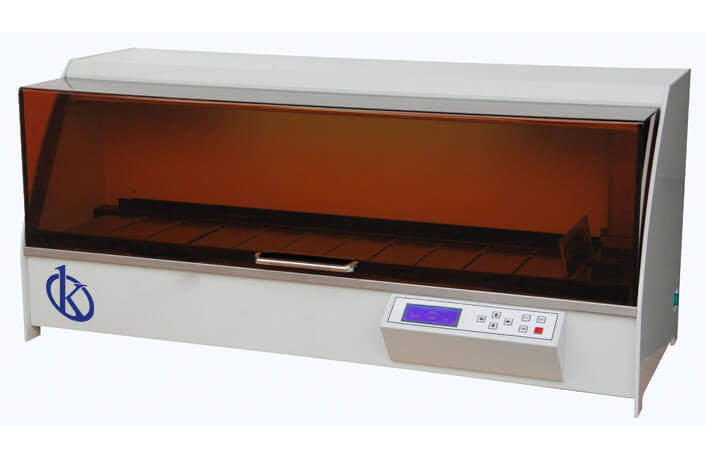
Integrating Tissue Processors with LIMS: Enhancing Data Workflow in Laboratories
In the evolving landscape of laboratory technology, the integration of tissue processors with Laboratory Information Management Systems (LIMS) has emerged as a pivotal development. This article delves into the benefits, features, and considerations for laboratory professionals seeking to optimize their data workflows through this integration.
Understanding Tissue Processors in the Context of LIMS Integration
Tissue processors are essential for preparing biopsy specimens for microscopic examination, playing a crucial role in pathological anatomy. With advancements in data management technologies, integrating these processors with LIMS provides significant advantages in efficiency and data accuracy. Each model offers unique features that facilitate seamless connections to laboratory information systems, enhancing the overall laboratory workflow.
Benefits of LIMS Integration with Tissue Processors
Integrating tissue processors with LIMS offers several benefits, including improved data accuracy, real-time monitoring, and enhanced compliance with regulatory standards. By automating data entry and tracking processes, laboratories can minimize human error, streamline operations, and expedite specimen processing timelines. This integration fosters a more organized laboratory environment and improves overall productivity.
Key Features of Tissue Processors Supporting LIMS Integration
When evaluating tissue processors for LIMS integration, look for models equipped with connectivity features such as bi-directional data exchange, support for HL7 and ASTM protocols, and user-friendly interfaces. These capabilities ensure that data flows seamlessly between the tissue processor and the LIMS, allowing laboratory staff to efficiently manage specimen data and track processing stages in real-time.
Model Comparisons and Their LIMS Capabilities
Understanding the different models available in the tissue processor market helps laboratories choose the right equipment based on their specific needs for LIMS integration. Below is a comparison of key models based on their integration capabilities and other relevant features:
| Model | Connectivity | Protocols Supported | Integration Effort | Best For |
|---|---|---|---|---|
| YR431-1 | Yes | HL7, ASTM | Moderate | Medium to Large Labs |
| YR436-2 | No | N/A | Low | Small Labs |
| YR427 | Yes | HL7 | Low | Cost-Effective Operations |
| YR428 | Yes | ASTM | Moderate | Small to Medium Labs |
| YR429 | Yes | HL7, ASTM | High | High Volume Labs |
Common Mistakes and How to Avoid Them
When integrating tissue processors with LIMS, avoid common pitfalls such as underestimating the importance of protocol compatibility, neglecting user training, and failing to plan for data migration. Thoroughly assess the specifications of each model, ensuring they match your laboratory’s operational needs. Additionally, invest in training for your team to maximize the benefits of the new system.
Ensuring Compliance with Regulatory Standards
Integrating tissue processors with LIMS not only enhances data management but also assists laboratories in maintaining compliance with various regulatory standards, such as ISO 17025. Ensure that the chosen models provide features that support quality control and traceability, which are crucial for meeting regulatory requirements. Regular audits and documentation can further bolster compliance efforts.
Frequently Asked Questions
How can LIMS integration improve my tissue processing workflow efficiency?
Integrating LIMS with your tissue processor, such as the YR431-1, can significantly enhance workflow efficiency by automating data entry and allowing real-time tracking of specimen processing. This minimizes errors and maximizes productivity in your laboratory setting.
Which tissue processor model is best for small laboratories integrating with LIMS?
The YR427 model is ideal for small laboratories looking to integrate with LIMS. It offers essential connectivity features at a cost-effective price, supporting HL7 protocol, which facilitates seamless data exchange and management.
What are the essential features of a LIMS-integrated tissue processor?
Key features include bi-directional data exchange, compatibility with protocols like HL7 and ASTM, and user-friendly interfaces. For example, the YR429 model provides robust features that support high-volume specimen processing while ensuring effective integration with LIMS.
How does LIMS integration enhance compliance in pathology labs?
LIMS integration in tissue processors, such as the YR431-1, streamlines documentation and traceability processes, ensuring compliance with standards like ISO 17025. This integration helps maintain quality control and accurate record-keeping necessary for regulatory compliance.
Can I expect cost savings by integrating a tissue processor with LIMS?
Yes, integrating a tissue processor like the YR428 with LIMS can lead to cost savings by reducing labor costs associated with manual data entry and minimizing errors. These efficiencies contribute to lower operational costs and improved laboratory productivity.
What challenges might I face when integrating a tissue processor with LIMS?
Common challenges include compatibility issues between equipment and software, the need for user training, and potential data migration complexities. It's crucial to choose models like the YR429 that provide robust support for integration and user training resources.
How can I ensure my tissue processor is LIMS compatible?
To ensure LIMS compatibility, review the specifications of potential tissue processors, such as those from the YR series, checking for connectivity options and supported protocols. Consulting with manufacturers can also confirm compatibility before purchase.
What is the impact of LIMS integration on data accuracy in tissue processing?
LIMS integration greatly enhances data accuracy by automating data entry and minimizing human error. Models like the YR431-1 are designed to facilitate real-time data tracking, significantly reducing discrepancies and improving overall data integrity.
If you are looking for a fusion of innovation and quality, you have come to the right place. At Kalstein, we offer you the luxury of exploring our exclusive catalog of laboratory equipment. We manufacture every device to the highest standards of excellence. Our intuitive and seamless online purchasing channels are designed for your convenience, securing the most competitive prices. Hesitate no longer — we bring science to life, it is time to become part of our community.