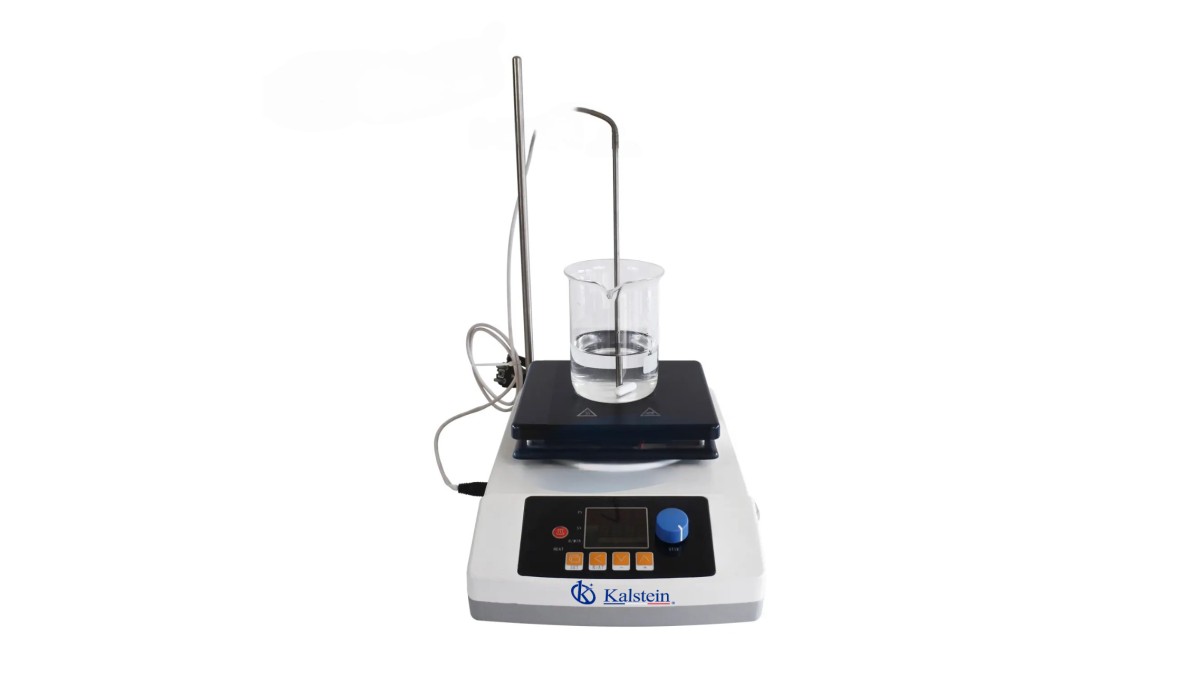
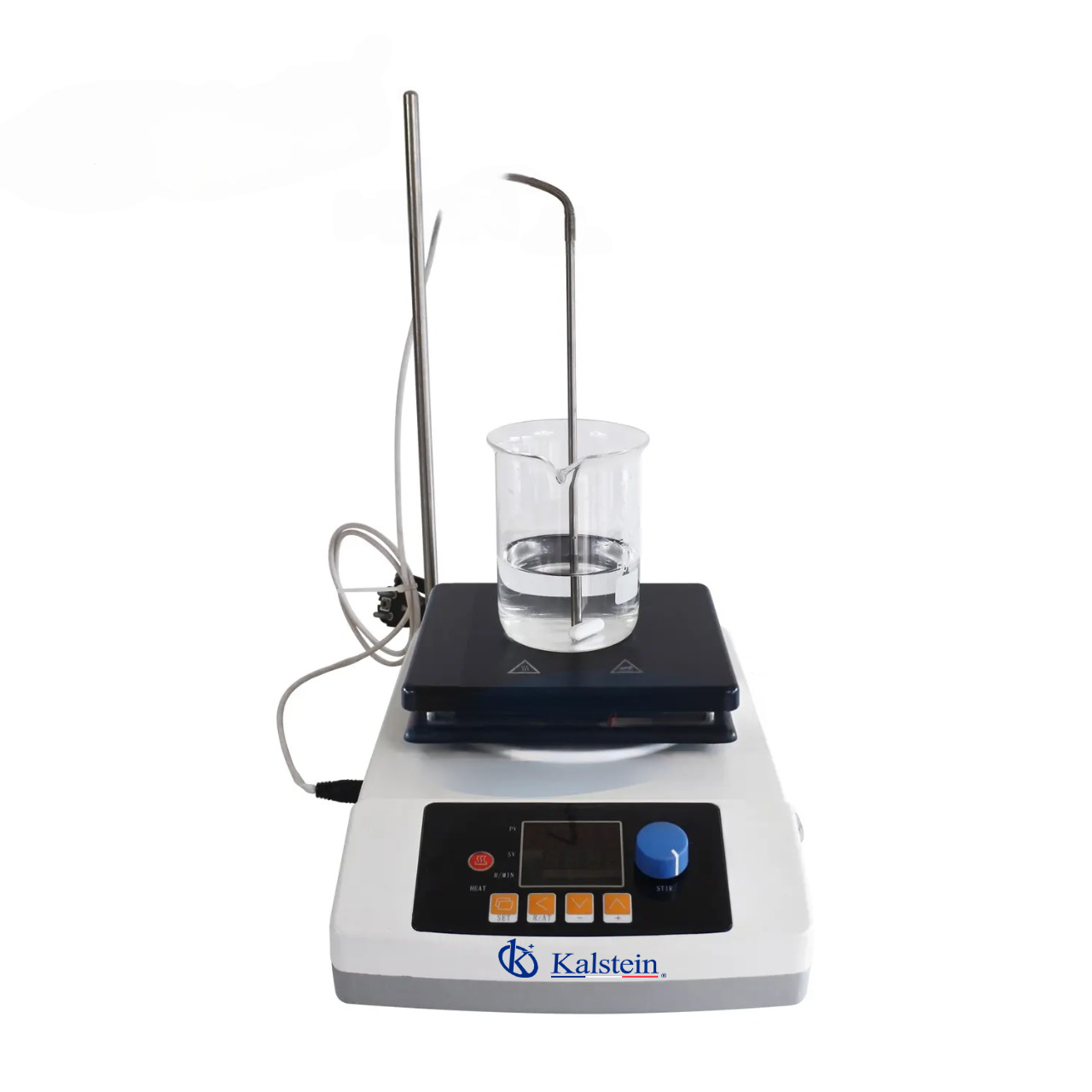
Intelligent Digital Display Ceramic Top Hotplate Stirrer: Applications and Best Practices 2026
In modern laboratories, the Intelligent Digital Display Ceramic Top Hotplate Stirrer has emerged as a crucial tool for various applications. With advancements in technology, these devices have become more versatile, efficient, and user-friendly. This article focuses on the applications, techniques, and best practices of these laboratory stirrers in 2026.
What is it used for in 2026
The Intelligent Digital Display Ceramic Top Hotplate Stirrer is primarily utilized for mixing, heating, and maintaining the temperature of solutions in a variety of laboratory settings. Its digital control and ceramic top enhance its usability, making it suitable for chemical reactions in fields such as chemistry, biology, and material science.
In 2026, laboratory professionals leverage these stirrers for:
- Homogenizing solutions and suspensions
- Heating chemical reactions to precise temperatures
- Performing assays and experiments that require consistent stirring
- Reducing contamination in sensitive experiments due to the absence of moving parts
History and evolution of the technology
The evolution of hotplate stirrers dates back several decades, with early models manually operated and lacking precision. Over time, advancements in electronics have allowed for the development of digital displays and PID temperature control, which have drastically improved accuracy and usability.
In the early 2000s, the introduction of ceramic tops marked a significant improvement by enhancing chemical resistance and facilitating easier cleaning. Today's models, like those in the YR series, incorporate features such as improved safety controls, better temperature accuracy, and enhanced user interfaces.
How to use it step by step
- Setup: Place the hotplate stirrer on a stable, flat surface away from any flammable materials.
- Connect: Plug in the device and ensure it is turned off before proceeding.
- Load Materials: Place your reaction vessel securely on the ceramic top and add the necessary reagents.
- Select Parameters: Use the digital interface to set the desired temperature and stirring speed.
- Start Operation: Turn on the hotplate and monitor the display for temperature accuracy.
- Observe: Keep an eye on the reaction and make adjustments to speed or temperature as needed.
- End Process: Once finished, allow the device to cool down before cleaning.
Best techniques and protocols
To maximize the efficiency and safety of using Intelligent Digital Display Ceramic Top Hotplate Stirrers, follow these best practices:
- Always pre-calibrate the device before use to ensure accurate readings.
- Use appropriate thermometers and temperature sensors to monitor the actual temperature of the mixture.
- Choose the correct stirring speed based on the viscosity of the solution to avoid splashing.
- Conduct trials with small volumes to optimize settings before scaling up.
- Ensure proper ventilation in the working area to avoid exposure to fumes.
Practical applications by laboratory type
Different laboratory environments utilize the Intelligent Digital Display Ceramic Top Hotplate Stirrer for various applications:
- Chemical Laboratories: Used for synthesizing compounds and conducting reactions under controlled temperatures.
- Biological Laboratories: Ideal for preparing cultures, media, and performing assays requiring consistent stirring.
- Educational Institutions: Employed for teaching fundamental laboratory techniques in chemistry and biology classes.
Regulations, standards and certifications
In 2026, laboratories are expected to adhere to various regulations and standards concerning laboratory equipment. The Intelligent Digital Display Ceramic Top Hotplate Stirrers must comply with:
- ISO 9001 for quality management systems
- CE marking for health and safety standards in the European market
- ASTM standards relevant to laboratory practices
Comparison with alternative technologies
While hotplate stirrers are essential for many laboratory processes, alternative technologies also exist:
- Magnetic Stirrer: Offers similar mixing capabilities but lacks heating functionality.
- Mechanical Stirrer: Provides strong mixing but may introduce contamination and requires more maintenance.
- Ultrasonic Stirrer: Uses sound waves for mixing, suitable for certain applications but typically more expensive.
Comparison of available models
| Model | Best for | Key specs | Recommended use case |
|---|---|---|---|
| YR02937 | Small-scale reactions | 140x140 mm, PID control, 100-2000 RPM | Ideal for small-volume experiments due to its compact size. |
| YR02938 | Versatile laboratory tasks | 180x180 mm, PID control, 100-2000 RPM | Suitable for both heating and stirring various laboratory solutions. |
| YR02939 | Higher volume mixing | 230x230 mm, 750W power, PID control | Best for larger batches or more demanding mixing requirements. |
| YR02940 | Precision heating | 280x280 mm, PID control, 100-2000 RPM | Recommended for experiments needing precise temperature control. |
| YR02941 | Compact use | 140x140 mm, PID control, 100-2000 RPM | Great for limited space environments while maintaining performance. |
| YR02942 | Standard laboratory use | 180x180 mm, PID control, 100-1800 RPM | General-purpose use across various laboratory applications. |
Common mistakes and how to avoid them
Users often make certain mistakes while using hotplate stirrers which can affect performance:
- Ignoring calibration: Always calibrate the device to ensure accuracy before starting experiments.
- Overloading the plate: Avoid placing vessels that exceed the rated capacity, which can cause heating inconsistencies.
- Improper cleaning: Regularly clean the ceramic top to prevent contamination and ensure longevity.
Maintenance, calibration and good practices 2026
To prolong the lifespan and performance of your hotplate stirrer, consider the following maintenance tips:
- Regularly check for wear and tear on the heating elements and stirring mechanism.
- Perform routine calibrations based on the manufacturer's recommendations.
- Keep the ceramic top clean and free of chemical residues to avoid reactions with future experiments.
Cost-benefit analysis 2026
The investment in Intelligent Digital Display Ceramic Top Hotplate Stirrers can be justified given their efficiency and versatility in laboratory applications. With a range of models available, users can choose one that fits their specific needs, balancing cost with functionality.
For instance, models like the YR02937 provide excellent cost-efficiency for small labs, while the YR02939 offers great benefits for larger volumes at a slightly higher price. The long-term benefits of precision, reduced contamination risk, and ease of use further enhance the overall value of these devices.
Frequently asked questions
What should I consider when choosing a hotplate stirrer?
Consider the volume of your typical experiments, the required temperature range, and whether you need precise control over stirring speed. Look for models with features that align with your laboratory's specific needs.
How can I ensure the accuracy of my hotplate stirrer?
Regular calibration against known standards is essential for maintaining accuracy. Additionally, using appropriate sensors to monitor actual temperature can help ensure reliable results.
What materials are suitable for use with ceramic top stirrers?
Most ceramic tops are resistant to chemicals commonly used in laboratories, but always verify compatibility with specific solvents or reagents to avoid damage.
Can I use a hotplate stirrer in a fume hood?
Yes, using a hotplate stirrer in a fume hood can enhance safety by providing proper ventilation, especially when heating volatile substances.
What is the best way to clean the ceramic top?
Use a gentle cleaning solution and a soft cloth to wipe down the ceramic top after each use. Avoid abrasive materials that could scratch the surface.
Is it safe to leave the stirrer unattended while in use?
While many models have safety features, it is generally advisable to monitor the device while in use, especially when heating flammable or reactive materials.
How can I request a quote for a hotplate stirrer?
You can directly request a quote through our website or contact our sales department for personalized assistance regarding your needs.
If you are looking for a fusion of innovation and quality, you have come to the right place. At Kalstein, we offer you the luxury of exploring our exclusive catalog of laboratory equipment. We manufacture every device to the highest standards of excellence. Our intuitive and seamless online purchasing channels are designed for your convenience, securing the most competitive prices. Hesitate no longer — we bring science to life, it is time to become part of our community.