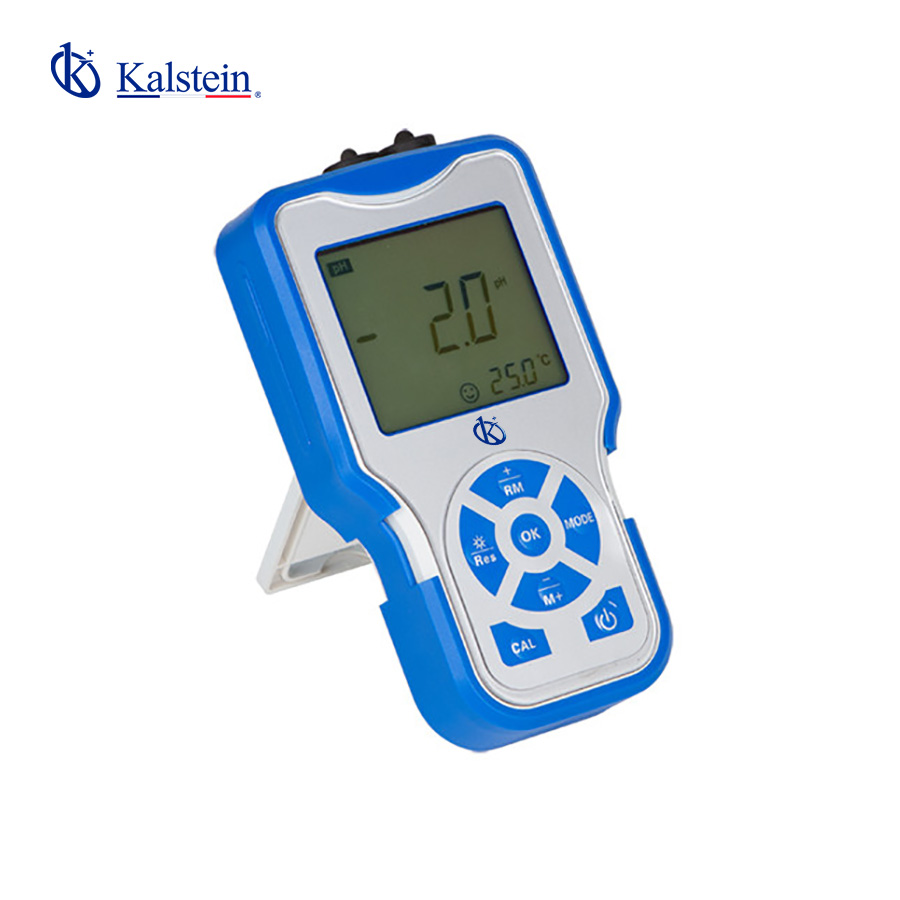
How to Interpret Results and Read Measurements with the YR01817-2 Ammonium Ion Meter
The YR01817-2 Portable Ammonium Ion Meter is a highly specialized instrument designed for accurate measurement and interpretation of ammonium ion concentrations in various environments. Whether utilized in clinical labs, industrial settings, or educational institutions, understanding how to interpret the readings from this meter can significantly enhance the quality of analyses and decisions made based on the data obtained.
Understanding the YR01817-2 Ammonium Ion Meter
The YR01817-2 is equipped with advanced features that contribute to its precision and ease of use. Its key specifications include:
| Specification | Details |
|---|---|
| Model | YR01817-2 |
| Measurement Range | 5 × 10⁻⁷ to 1 M, 0.02 to 4000 ppm |
| Resolution | 0.001, 0.01, 0.1, 1 |
| Accuracy | ± 0.5% FS |
| Calibration Points | 2 to 5 Points |
| Measurement Units | ppm, mg/L, mol/L |
| Temperature Compensation | Automatic |
| Data Memory | Stores up to 500 data sets |
Interpreting Measurement Results
Interpreting the results from the YR01817-2 involves understanding the units of measurement and the expected ranges for ammonium concentrations. The meter provides results in various units, including parts per million (ppm) and milligrams per liter (mg/L).
It's important to familiarize yourself with the expected normal ranges for ammonium levels in your specific application. For example, in environmental monitoring, different water bodies will have varying standards. Understanding these ranges helps in discerning whether the measured values fall within acceptable limits or indicate contamination or concern.
Common Misinterpretations
One of the common issues faced when using the YR01817-2 is misinterpreting the readings due to unfamiliarity with the device. Users may confuse the units or overlook error messages displayed on the LCD screen. Additionally, fluctuations in temperature can also influence readings. The YR01817-2’s automatic temperature compensation feature helps mitigate this issue, but users must ensure that the meter is properly calibrated before use.
Using the YR01817-2 in Different Sectors
The YR01817-2 is versatile and can be adapted for several applications:
- Clinical Laboratories: Used for analyzing urine and serum samples to assess kidney function.
- Environmental Monitoring: Essential for assessing water quality in rivers, lakes, and industrial effluents.
- Educational Institutions: A tool for teaching students about ion concentration and laboratory techniques.
- Food Industry: Ensures compliance with safety standards by measuring ammonium in food products.
Best Practices for Accurate Measurements
To achieve accurate measurements with the YR01817-2, adhere to the following best practices:
- Ensure the meter is calibrated correctly before use.
- Always use fresh calibration solutions that correspond to the concentration ranges you expect to measure.
- Allow the meter to adjust to the temperature of the sample being measured.
- Handle the electrode with care to prevent damage.
Frequently Asked Questions
What is the measurement range of the YR01817-2?
The YR01817-2 has a measurement range of 5 × 10⁻⁷ to 1 M, or 0.02 to 4000 ppm, allowing it to accurately measure low to high concentrations of ammonium ions.
How do I calibrate the YR01817-2 meter?
Calibration of the YR01817-2 involves selecting the appropriate calibration points (2 to 5) and using standard solutions of known concentrations. Follow the manufacturer's instructions for calibration to ensure accuracy.
What units can the YR01817-2 meter display?
The YR01817-2 provides measurement results in several units, including parts per million (ppm), milligrams per liter (mg/L), and moles per liter (mol/L) to suit different applications.
How does temperature affect the readings of the YR01817-2?
Temperature can significantly impact measurement accuracy. The YR01817-2 features automatic temperature compensation, which adjusts the readings based on the sample's temperature to ensure accurate results.
What should I do if the YR01817-2 displays an error code?
In the event of an error code, refer to the user manual for troubleshooting steps. Common issues include calibration errors or electrode faults. Following the suggested fixes can help restore the meter's functionality.
Can the YR01817-2 store measurement data?
Yes, the YR01817-2 can store up to 500 data sets, which can then be accessed for analysis or record-keeping purposes.
How can I request a quote for the YR01817-2?
You can easily request a quote for the YR01817-2 by visiting our inquiry section. Provide your details, and our team will assist you with your request promptly.
If you are looking for a fusion of innovation and quality, you have come to the right place. At Kalstein, we offer you the luxury of exploring our exclusive catalog of laboratory equipment. We manufacture every device to the highest standards of excellence. Our intuitive and seamless online purchasing channels are designed for your convenience, securing the most competitive prices. Hesitate no longer — we bring science to life, it is time to become part of our community.