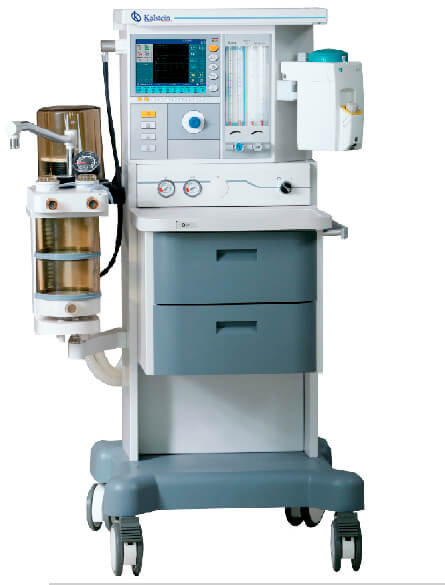
How to Interpret Results and Read Measurements with the YR02089 Ceiling Pendant
In the critical environment of intensive care units (ICU) and neonatal intensive care units (NICU), accurate interpretation of results and measurements is vital for patient care. The YR02089 Ceiling Pendant is engineered to provide flexible, high-quality monitoring for adult and pediatric care. This article explores how to effectively interpret results and measurements obtained from the YR02089, ensuring that healthcare professionals can make informed decisions based on reliable data.
Understanding the YR02089 Ceiling Pendant
The YR02089 Ceiling Pendant is designed to enhance the functionality of ICUs and NICUs. With a modular design that supports a variety of medical monitoring devices, the YR02089 integrates seamlessly into patient care environments, allowing medical professionals to focus on patient outcomes. The pendant conceals cables and tubing, maintaining a clean and organized workspace.
Technical Specifications of the YR02089
| Specification | Details |
|---|---|
| Model | YR02089 |
| Weight | 86 kg |
| Dimensions | 196 x 59 x 58 cm |
| Gas Sockets (German Standard) | 2 O2, 1 Air, 1 Vacuum |
| Multi-purpose Power Sockets | 6 |
| Communication Socket | 1 RJ45 |
| Grounding Terminal | 1 |
Interpreting Measurement Results from the YR02089
The YR02089 provides data through connected measurement devices, requiring users to understand how to interpret these results accurately. Units of measurement, normal ranges, and error margins must be comprehended to avoid misinterpretations.
For instance, vital signs such as heart rate or oxygen saturation are typically presented in specific units (beats per minute for heart rate, percentage for oxygen saturation). Familiarizing oneself with these units is essential for effective patient monitoring.
Common Misinterpretations and How to Avoid Them
Common misinterpretations can occur due to a lack of familiarity with the measurement devices connected to the YR02089. Healthcare professionals should be trained in reading displays accurately. For example, understanding the significance of fluctuating values versus steady readings can greatly influence clinical decisions.
Another example involves confusion between normal ranges and critical values. Knowing that a heart rate of 120 bpm could be normal for an infant but abnormal for an adult is crucial for accurate assessments.
Examples of Accurate Measurement Reading
Let’s consider a scenario where a patient’s heart rate is monitored using the YR02089. If the displayed heart rate fluctuates between 60-100 bpm, it falls within the normal range for adults. However, if the rate drops below 60 bpm or spikes above 100 bpm, immediate clinical intervention may be required.
Thus, establishing a clear understanding of ranges and the context surrounding the measurements can facilitate better clinical decisions.
Common Errors and Troubleshooting the YR02089
Errors may arise from equipment malfunction or improper setup. For example, if a measurement appears inconsistent, check the calibration of the connected devices. It’s essential to regularly verify that all devices are functioning correctly and are connected properly to the YR02089.
Best Practices for Reading Measurements
- Regularly calibrate monitoring devices connected to the YR02089 to ensure accuracy.
- Be familiar with the normal ranges for all vital signs relevant to your patients.
- Establish protocols for what to do when readings fall outside of normal ranges.
- Document changes in measurements to track patient progress over time.
- Communicate with team members regarding the significance of measurements and any concerns.
Frequently Asked Questions
What types of measurements can be taken using the YR02089?
The YR02089 supports a variety of measurements, including vital signs such as heart rate, blood pressure, and oxygen saturation, through connected monitoring devices.
How do I ensure accuracy when interpreting results from the YR02089?
Accuracy can be ensured by regularly calibrating the connected devices, understanding the normal ranges for measurements, and consistently documenting patient data.
What should I do if the measurements from the YR02089 seem inconsistent?
If measurements appear inconsistent, check for proper device connections, ensure that all monitoring devices are calibrated, and consider re-evaluating the patient if necessary.
Can the YR02089 be used in both adult and pediatric care?
Yes, the YR02089 is designed for use in both adult and pediatric care, with configuration options that tailor its use to various patient needs.
How do I interpret abnormal readings on the YR02089?
Establish protocols for abnormal readings based on the specific measurement. Consult with clinical guidelines for each measurement to determine the appropriate response.
What maintenance is required for the YR02089 to ensure accurate measurements?
Regular maintenance includes cleaning, calibrating measurement devices, and checking all connections to prevent errors in readings.
If you are looking for a fusion of innovation and quality, you have come to the right place. At Kalstein, we offer you the luxury of exploring our exclusive catalog of laboratory equipment. We manufacture every device to the highest standards of excellence. Our intuitive and seamless online purchasing channels are designed for your convenience, securing the most competitive prices. Hesitate no longer — we bring science to life, it is time to become part of our community.