How to Interpret Results and Read Measurements with the YR02174-1 Bedside Monitor
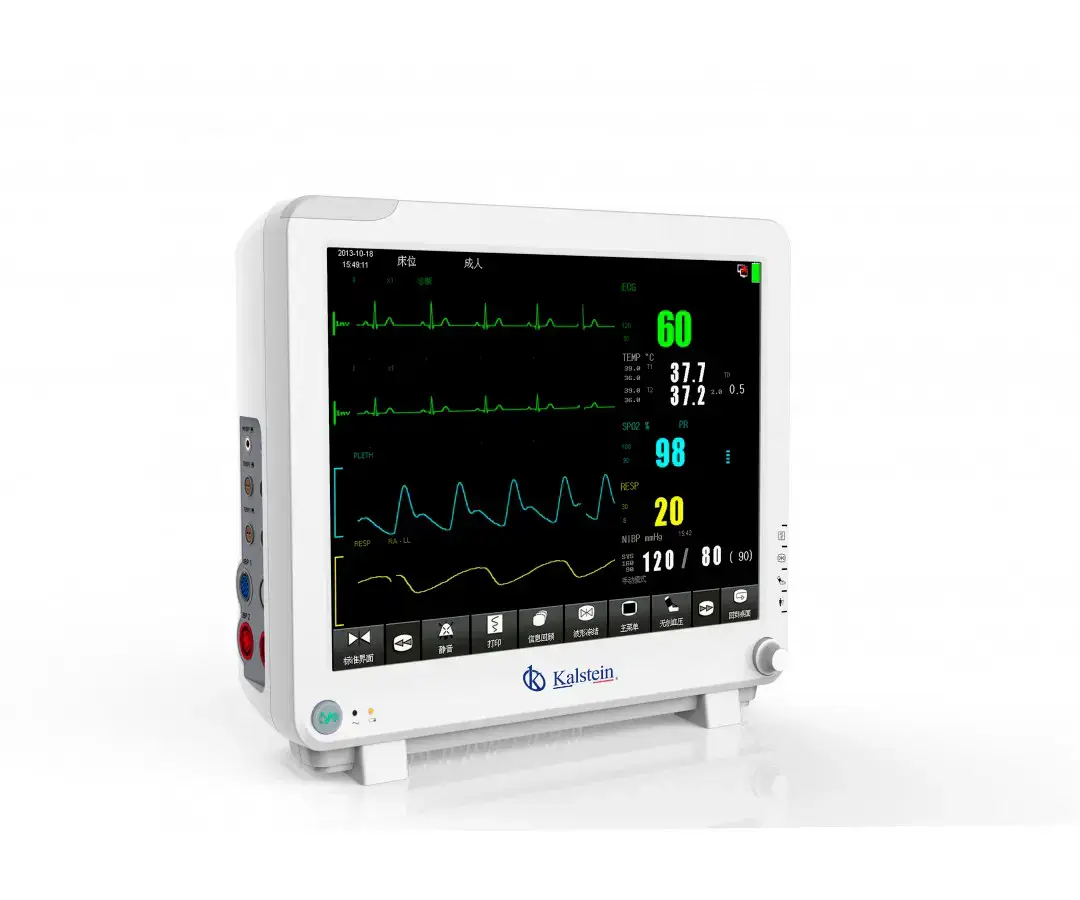
The YR02174-1 Bedside Monitor is a highly advanced patient monitoring device used in various clinical settings. This guide focuses on helping operators understand how to interpret results accurately and read measurements effectively to ensure optimal patient care.
Understanding the Features of YR02174-1
The YR02174-1 Bedside Monitor is equipped with multiple functionalities that cater to a wide range of patient monitoring needs. Its features include ECG, heart rate, respiratory rate, non-invasive blood pressure (NIBP), SPO2, and temperature measurements. Understanding these features is crucial for interpreting the data they provide.
Technical Data Overview of YR02174-1
| Model | Brand | Category | Price (USD) | Weight (Kg) |
|---|---|---|---|---|
| YR02174-1 | Kalstein | Patient Monitor | 4023.70 | 8.4 |
Interpreting ECG Measurements
The ECG function of the YR02174-1 monitors the electrical activity of the heart. It can operate in different lead modes, including 5 leads (RA, LA, LL, RL, V) and 3 leads (RA, LA, LL), allowing for versatile monitoring options. Understanding the readings involves recognizing normal heart rhythms and identifying potential anomalies.
For instance, a normal heart rate ranges from 60 to 100 beats per minute for adults. Abnormal rates may indicate arrhythmias or other cardiac issues. The ECG display shows the amplitude and frequency of the heart's electrical signals, which can be analyzed for further diagnostic insights.
Reading Heart Rate and Its Significance
The heart rate measurement on the YR02174-1 is essential for assessing patient health. This monitor displays the heart rate range of 15 to 300 bpm for adults and 15 to 350 bpm for neonates and pediatrics. Accuracy is within ±1 bpm, ensuring reliable data for healthcare professionals.
When interpreting heart rate data, it is important to note factors that can affect readings, such as patient activity, medications, or underlying health conditions. High or low readings should be evaluated in the context of the patient’s overall clinical picture.
Assessing Respiratory Rate Measurements
The YR02174-1 uses impedance between R-F (RA-LL) to measure respiratory rates. The device can monitor adult respiratory rates from 2 to 120 breaths per minute, while neonate and pediatric readings range from 0 to 150 breaths per minute. Accuracy is within ±2 breaths per minute.
Healthcare providers should interpret respiratory rates in conjunction with other vital signs, as they may indicate respiratory distress or other pulmonary conditions. A consistent monitoring trend can help in making timely clinical decisions.
Non-Invasive Blood Pressure (NIBP) Interpretations
The NIBP feature of the YR02174-1 utilizes the oscillometric method to measure blood pressure. It provides systolic, diastolic, and mean arterial pressure readings. Understanding these values is critical for diagnosing hypertension or hypotension in patients.
Normal blood pressure is typically considered to be around 120/80 mmHg. Readings outside this range should be carefully evaluated, particularly in patients with existing cardiovascular conditions. The device's accuracy is noted with a maximum mean error of 5 mmHg, which is essential when interpreting results.
Interpreting SPO2 Measurements
The SPO2 measurement on the YR02174-1 provides critical information on a patient’s oxygen saturation levels. This parameter is displayed in a range of 0 to 100%, with an accuracy of ±2% for levels between 70% and 100%.
Healthcare professionals should be cognizant of the fact that low SPO2 levels may indicate hypoxemia and require immediate intervention. Understanding how external factors, such as patient movement or poor circulation, can impact readings is key for accurate interpretation.
Temperature Measurement Insights
The YR02174-1 features a temperature measurement capability that is crucial for monitoring patient body temperature. Its measurement range is from 0 to 50ºC with a resolution of 0.1ºC and an accuracy of 0.1ºC.
Fever, hypothermia, or other temperature-related conditions can significantly affect patient health, making accurate temperature readings essential. Continuous monitoring and understanding the implications of temperature variations are vital for patient assessment.
Frequently Asked Questions
What is the importance of reading ECG measurements on the YR02174-1?
Reading ECG measurements is critical for monitoring heart function and identifying potential cardiac irregularities. It helps clinicians make informed decisions regarding patient care.
How do I interpret high heart rate readings on the YR02174-1?
High heart rate readings may suggest conditions such as tachycardia. It's essential to evaluate these readings alongside other clinical parameters to determine the underlying cause.
What factors can influence SPO2 readings on the YR02174-1?
Several factors, including motion artifacts, poor peripheral circulation, and nail polish, can affect SPO2 readings. Clinicians should account for these when interpreting results.
How can I ensure the accurate measurement of blood pressure using the YR02174-1?
To ensure accuracy, use the appropriate cuff size and position the patient correctly before taking a blood pressure measurement with the YR02174-1.
What should I consider when interpreting temperature readings?
Temperature readings should be evaluated in the context of other vital signs and clinical symptoms to provide a complete picture of the patient's health status.
If you are looking for a fusion of innovation and quality, you have come to the right place. At Kalstein, we offer you the luxury of exploring our exclusive catalog of laboratory equipment. We manufacture every device to the highest standards of excellence. Our intuitive and seamless online purchasing channels are designed for your convenience, securing the most competitive prices. Hesitate no longer — we bring science to life, it is time to become part of our community.