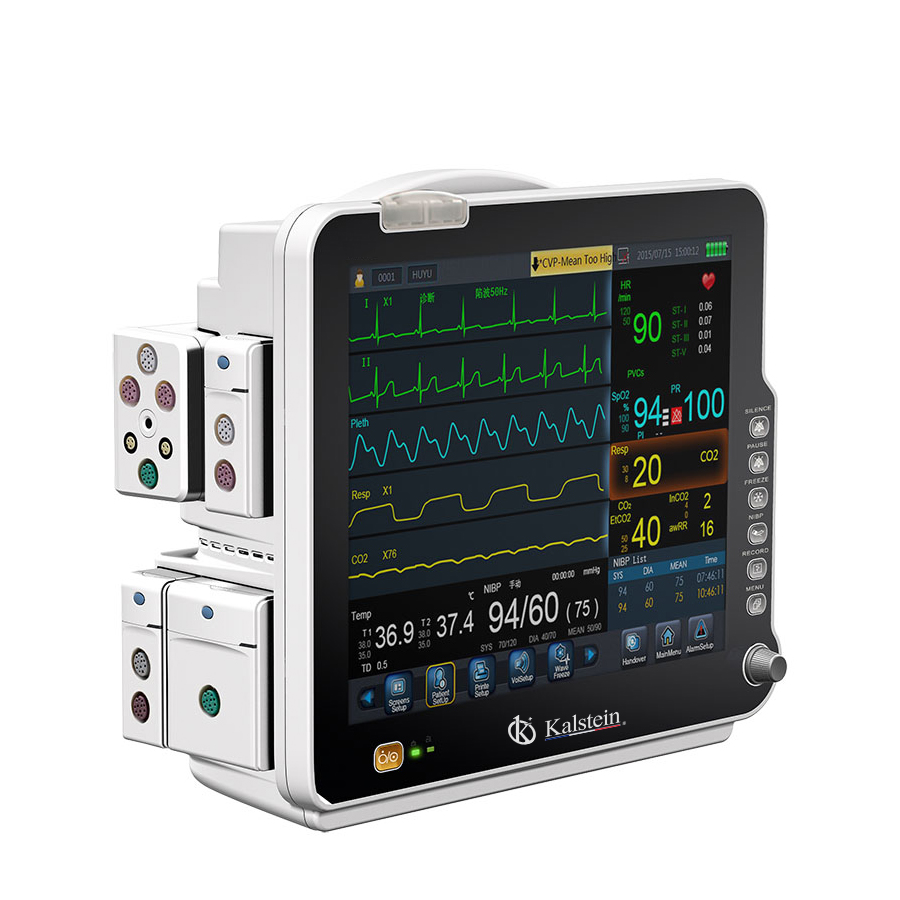
How to interpret results and read measurements with the YR02177 Patient Monitor
The YR02177 Patient Monitor is a sophisticated tool designed for clinical environments that require accurate real-time monitoring of vital signs. This guide will delve into the interpretation of results and how to effectively read measurements obtained from this advanced device.
Understanding the YR02177 Patient Monitor
The YR02177 features a 17-inch LCD display that showcases a variety of parameters, including ECG, SpO2, temperature, NIBP, respiration rate, and pulse rate. Its modular design allows for flexibility, making it suitable for use in Intensive Care Units (ICU) and surgical settings. Understanding how to read and interpret these parameters is crucial for medical professionals to ensure optimal patient care.
Technical Specifications of the YR02177
| Model | YR02177 |
|---|---|
| Brand | Kalstein |
| Category | Patient Monitor |
| Price USD | 2068.00 |
| Gross Weight | 8 kg |
Interpreting ECG Readings
The ECG functionality of the YR02177 allows for monitoring through 3 or 5 leads, enabling precise heart rate measurements that range from 15-350 BPM for newborns and 15-300 BPM for adults and pediatrics. Understanding the normal ranges and how to identify arrhythmias is essential for effective patient monitoring.
When interpreting ECG results, pay attention to the waveform patterns displayed. A normal sinus rhythm should exhibit regular and consistent intervals. Any deviations may indicate potential issues such as atrial fibrillation or other cardiac conditions. It is crucial to correlate these findings with the patient's clinical history and symptoms.
Reading SpO2 Measurements
The SpO2 monitoring capability of the YR02177 allows for non-invasive measurement of oxygen saturation levels in the blood. The normal range typically lies between 95% and 100%. Values below 90% may indicate hypoxemia, warranting immediate clinical attention.
Proper placement of the pulse oximeter sensor and ensuring adequate circulation at the measurement site are vital for accurate readings. Fluctuations in readings may occur due to motion artifacts or poor sensor contact, thus reinforcing the importance of patient positioning during monitoring.
Understanding NIBP Measurements
The Non-Invasive Blood Pressure (NIBP) feature of the YR02177 utilizes an oscillometric method to measure blood pressure. It is programmed to provide readings in three modes: manual, automatic, and stat. Understanding the systolic, diastolic, and mean arterial pressure (MAP) is essential for comprehensive cardiovascular assessment.
For adults, the systolic pressure range is typically between 90-180 mmHg, while the diastolic is 60-120 mmHg. Abnormal values should be interpreted in conjunction with the patient’s health status and treatment protocols.
Common Misinterpretations of Measurements
Misinterpretations of data from the YR02177 can lead to inappropriate clinical responses. It is essential to be aware of common pitfalls, such as mistaking artifact for actual physiological changes. For instance, fluctuations in heart rate readings may be due to patient movement rather than true physiological changes.
Additionally, digital readings may not always accurately reflect the patient’s condition if there is poor sensor placement or external interference. Clinicians must consider these factors when evaluating the data from the monitor.
Best Practices for Accurate Measurements
To optimize the accuracy of the YR02177 in clinical settings, several best practices should be followed. Regular calibration of the monitor and ensuring that all sensors and leads are functioning properly is critical. It is also advisable to conduct measurements in a controlled environment, minimizing external noise and movement.
Additionally, training healthcare personnel on the proper use of the monitor and the significance of each parameter can enhance patient outcomes. Regular audits of the readings and cross-verification with manual methods may also reduce the chances of misinterpretation.
Frequently Asked Questions
What are the standard parameters monitored by the YR02177?
The YR02177 monitors several standard parameters, including ECG, SpO2, temperature, NIBP, respiration rate, and pulse rate.
How can I ensure accurate SpO2 readings with the YR02177?
To ensure accurate SpO2 readings, ensure proper sensor placement and maintain good circulation at the measurement site. Also, position the patient to minimize motion artifacts.
What should I do if I receive an abnormal ECG reading on the YR02177?
If an abnormal ECG reading is observed, correlate it with the patient's clinical symptoms and history. Further diagnostic assessments may be necessary based on the findings.
Can the YR02177 be used in different clinical settings?
Yes, the YR02177 is versatile and can be utilized in various clinical settings, including ICUs and surgical environments, owing to its modular design and range of monitoring capabilities.
What is the importance of understanding NIBP measurements?
Understanding NIBP measurements is crucial for assessing cardiovascular health. It helps in diagnosing conditions like hypertension and hypotension, which require immediate clinical management.
How often should the YR02177 be calibrated?
The YR02177 should be calibrated regularly according to the manufacturer's guidelines, especially after significant changes in its environment or after a specific number of uses.
Where can I request a quote for the YR02177 Patient Monitor?
You can request a quote for the YR02177 Patient Monitor through Kalstein Plus for competitive pricing and tailored solutions for your clinical needs.
If you are looking for a fusion of innovation and quality, you have come to the right place. At Kalstein, we offer you the luxury of exploring our exclusive catalog of laboratory equipment. We manufacture every device to the highest standards of excellence. Our intuitive and seamless online purchasing channels are designed for your convenience, securing the most competitive prices. Hesitate no longer — we bring science to life, it is time to become part of our community.