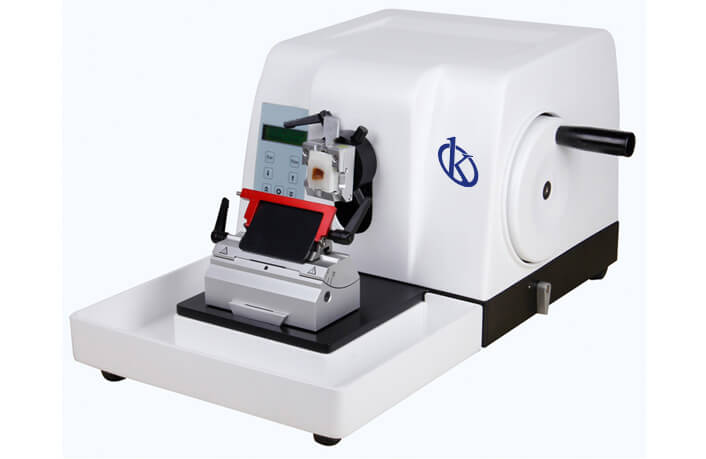
How to Interpret Results and Read Measurements with the YR416 Microtome
The semi-automatic rotary microtome YR416 is a versatile instrument designed for precision sectioning in pathology, medicine, and industry. Understanding how to interpret the results and readings of this microtome is essential for achieving accurate and reproducible outcomes. This guide will delve deeply into the features and functionalities of the YR416, offering practical insights for operators to enhance their proficiency in measuring and interpreting results.
Understanding the YR416 Microtome
The YR416 microtome is engineered for high performance and reliability, allowing for a broad range of section thicknesses from 0.25 μm to 60 μm. This sectioning range is divided into coarse and fine sectioning, enabling users to switch between these settings effortlessly. The stability and precision of this device make it suitable for various demanding applications, including paraffin sectioning.
Technical Specifications of the YR416
| Model | YR416 |
|---|---|
| Minimum Cutting Thickness | 0.25 μm |
| Horizontal Feed | 28 mm |
| Vertical Sample Stroke | 52 mm |
| Sample Holder Rotation | 360 degrees |
| Blade Holder Base Movement Range | 0-60 mm (forwards and backwards) |
| Blade Press Plate Movement Range | 0-23 mm |
| Sample Clamp Rotation | 360 degrees |
| Sample Orientation | XY-8° |
| Maximum Sample Size | 50 × 70 mm |
| Precision Error | ±1% |
| Working Voltage | AC 220V±10% 50Hz (standard model); AC 110V±10% 60Hz |
| Power | 100W |
| Dimensions | 580 × 410 × 305 mm (Width × Depth × Height) |
| Net Weight | 29 kg |
Interpreting Measurements from the YR416
To achieve accurate results from the YR416, users must understand how to interpret measurements. The display on the microtome will show the thickness of the sections being cut, which can be adjusted based on the requirements of the sample. Operators should become familiar with the measurement units and how they relate to sample quality and analysis.
Additionally, recognizing the potential error margins (±1%) is vital. Users should ensure that their sectioning technique minimizes variability, leading to more reliable results. Regular calibration and maintenance of the YR416 are essential for maintaining measurement accuracy over time.
Common Misinterpretations and Their Solutions
Even experienced operators may misinterpret results when using the YR416. Here are some common misinterpretations:
- Misunderstanding Thickness Settings: Operators may confuse the coarse and fine section settings. It’s crucial to select the appropriate mode based on the desired thickness.
- Overlooking Precision Errors: Not accounting for the specified precision error can lead to discrepancies in results. Always consider this when analyzing measurements.
- Improper Sample Orientation: Incorrect sample alignment can affect the quality of the sections. Ensure proper orientation before commencing sectioning.
Addressing these misinterpretations involves proper training and practice with the microtome's features and settings.
Best Practices for Reading and Recording Measurements
Accurate reading and recording of measurements from the YR416 are paramount. Here are some best practices:
- Use Consistent Measurement Units: Stick to the same unit of measurement throughout your processes. This consistency helps prevent confusion and errors.
- Document Settings: Record the settings used for each section cut, including thickness and mode. This documentation aids in replicating successful results in future operations.
- Review Section Quality: After cutting, examine sections for uniformity. Variations may indicate issues that need to be addressed.
By adhering to these best practices, operators can enhance the reliability of their results from the YR416 microtome.
Frequently Asked Questions
What is the optimal thickness setting for the YR416 microtome?
The optimal thickness setting depends on the requirements of your specific sample type. Typically, finer sections (0.25 μm) are ideal for histological studies, while thicker sections (up to 60 μm) can be used for other applications.
How do I ensure measurement accuracy with the YR416?
To ensure measurement accuracy, regularly calibrate your YR416 microtome, maintain the blade sharpness, and correctly align the samples before sectioning.
What should I do if my sections are uneven?
If your sections are uneven, check the sample alignment and ensure that the blade is properly installed and sharp. Also, verify that the thickness setting is correct.
Can the YR416 handle different types of samples?
Yes, the YR416 microtome is designed to handle a variety of sample types, including paraffin-embedded tissues, making it versatile for different laboratory applications.
What maintenance is required for the YR416?
Routine maintenance for the YR416 includes cleaning the blade holder, checking the motor functions, and ensuring that all moving parts are lubricated properly. Regular checks will prolong the lifespan of the microtome.
Where can I find replacement parts for the YR416?
Replacement parts and compatible accessories for the YR416 can typically be sourced from the manufacturer or authorized distributors specializing in laboratory equipment.
How do I request a quote for the YR416?
You can request a quote for the YR416 by contacting the manufacturer or authorized distributor directly. Provide details about your requirements and they will assist you accordingly.
If you are looking for a fusion of innovation and quality, you have come to the right place. At Kalstein, we offer you the luxury of exploring our exclusive catalog of laboratory equipment. We manufacture every device to the highest standards of excellence. Our intuitive and seamless online purchasing channels are designed for your convenience, securing the most competitive prices. Hesitate no longer — we bring science to life, it is time to become part of our community.